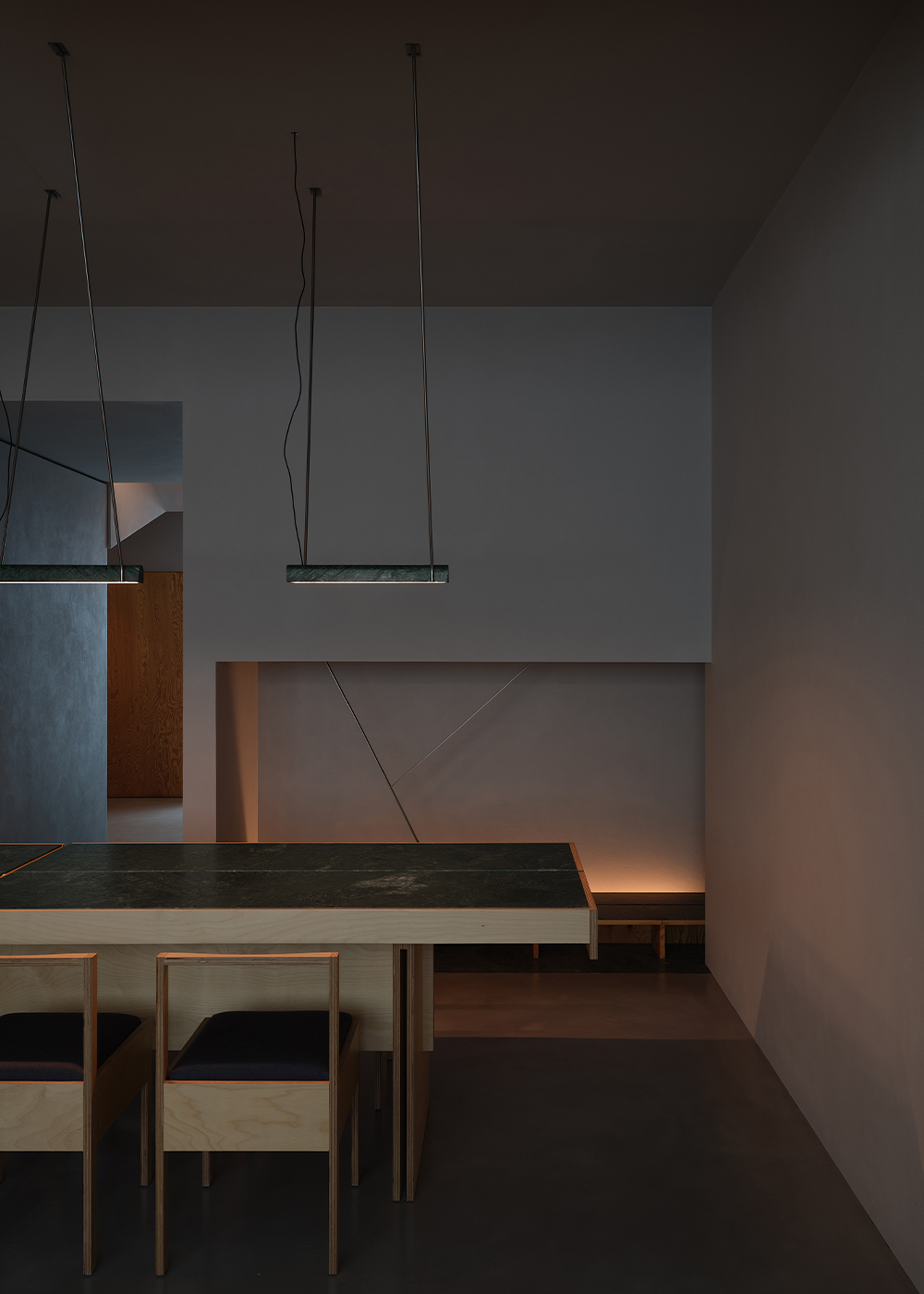
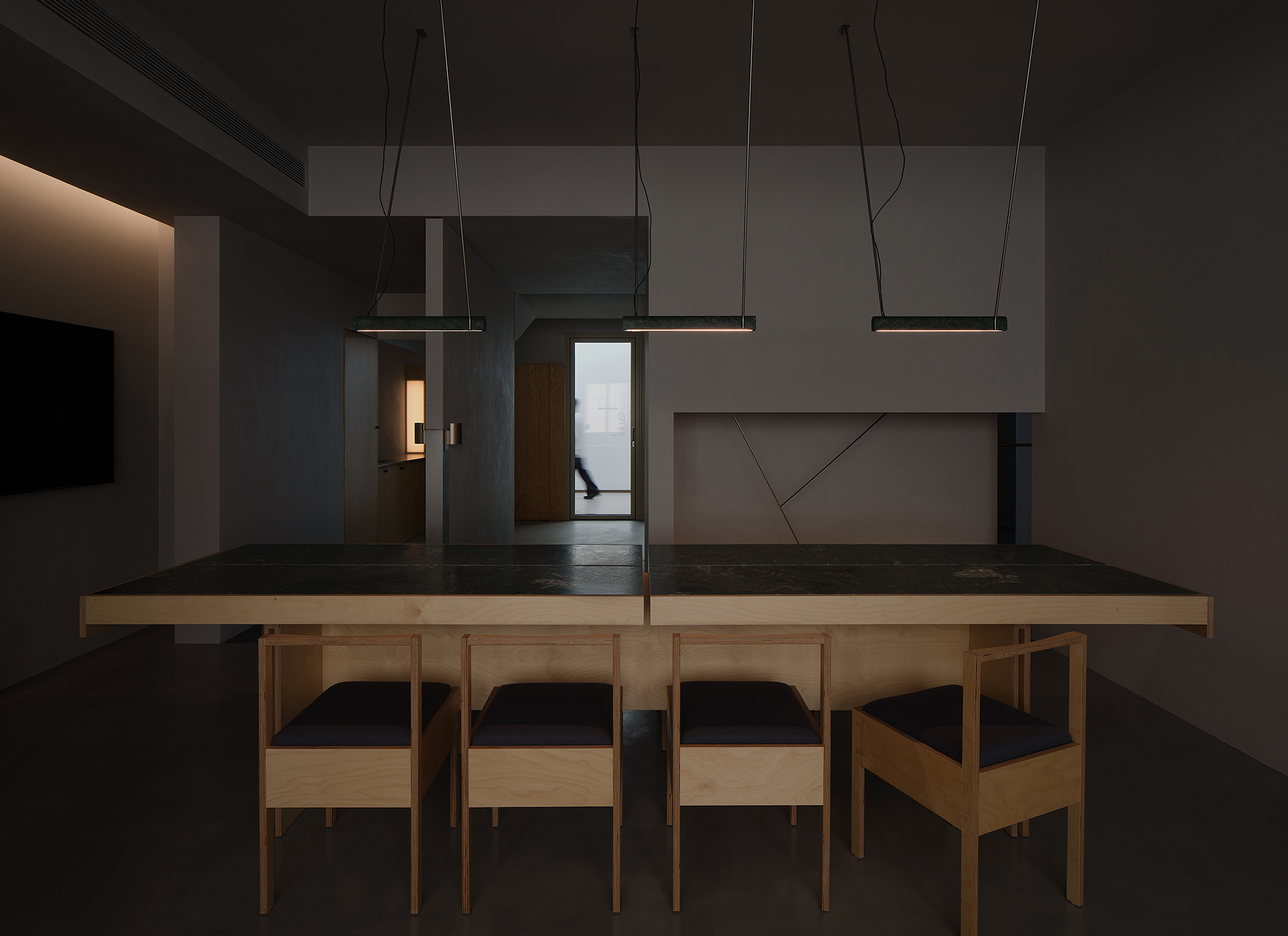
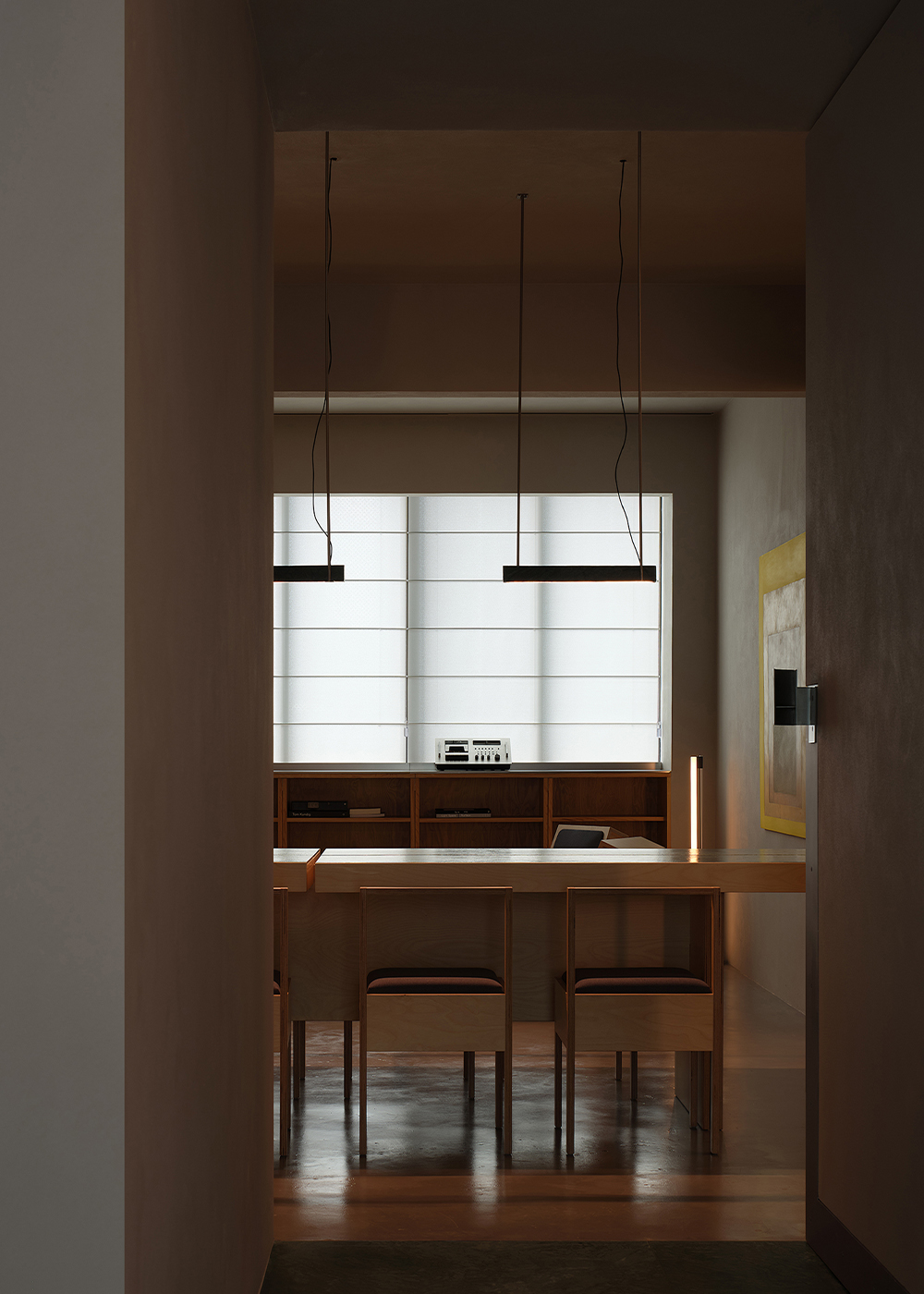
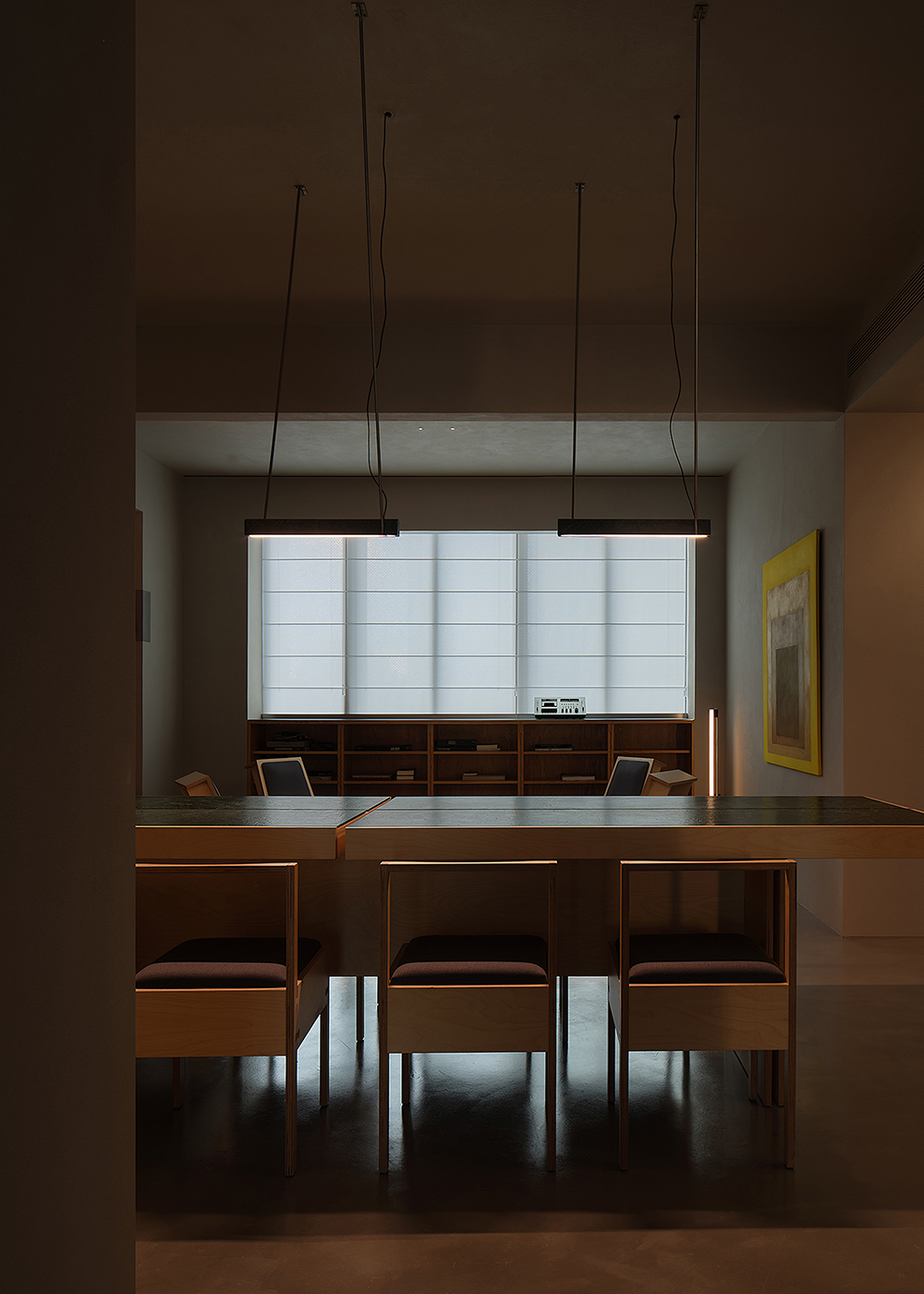
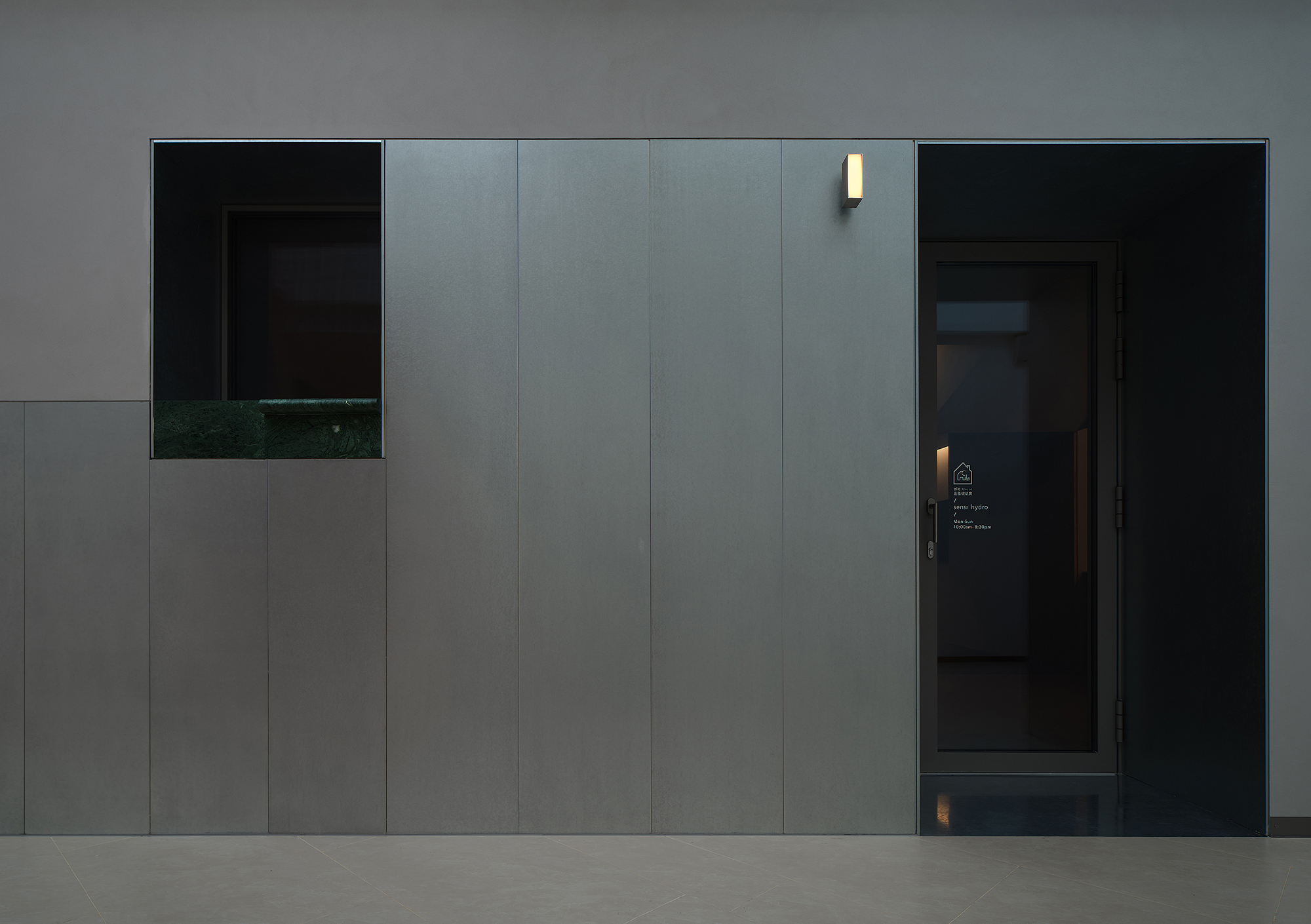
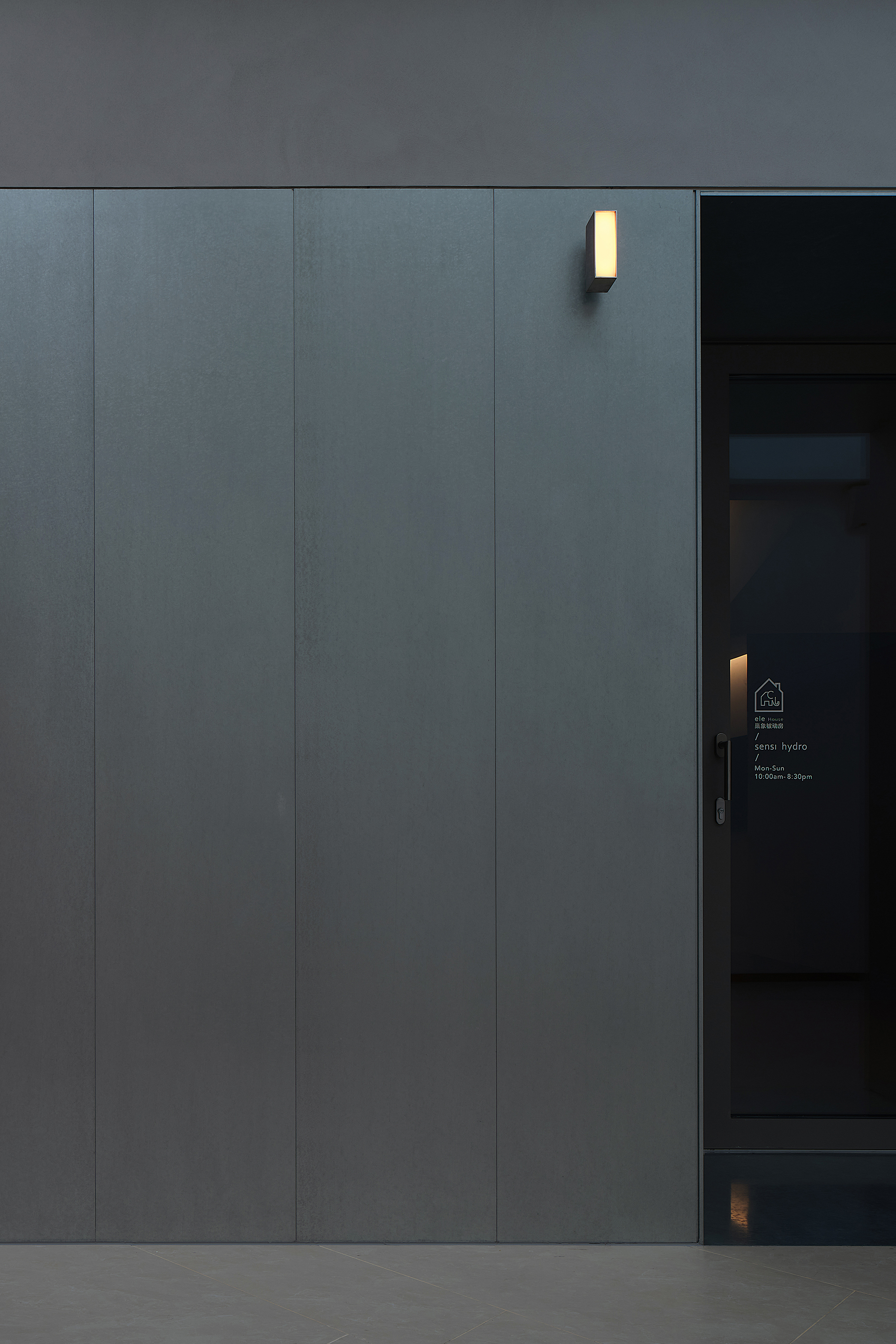
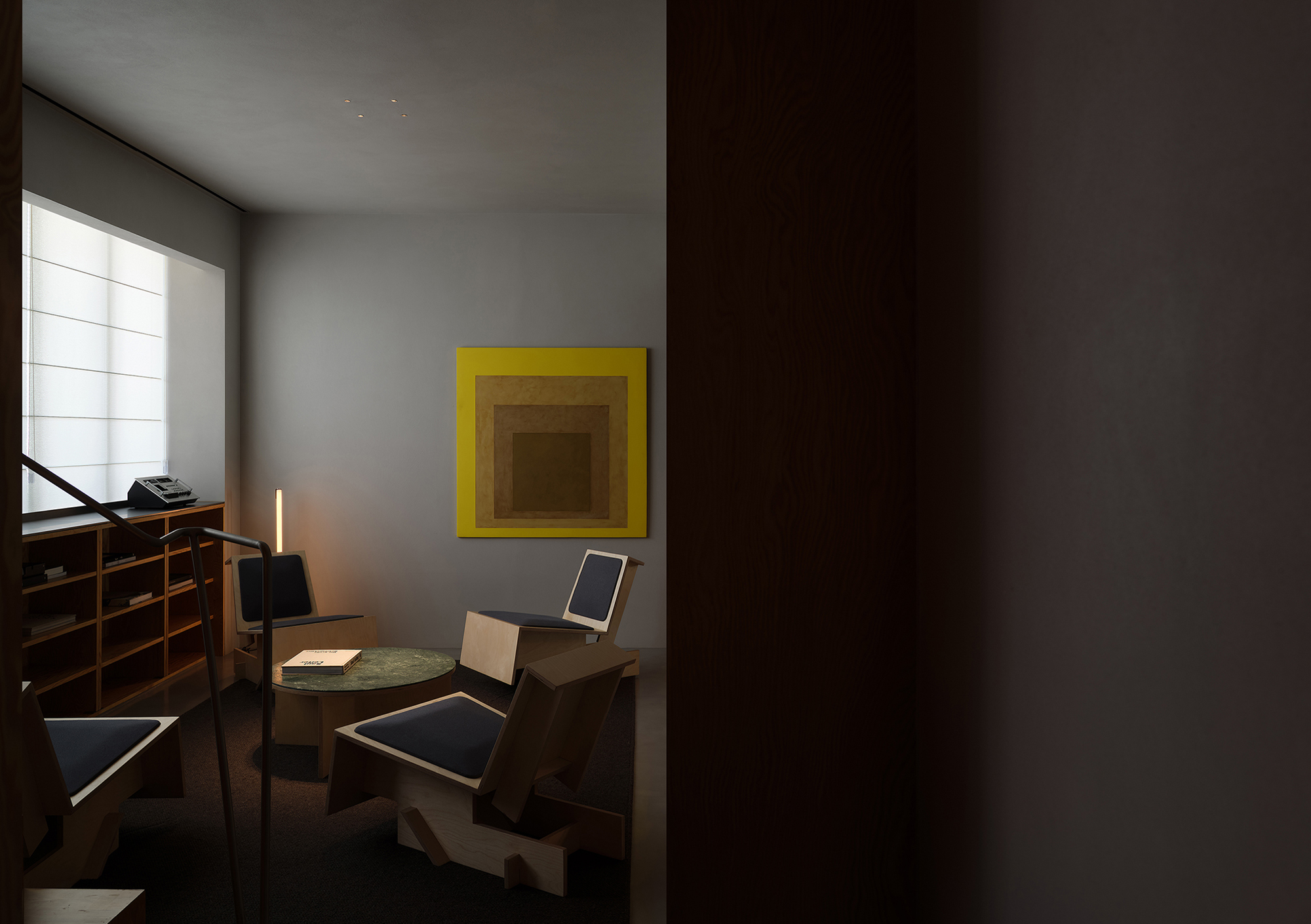
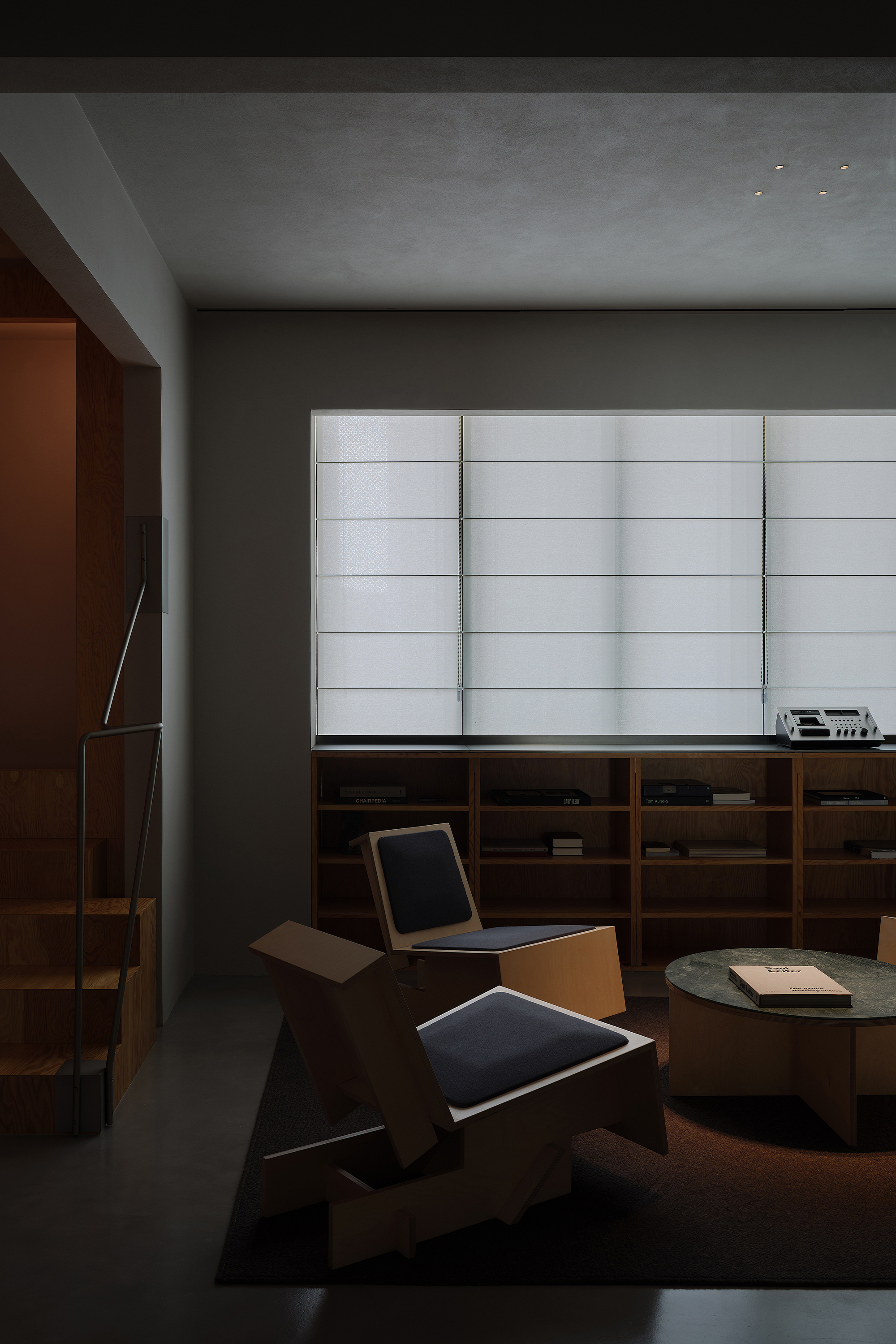
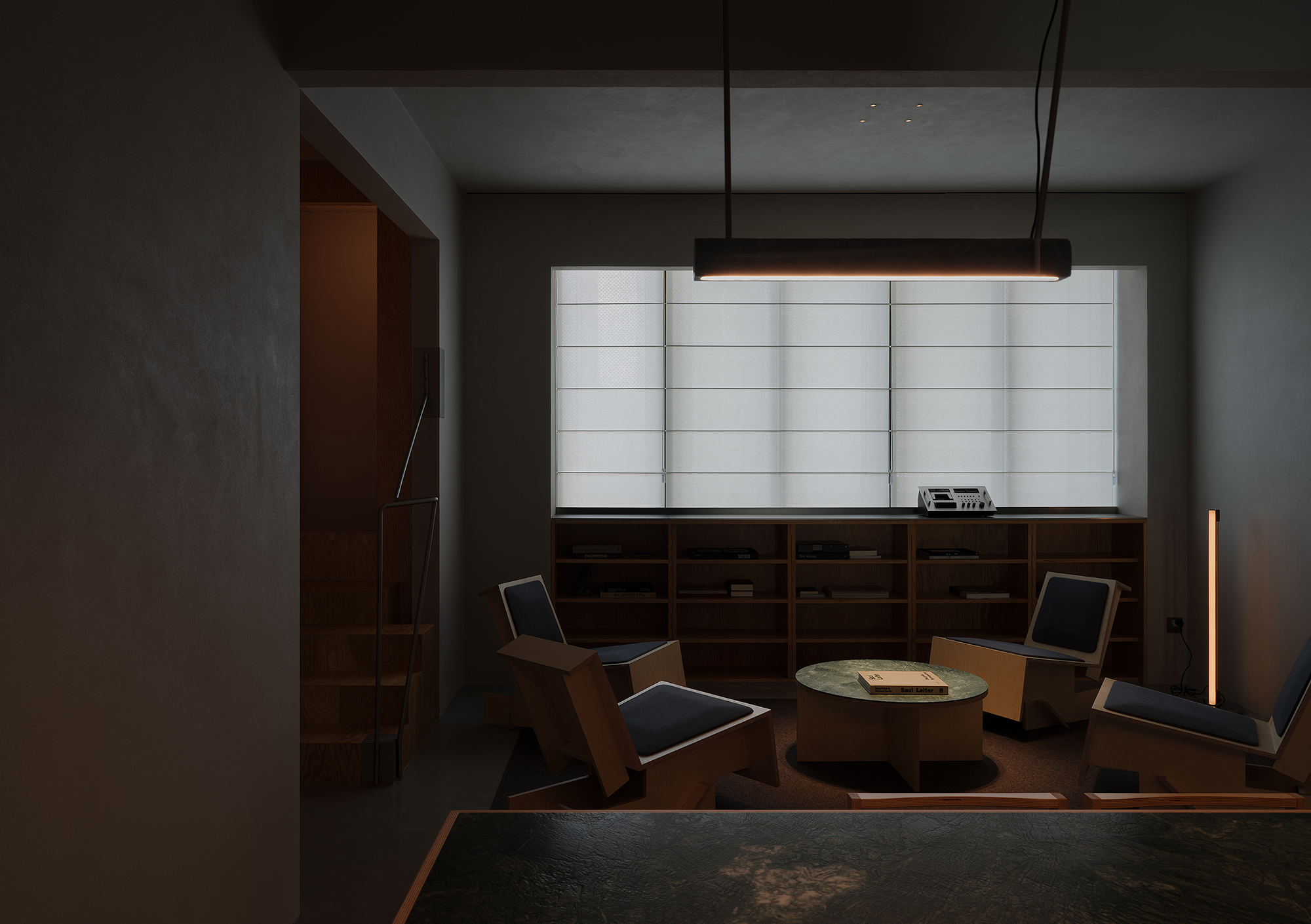
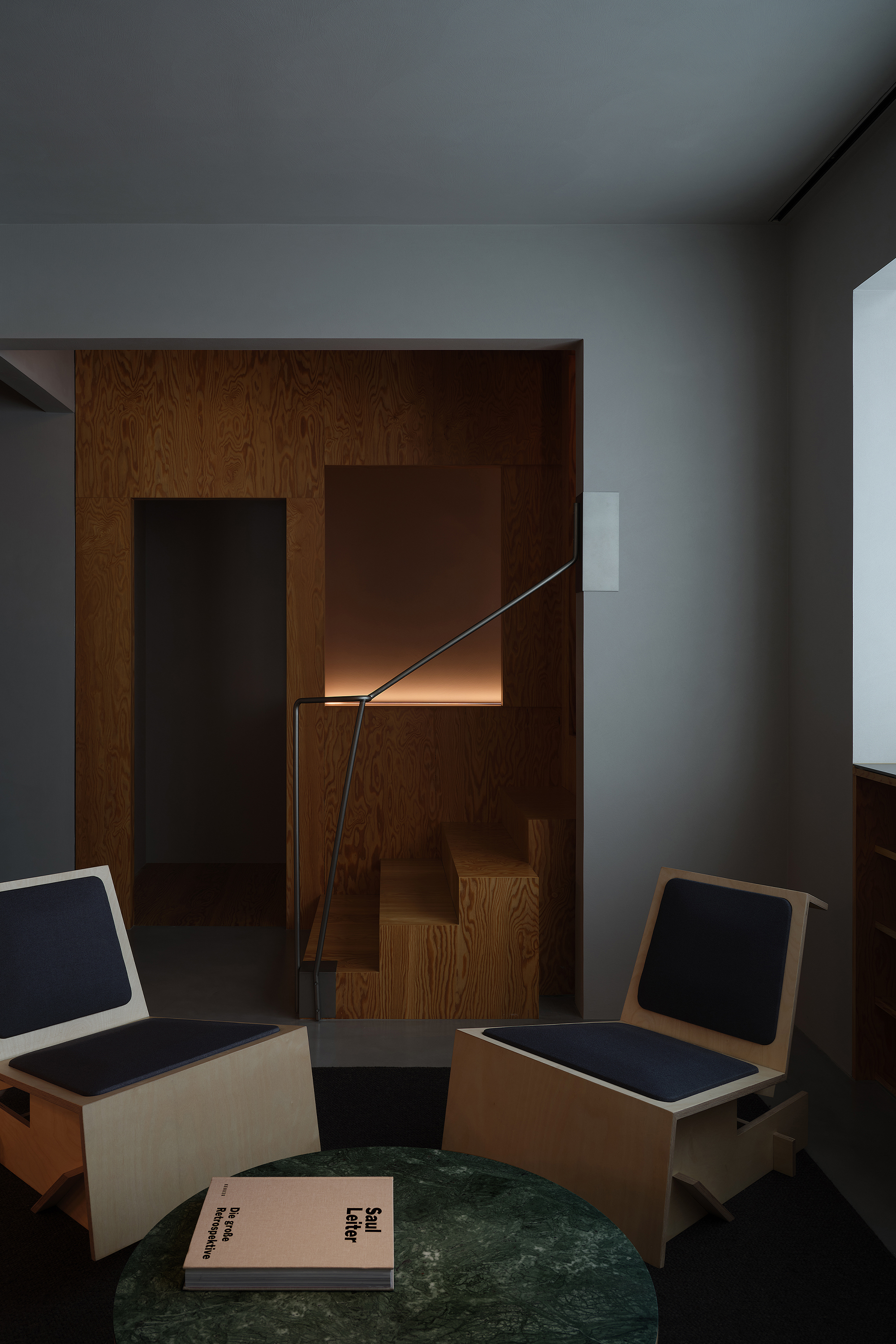
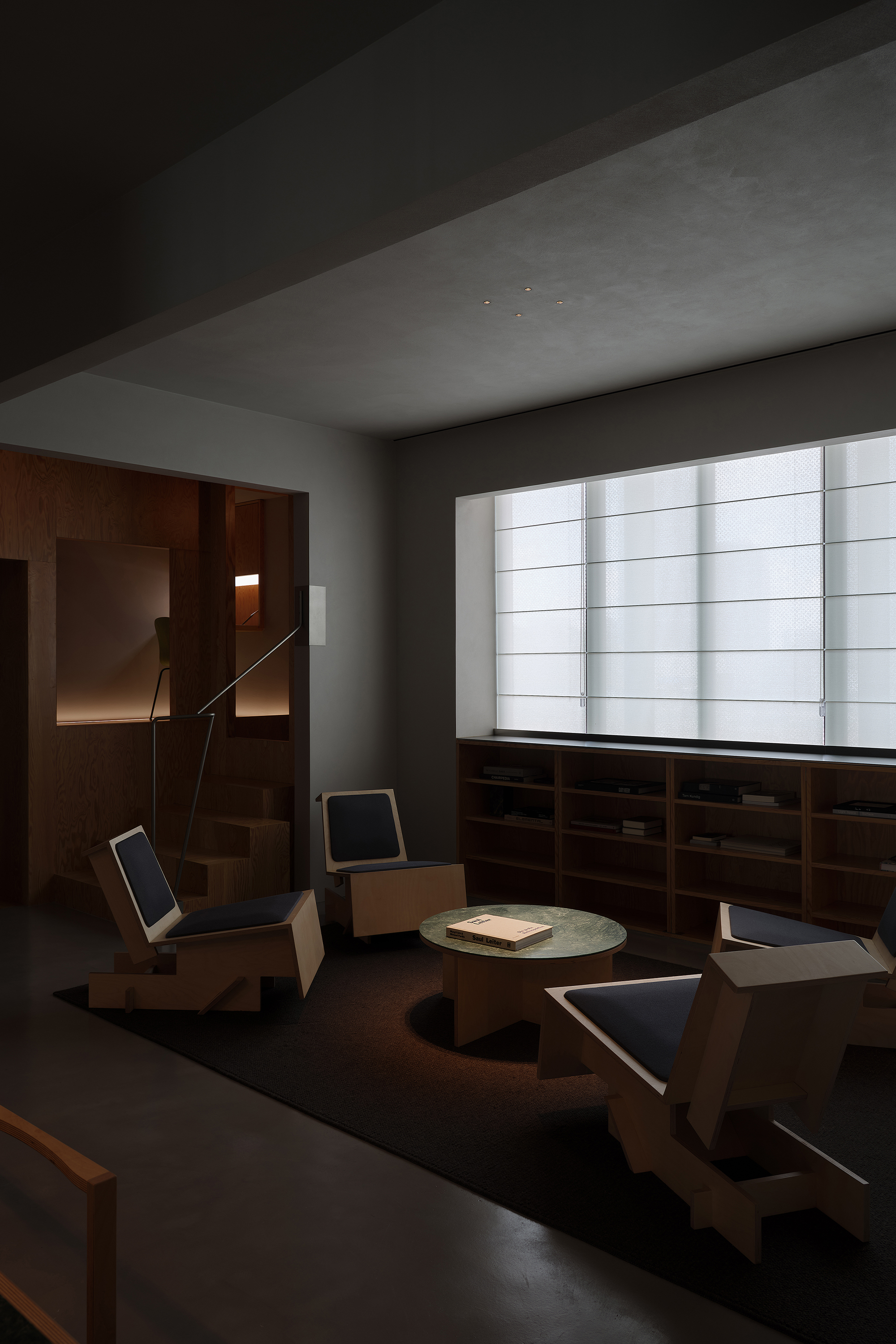
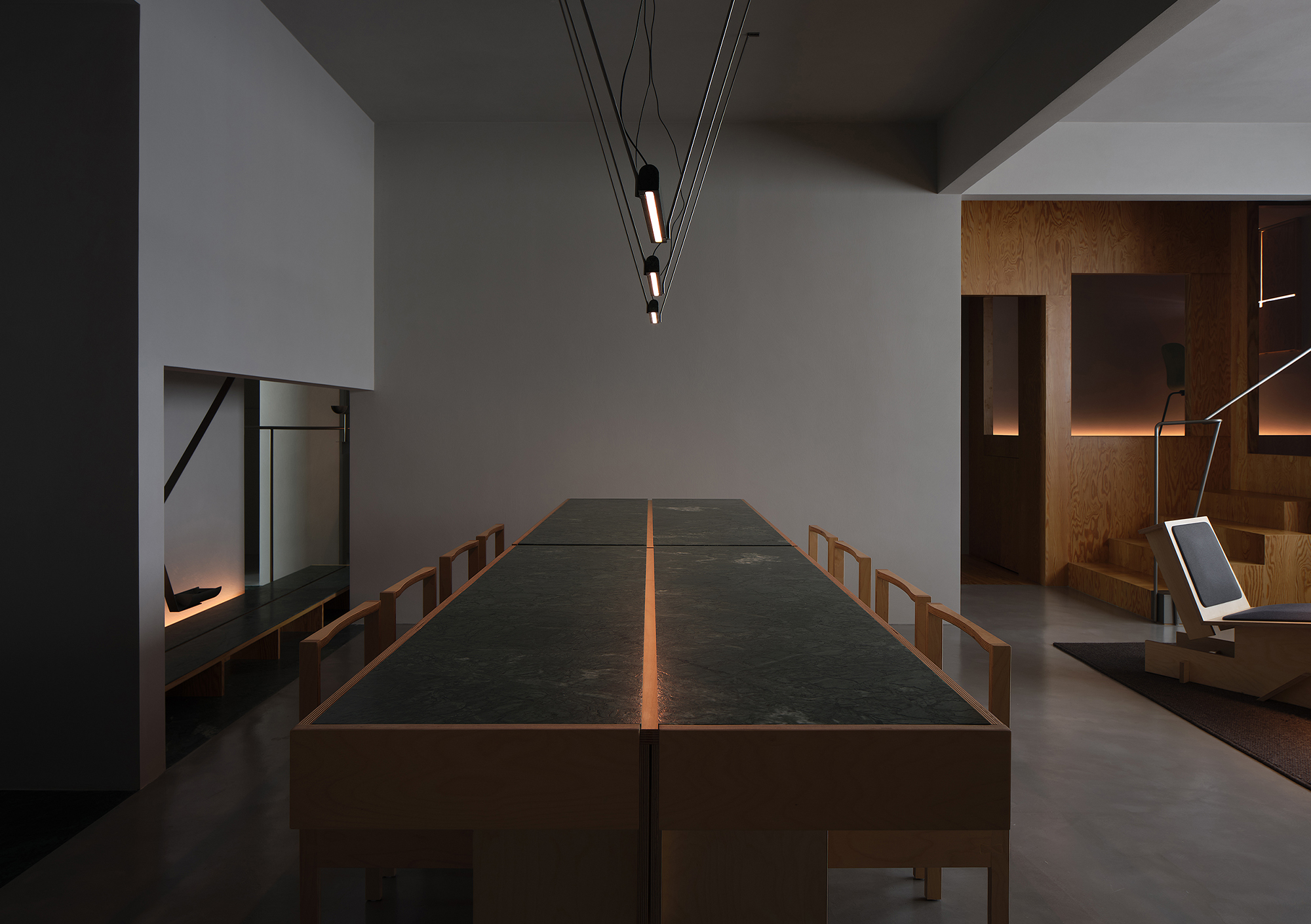
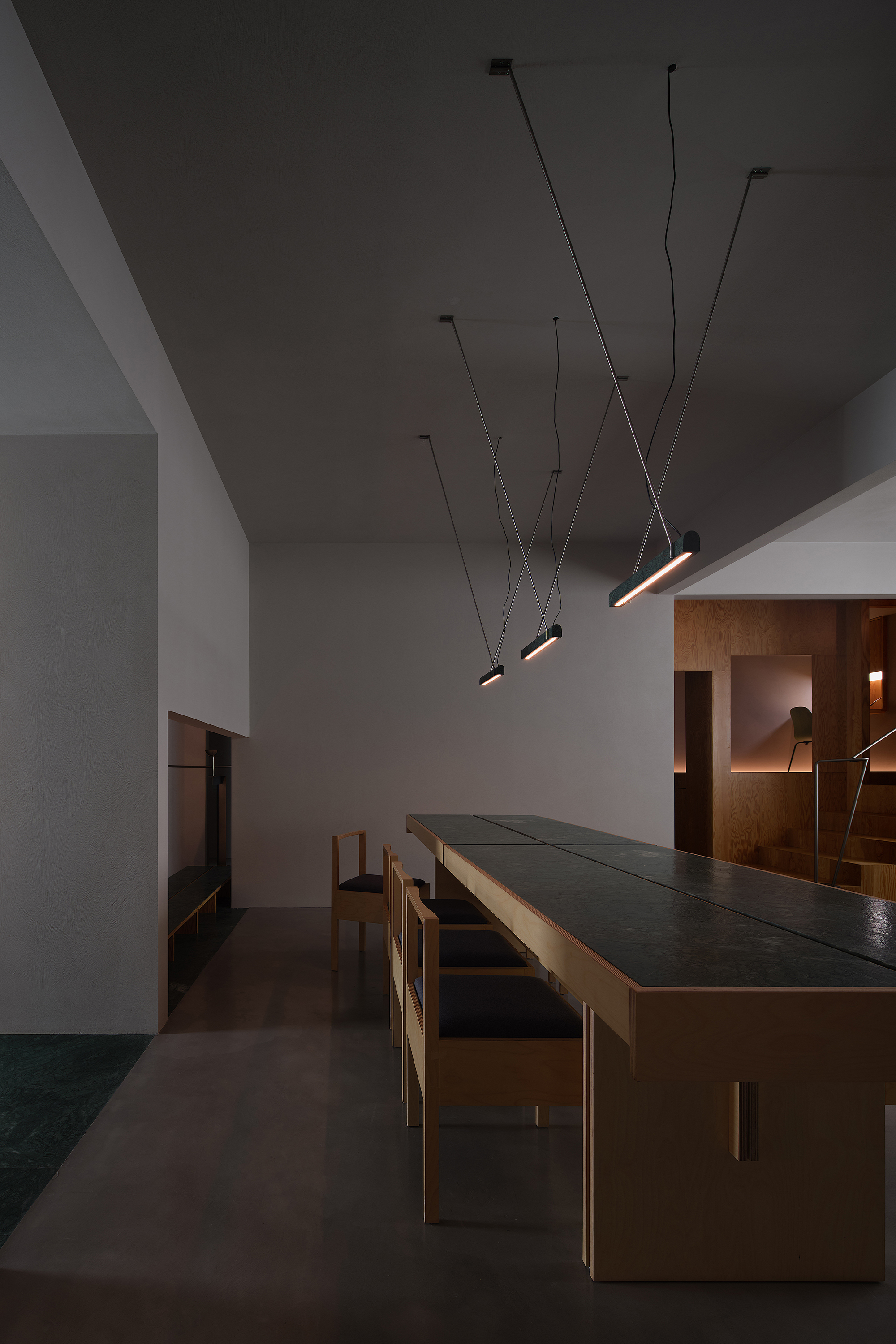
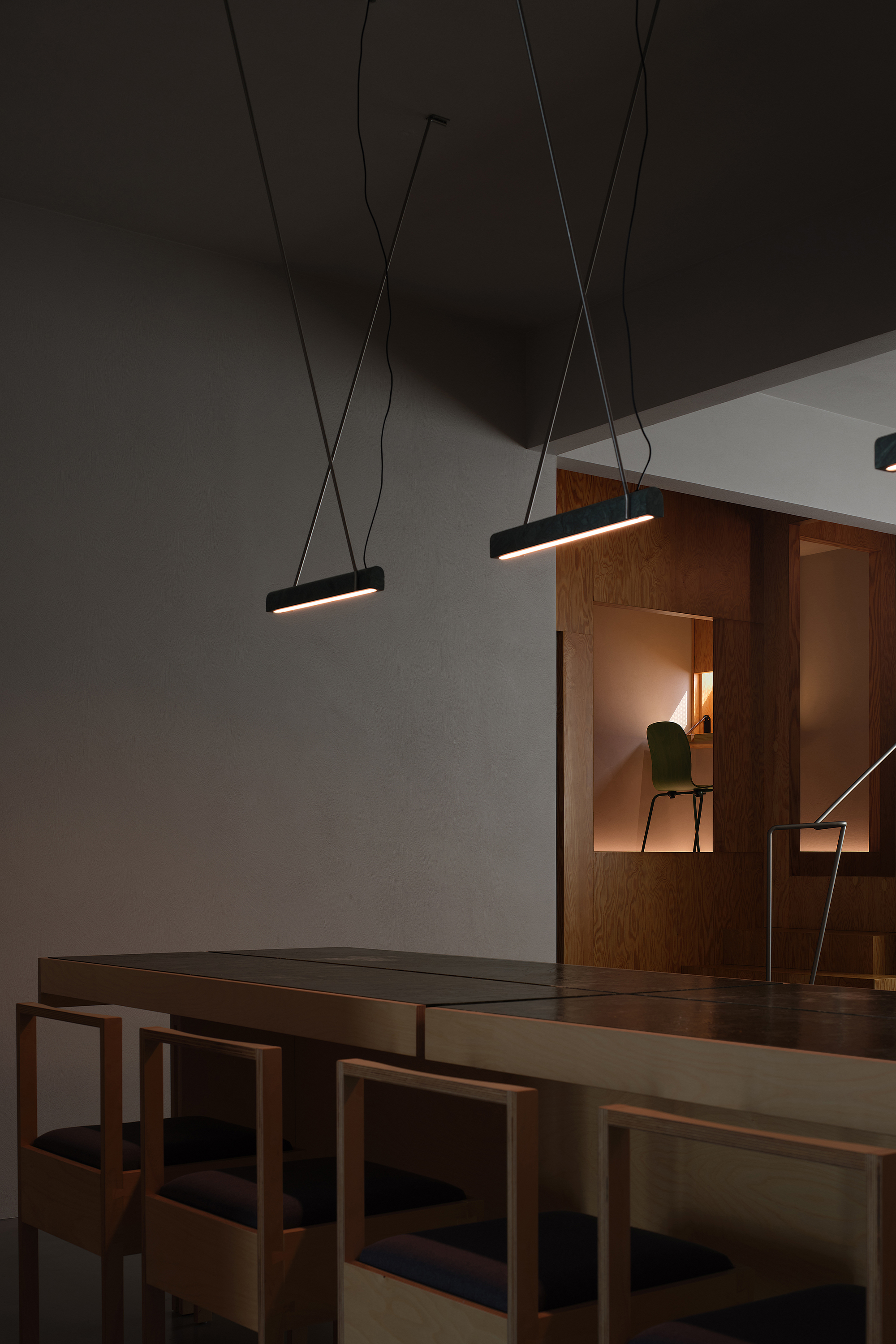
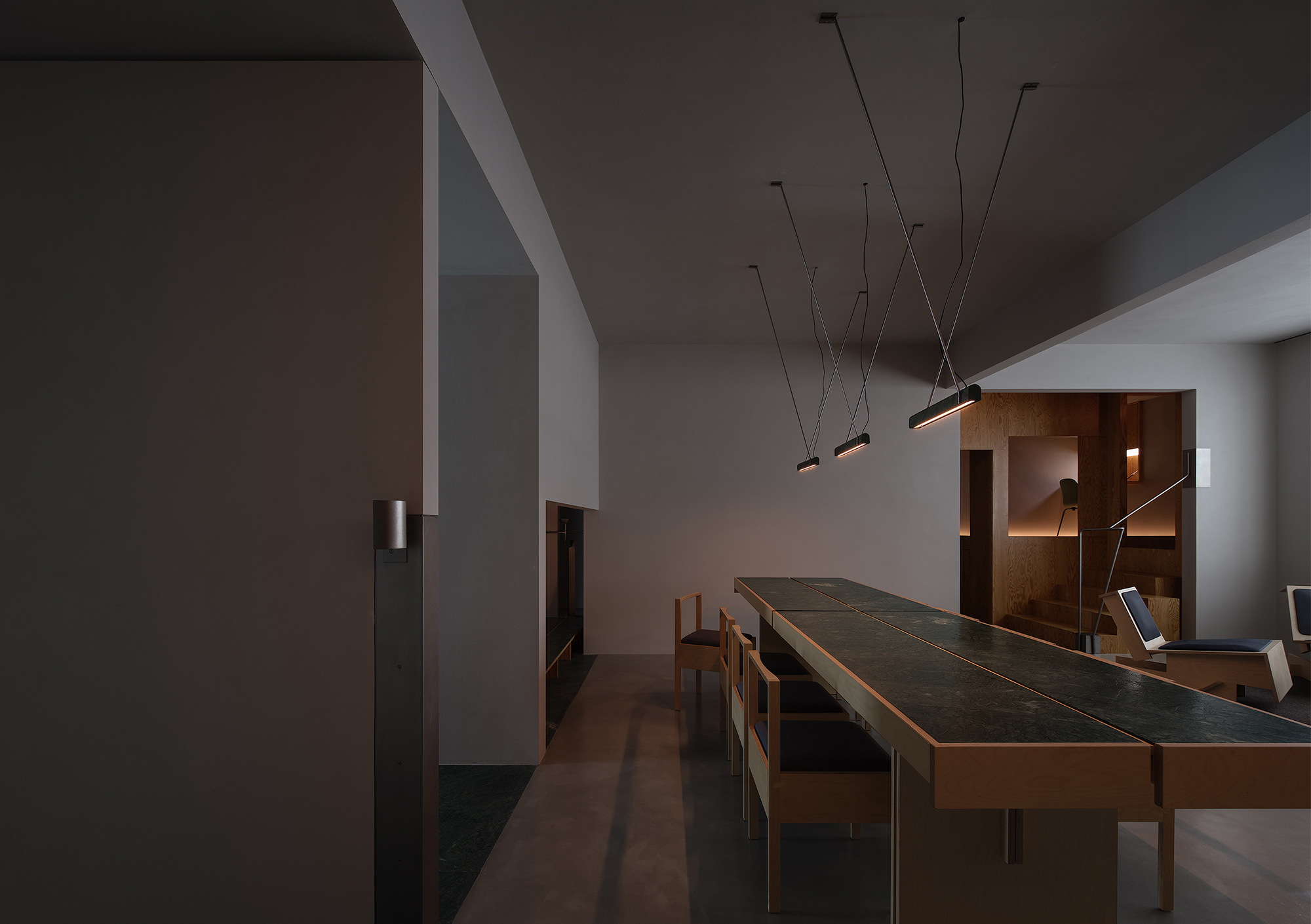
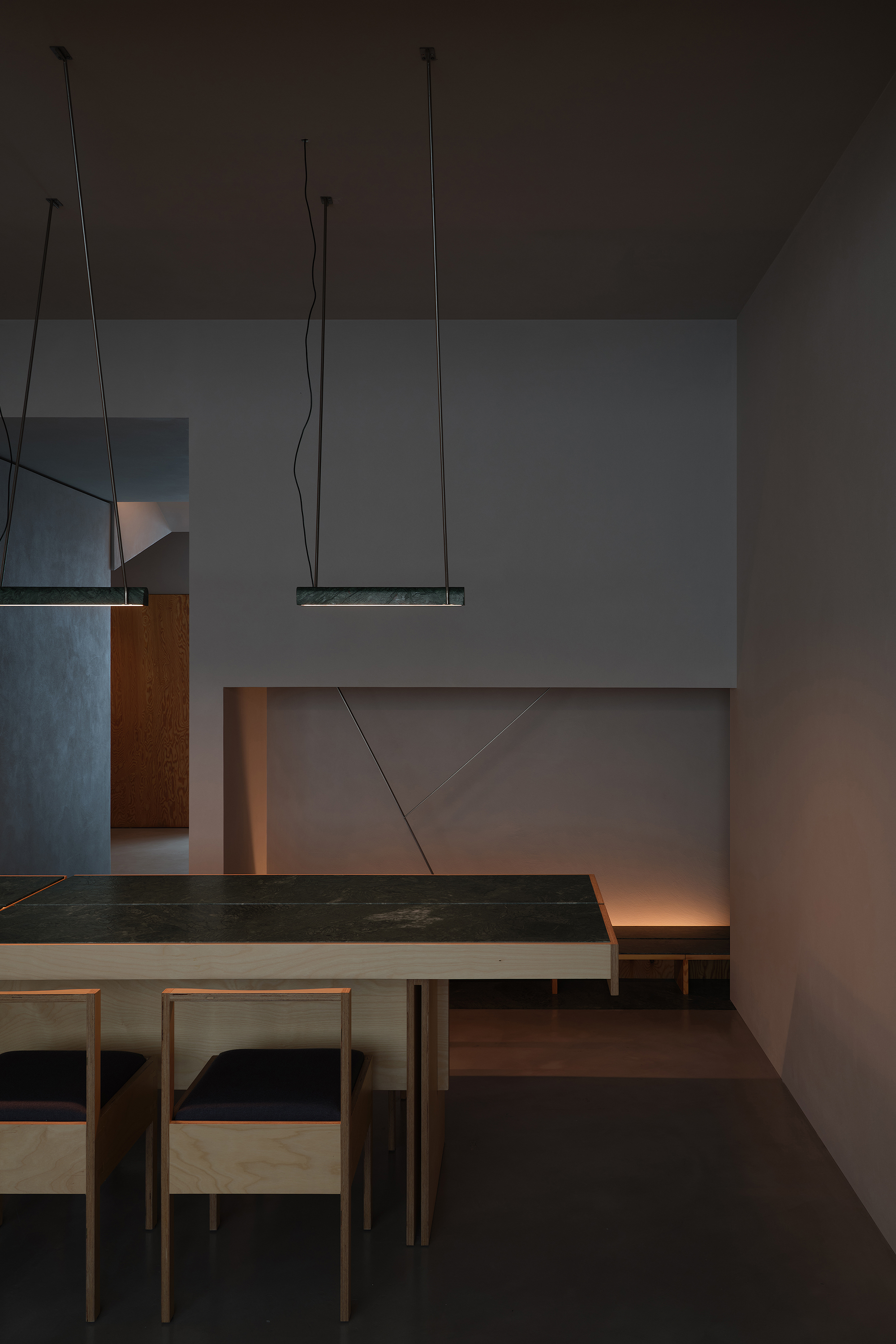
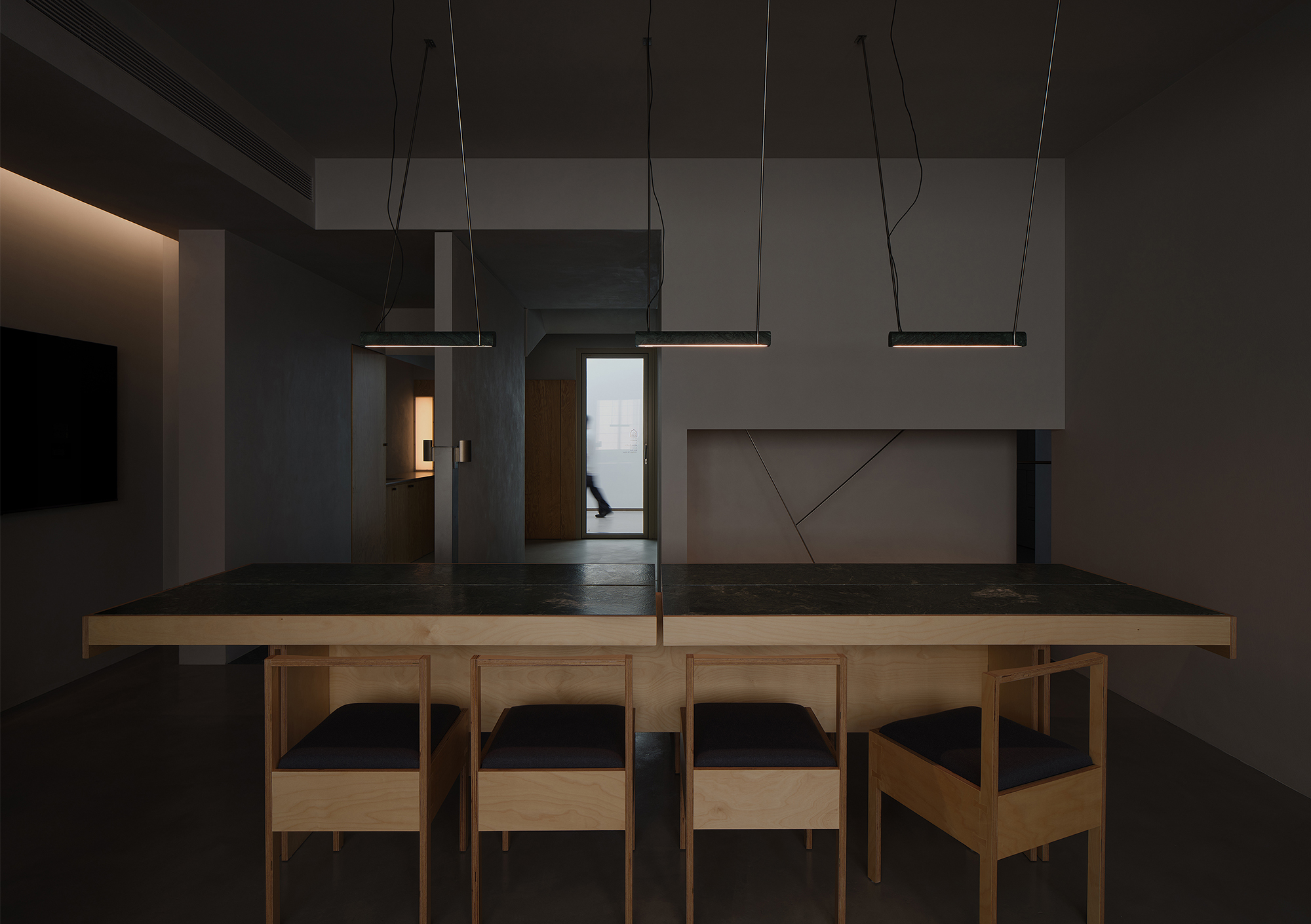
The Chao Xiang Passive House Guangzhou Experience Center located in the Luofu Palace Home Art Center in Guangzhou attempts to build a quiet sanctuary. It is not merely a display of cutting-edge architectural technology, but also an exploration of the essence of space and the perception of the body. Neither the designer nor the client agrees with the straightforward display of equipment and pipelines in traditional mechanical, electrical and HVAC exhibition halls. Instead, they take "experience first" as the core to create a living container that allows people to directly feel the comfortable environment brought by ultra-low energy consumption buildings.

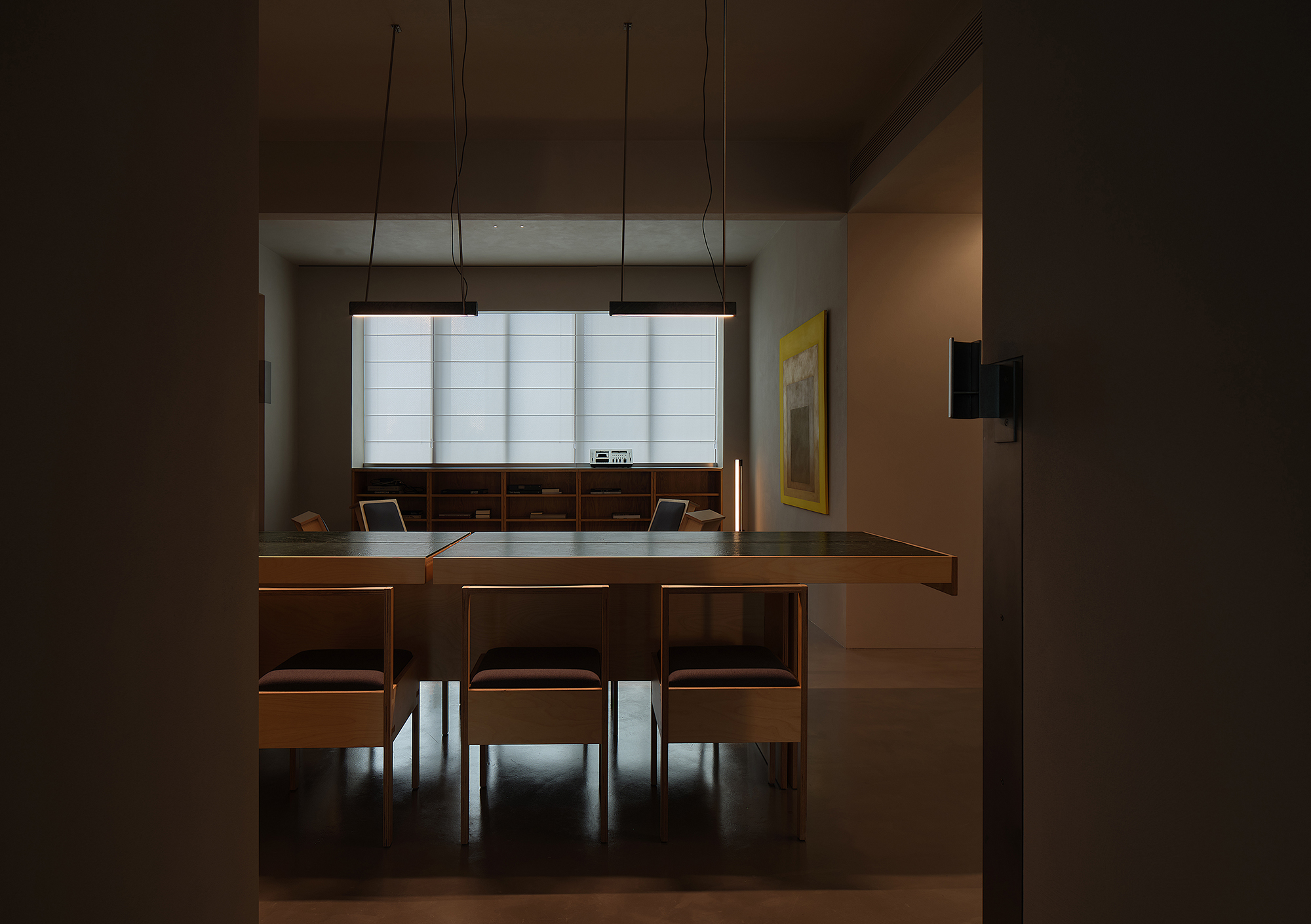
The core of the design is "governing by non-action". Designers believe that the most advanced technology is one that makes people oblivious to its existence. The five major systems of passive houses - high-performance insulation, airtightness, energy-saving doors and Windows, shading and fresh air heat recovery - are not cold exhibits here, but all retreat behind the space, becoming the silent "background" that operates. The responsibility of a designer is to transform the physical results achieved by these technologies - constant temperature, constant humidity, constant oxygen, and constant tranquility - into a comfortable experience that the human body can feel and perceive. Therefore, space is defined as an inclusive field: it can be a tea room, an office, a study, or any place that allows tranquility to occur. Everything people do here becomes the experience of comfort itself.

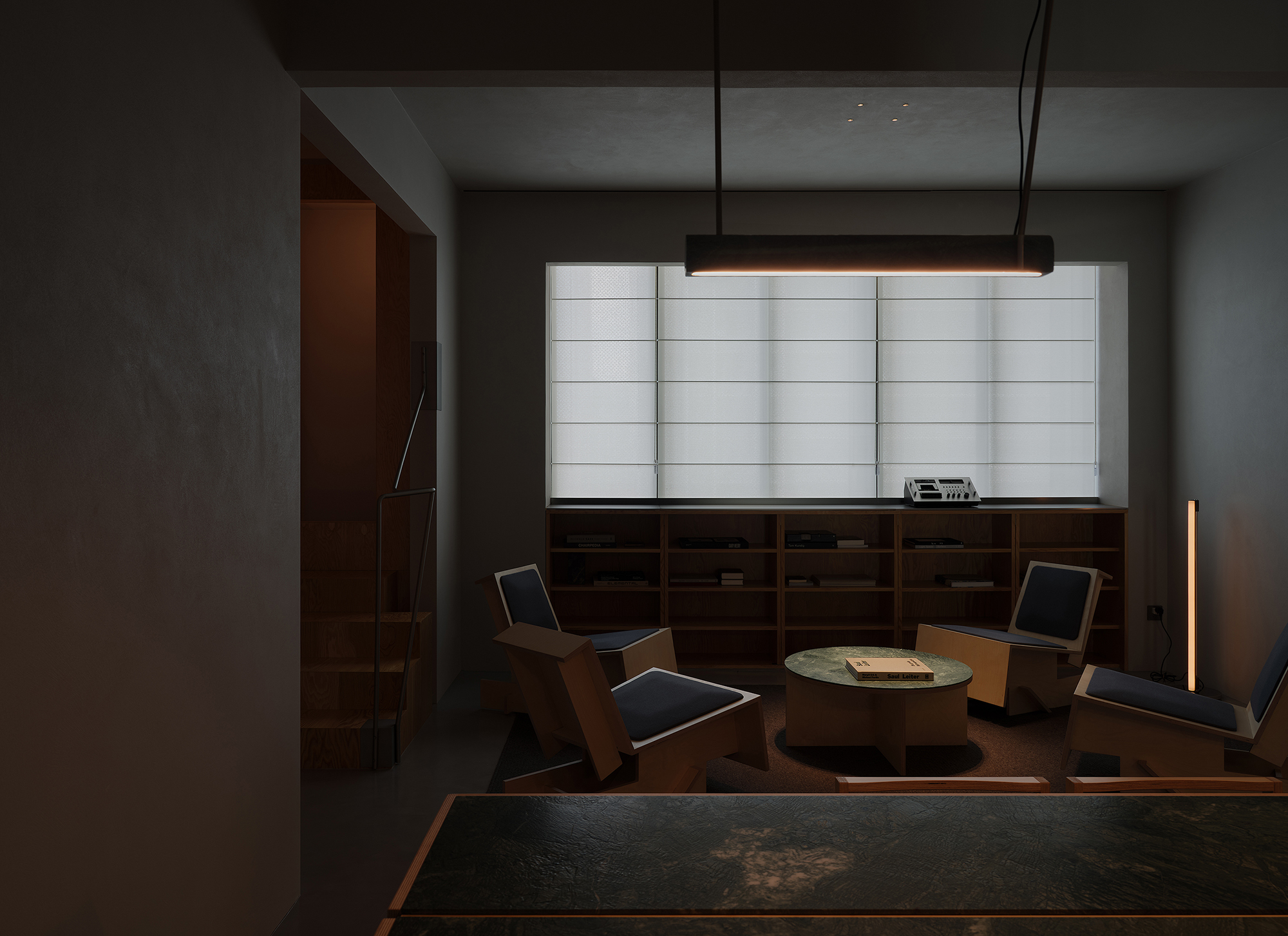
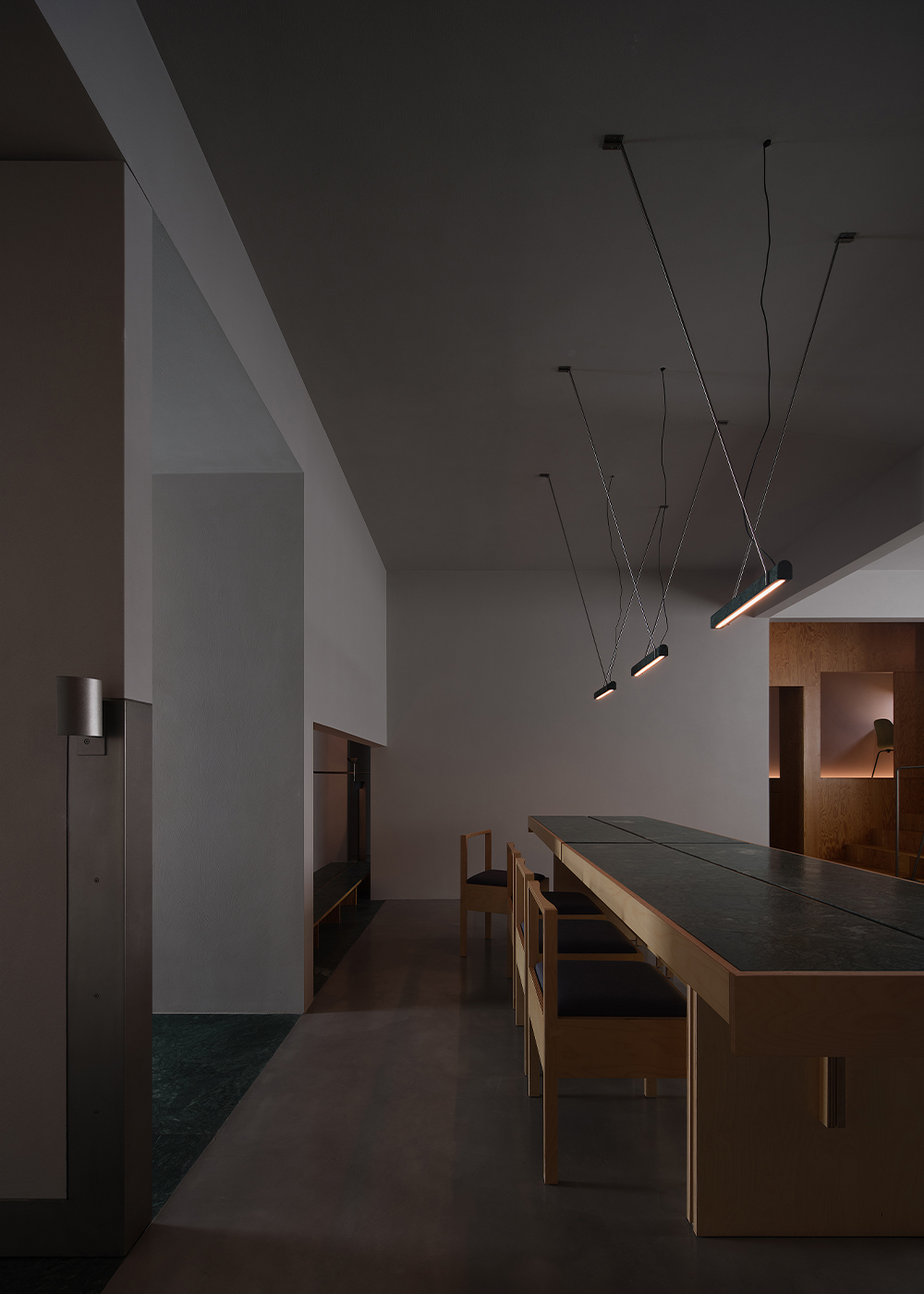
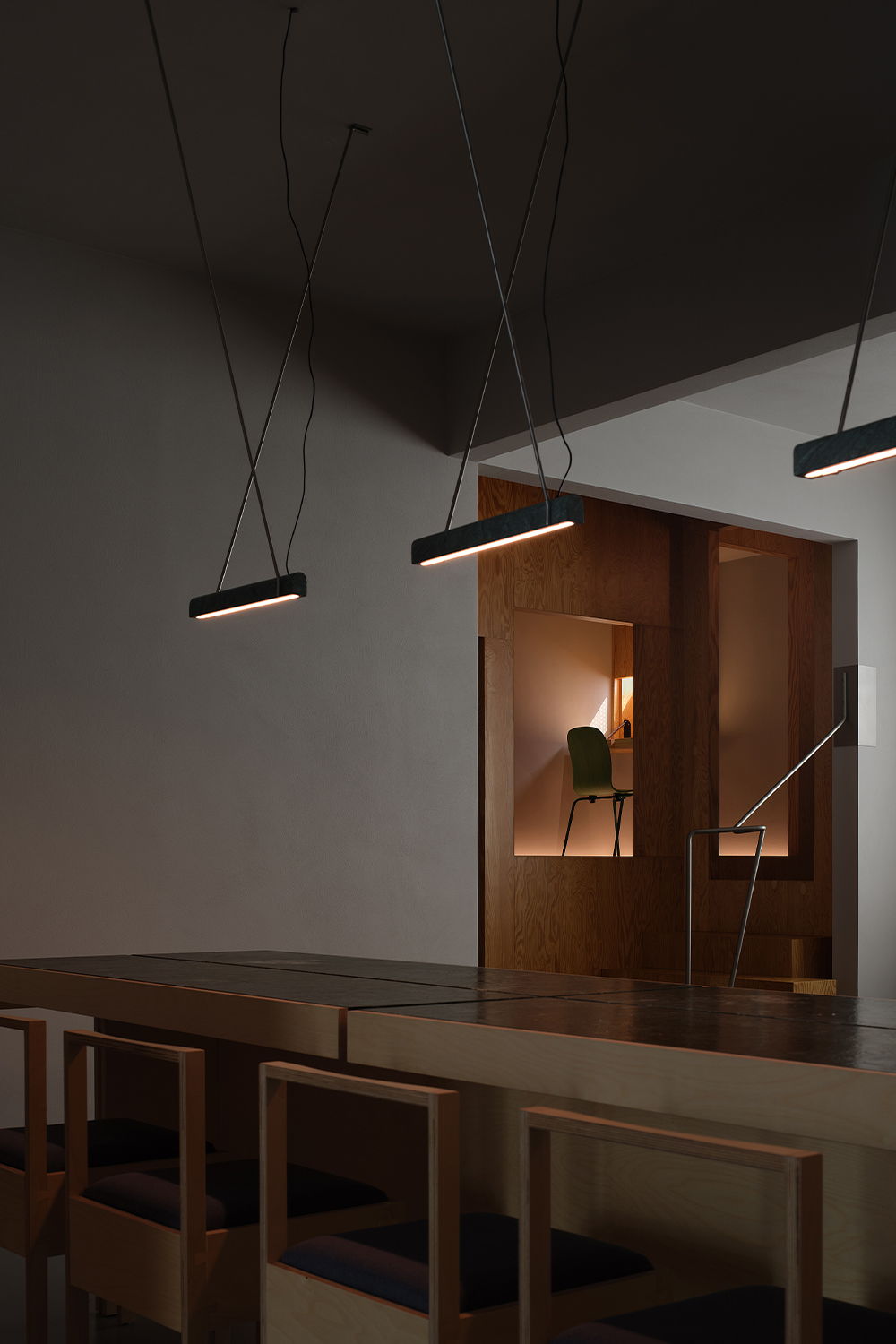
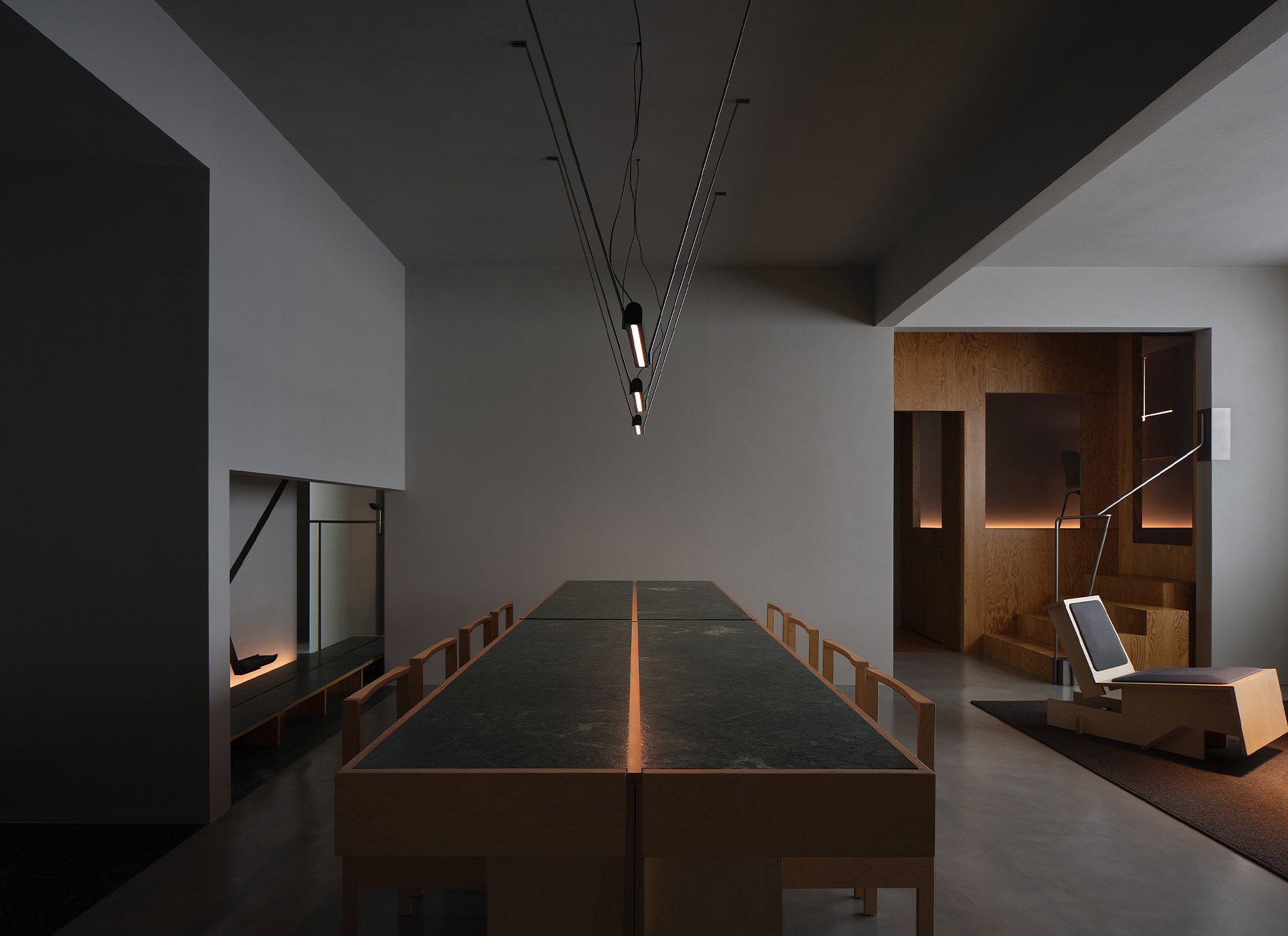
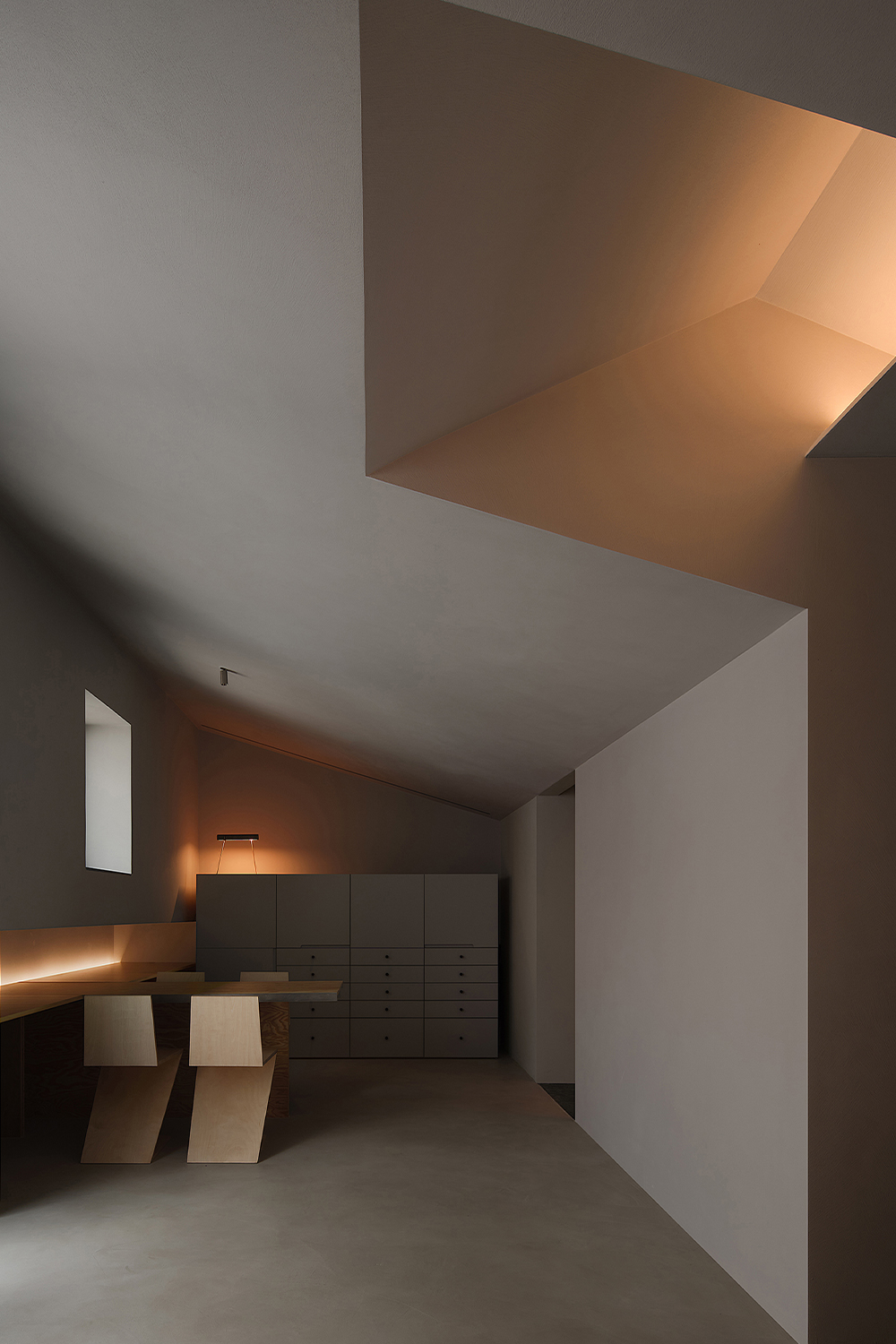
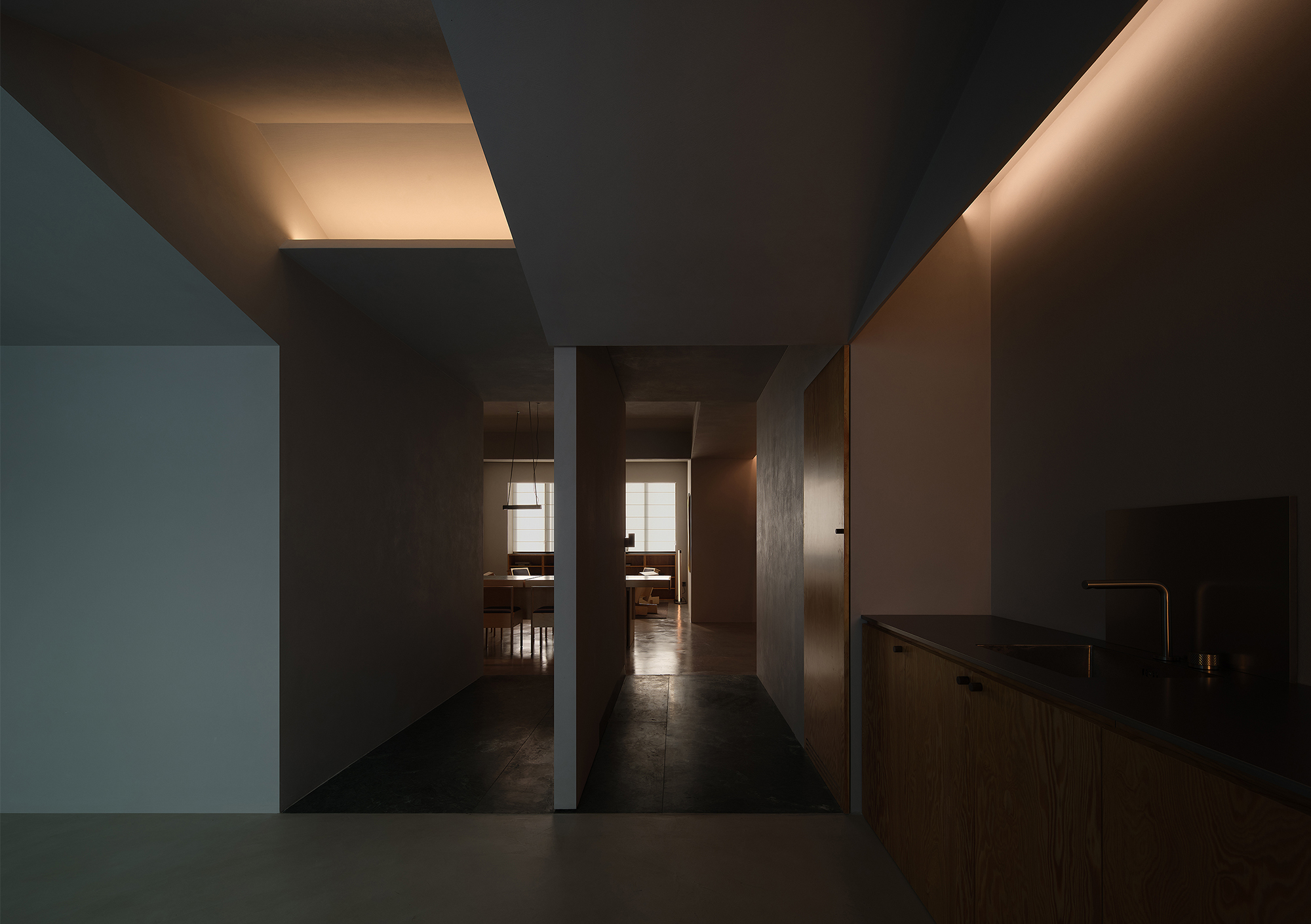
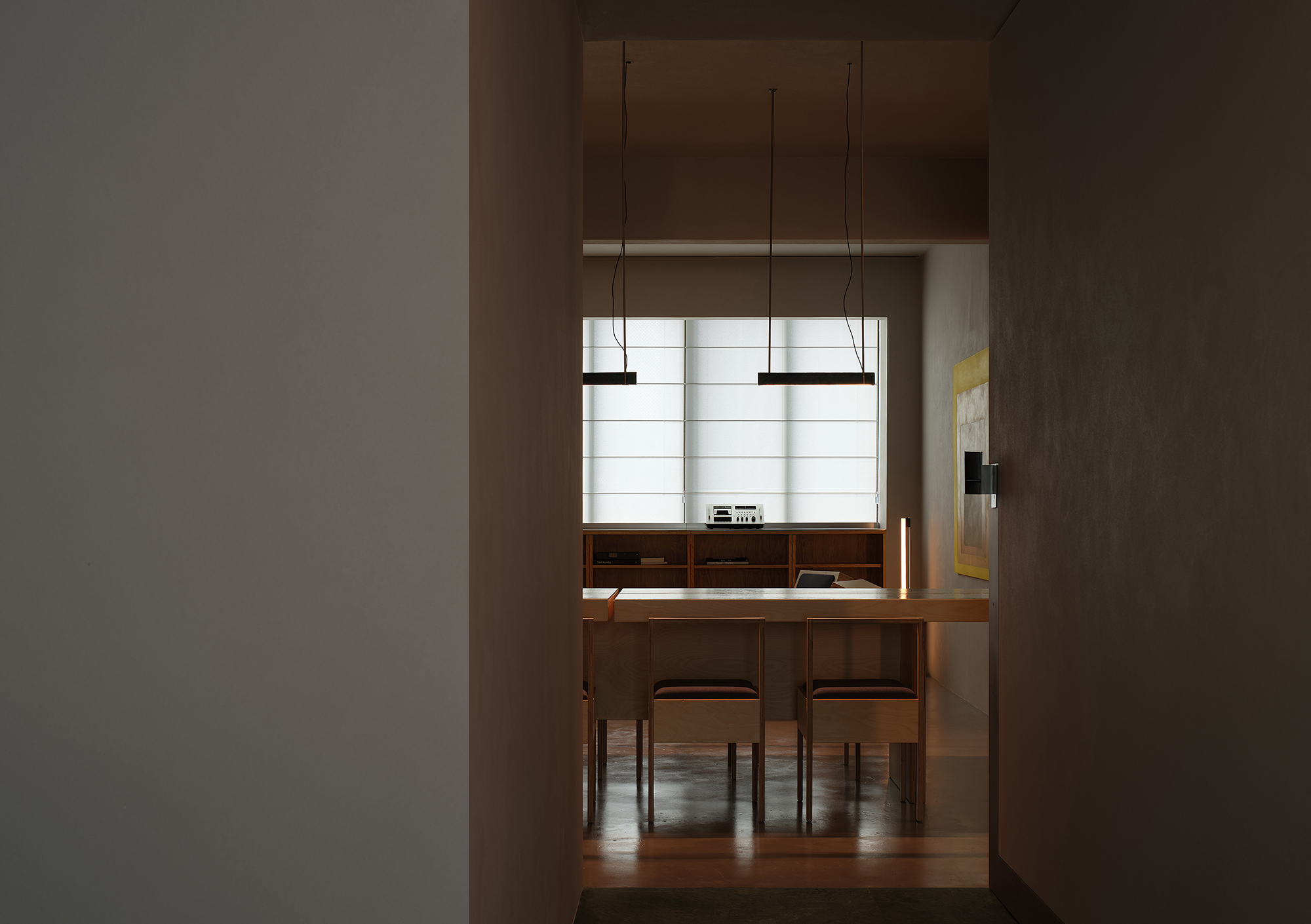
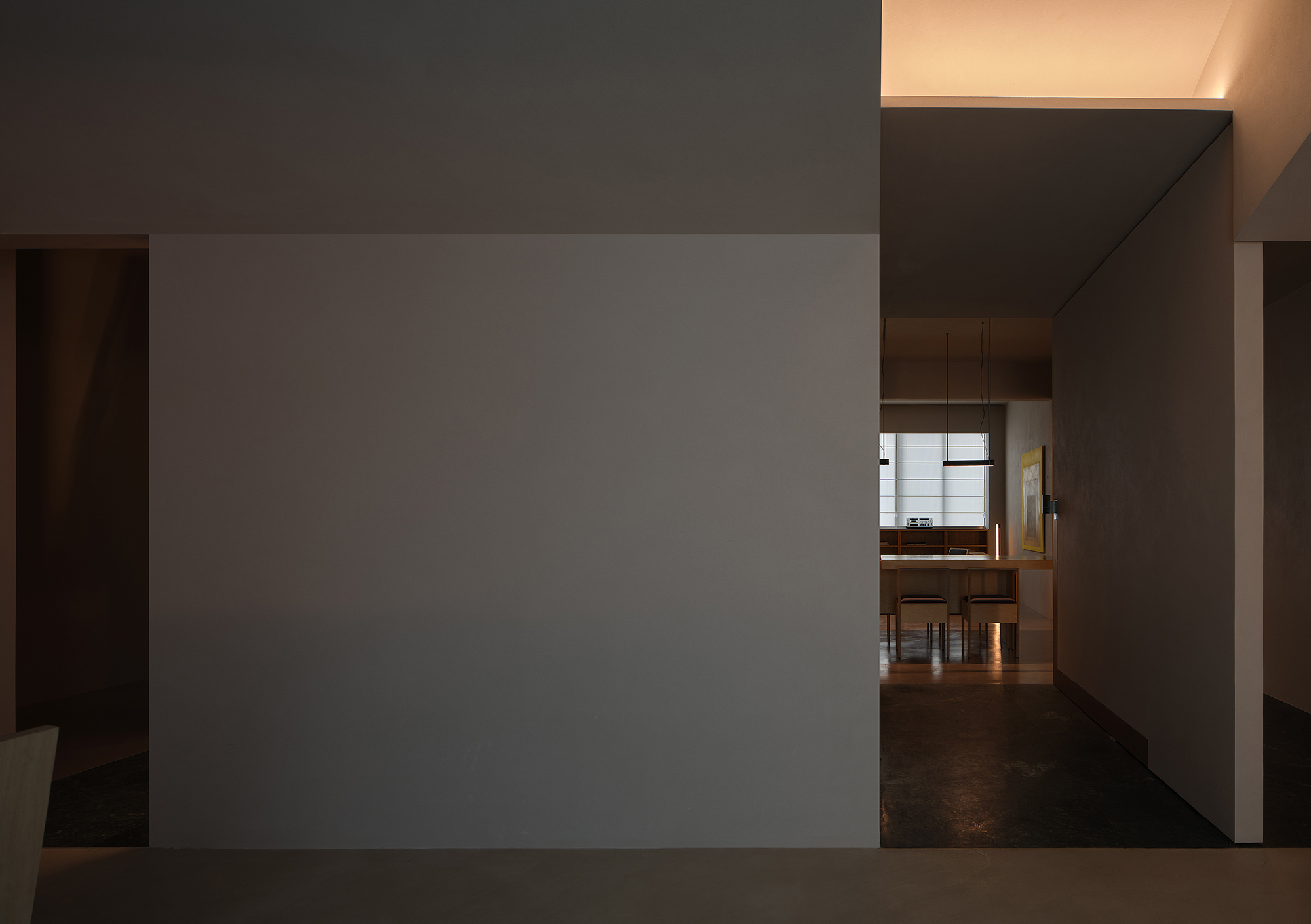
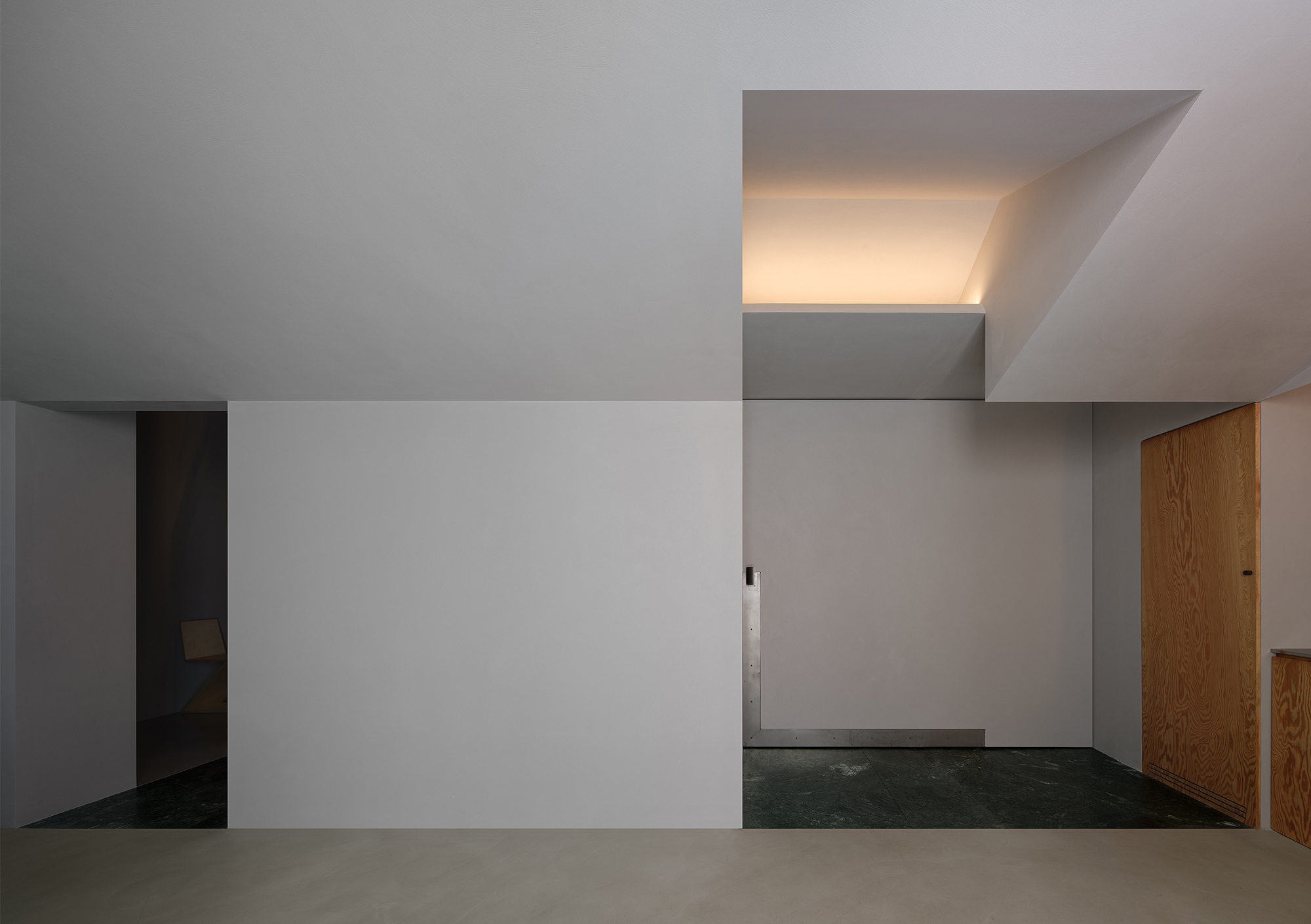
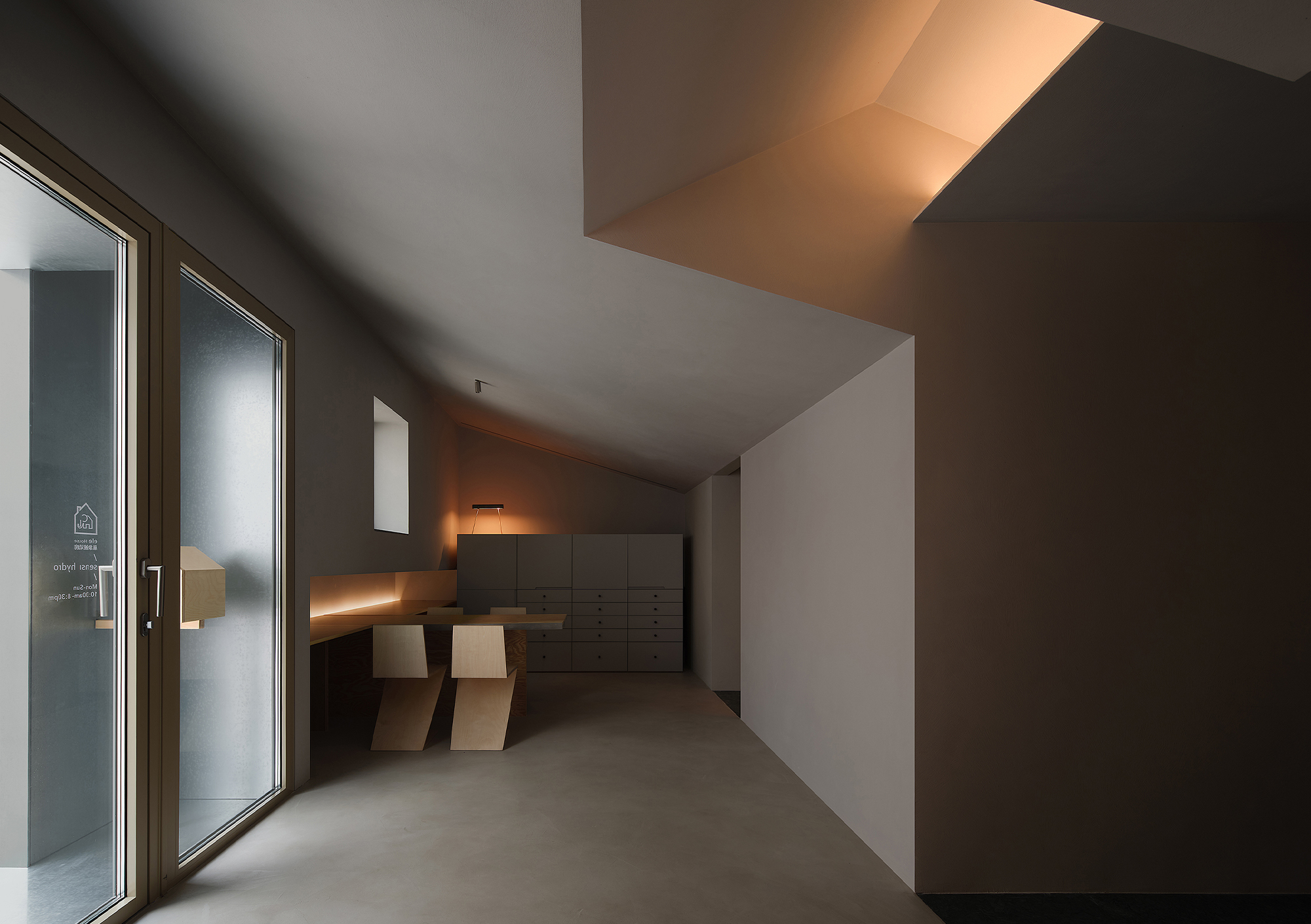
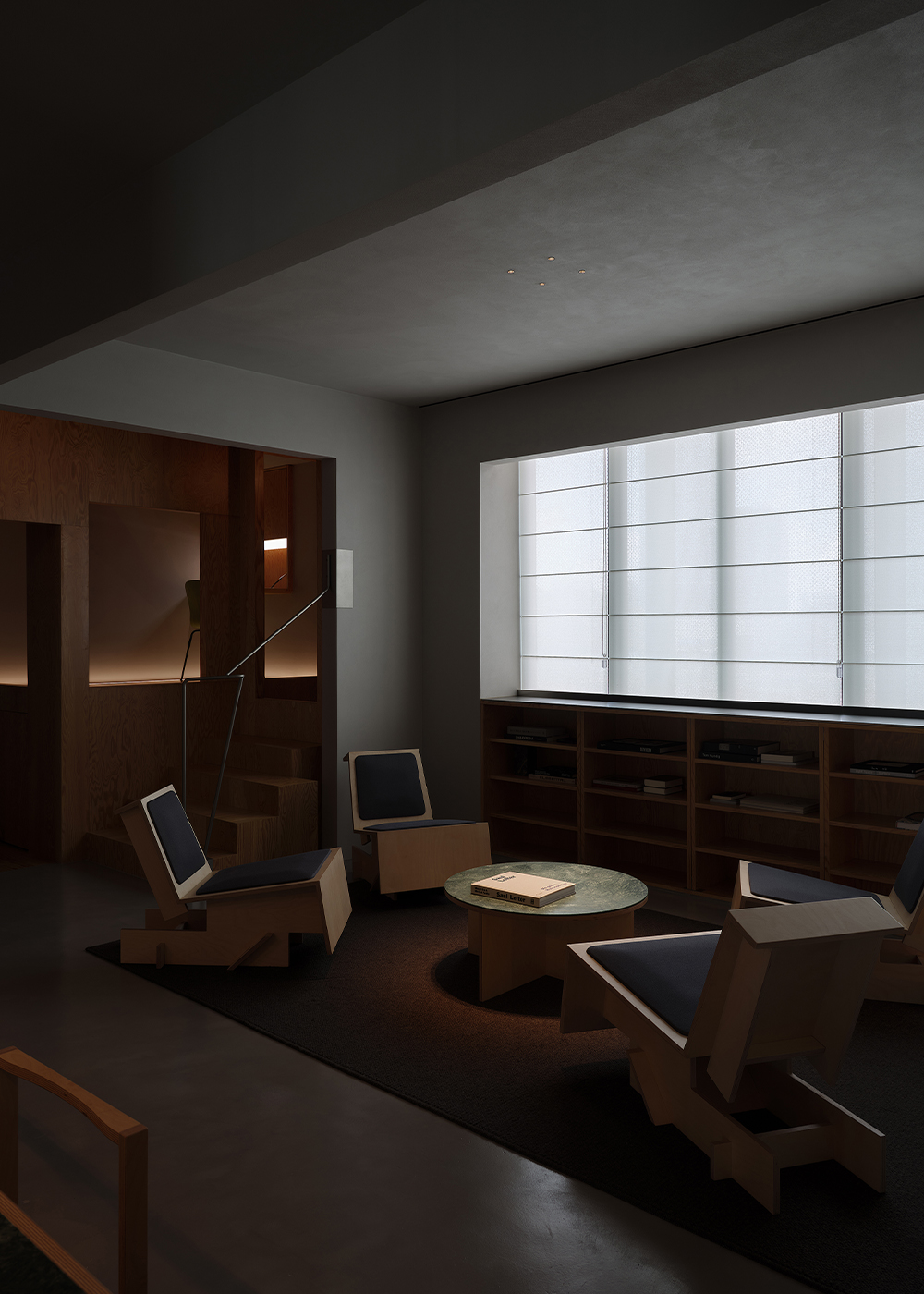
In terms of spatial layout, the designer employed a method of "rich intervals yet mutual transparency". The changes in walls, openings and materials demarcate different functional areas, but the line of sight and air can still flow freely. This "separation without interruption" approach not only ensures the sense of domain and interest of the space but also guarantees the uniform and seamless physical environment that passive houses pursue. The 24-hour clean air brought by the fresh air system is like an invisible stream, quietly flowing through every interval, turning the entire space into a "natural oxygen bar" that breathes.
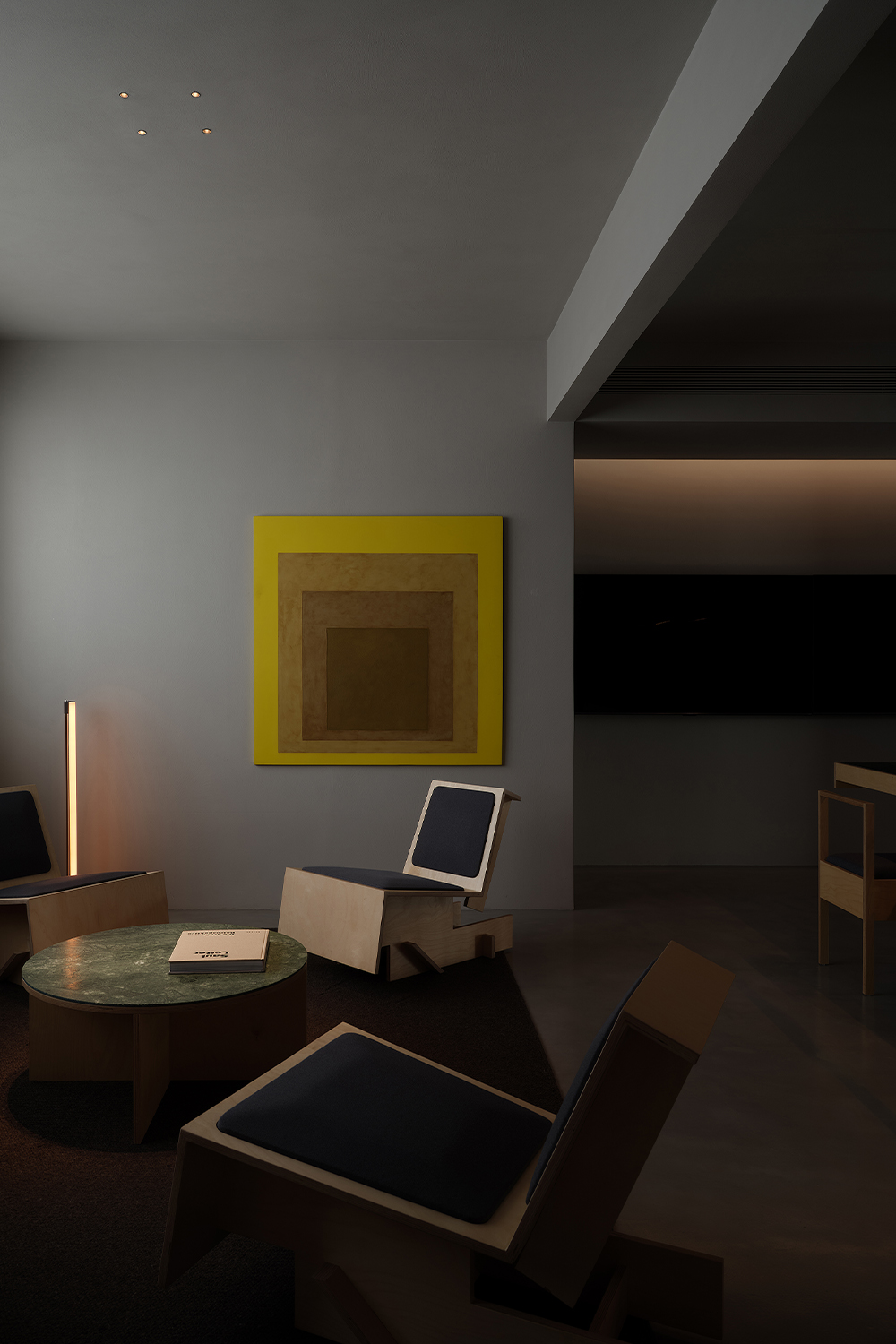
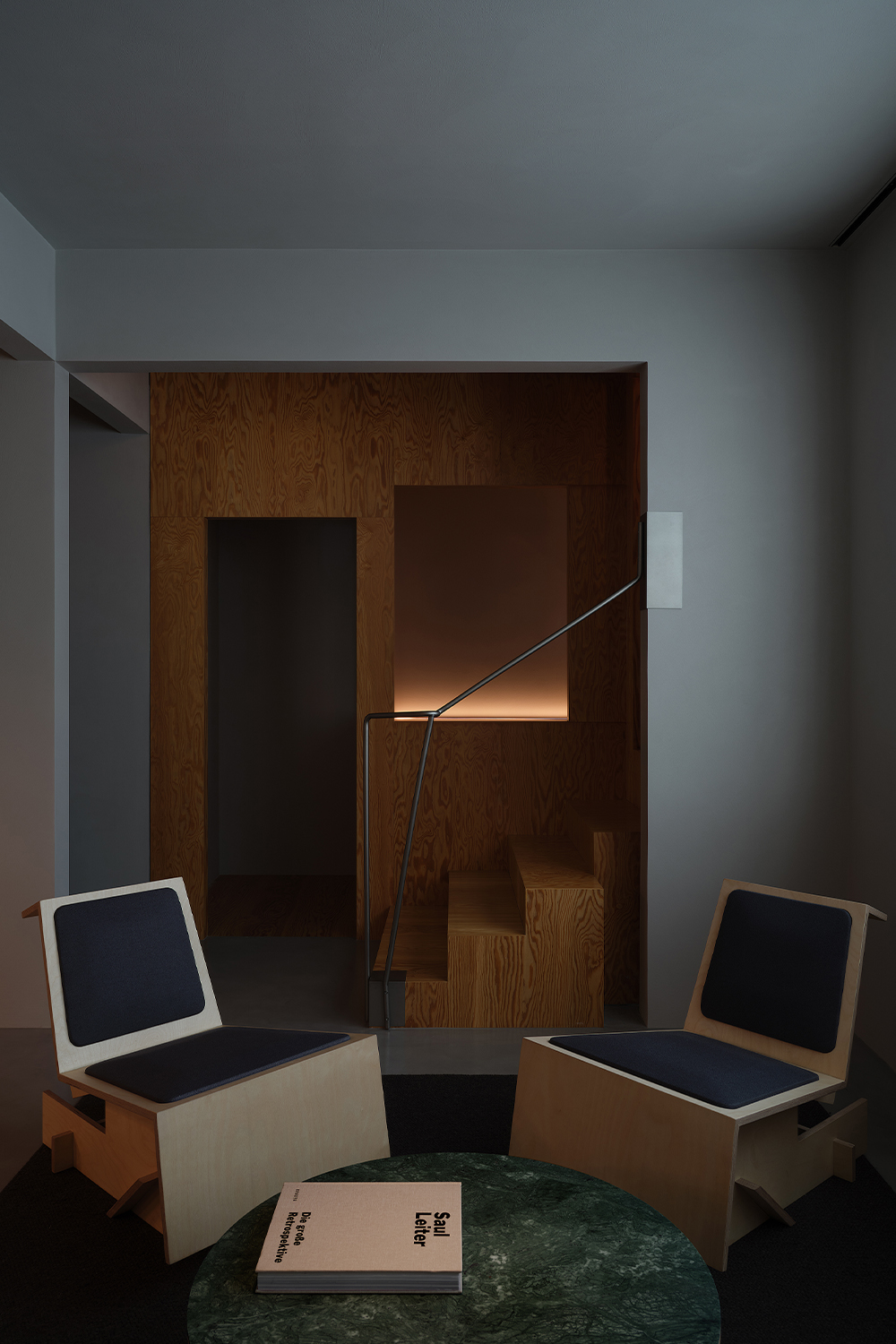
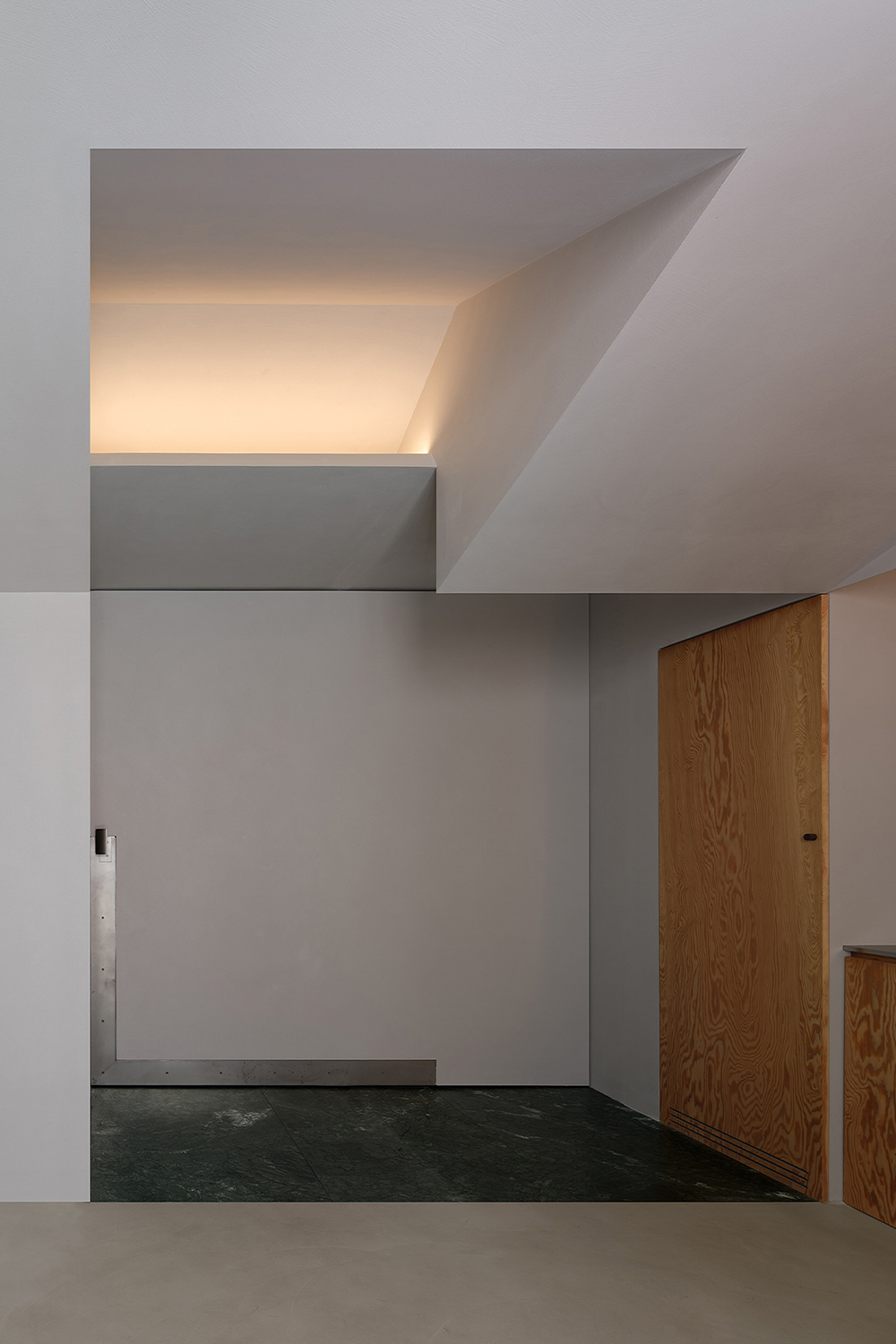
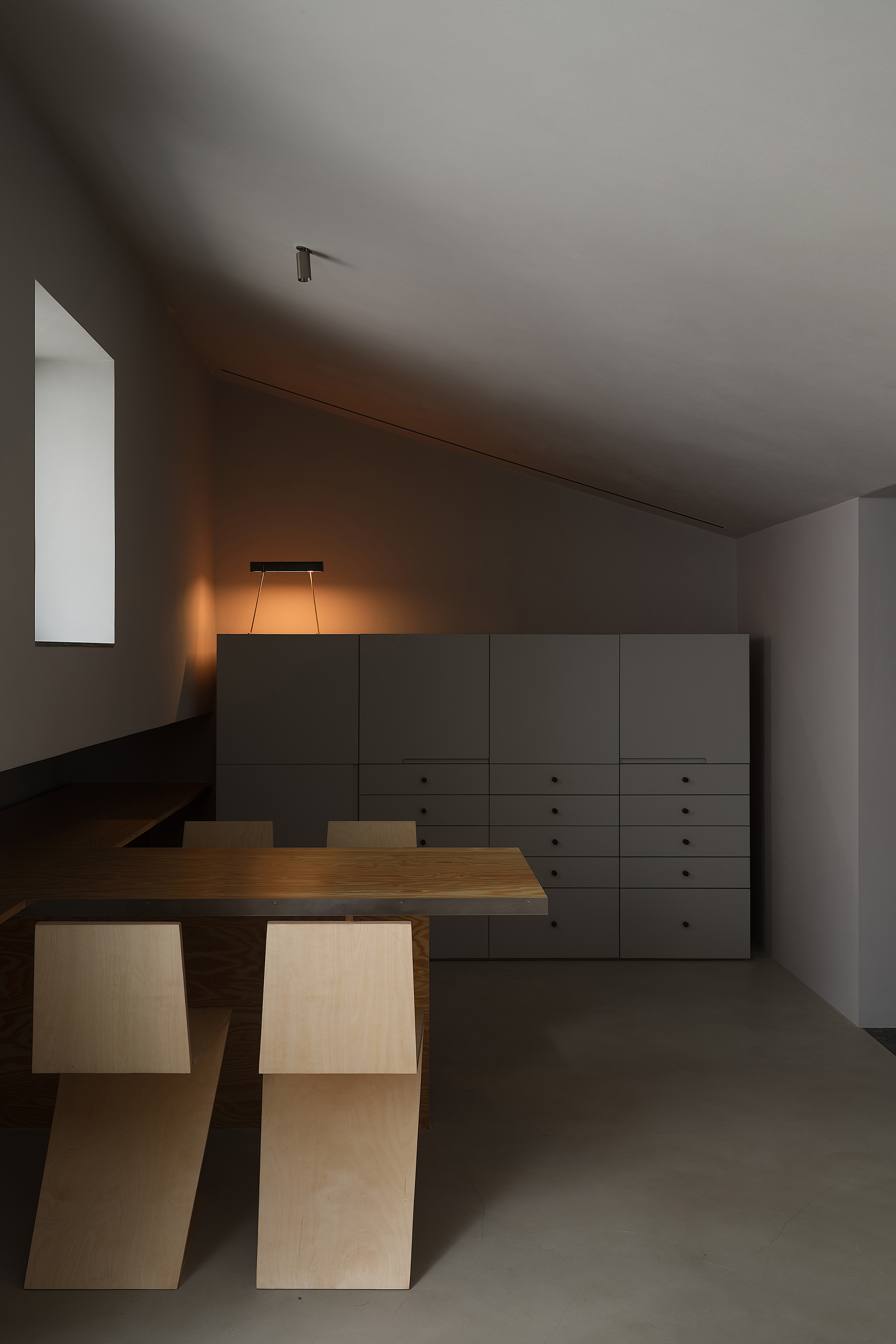
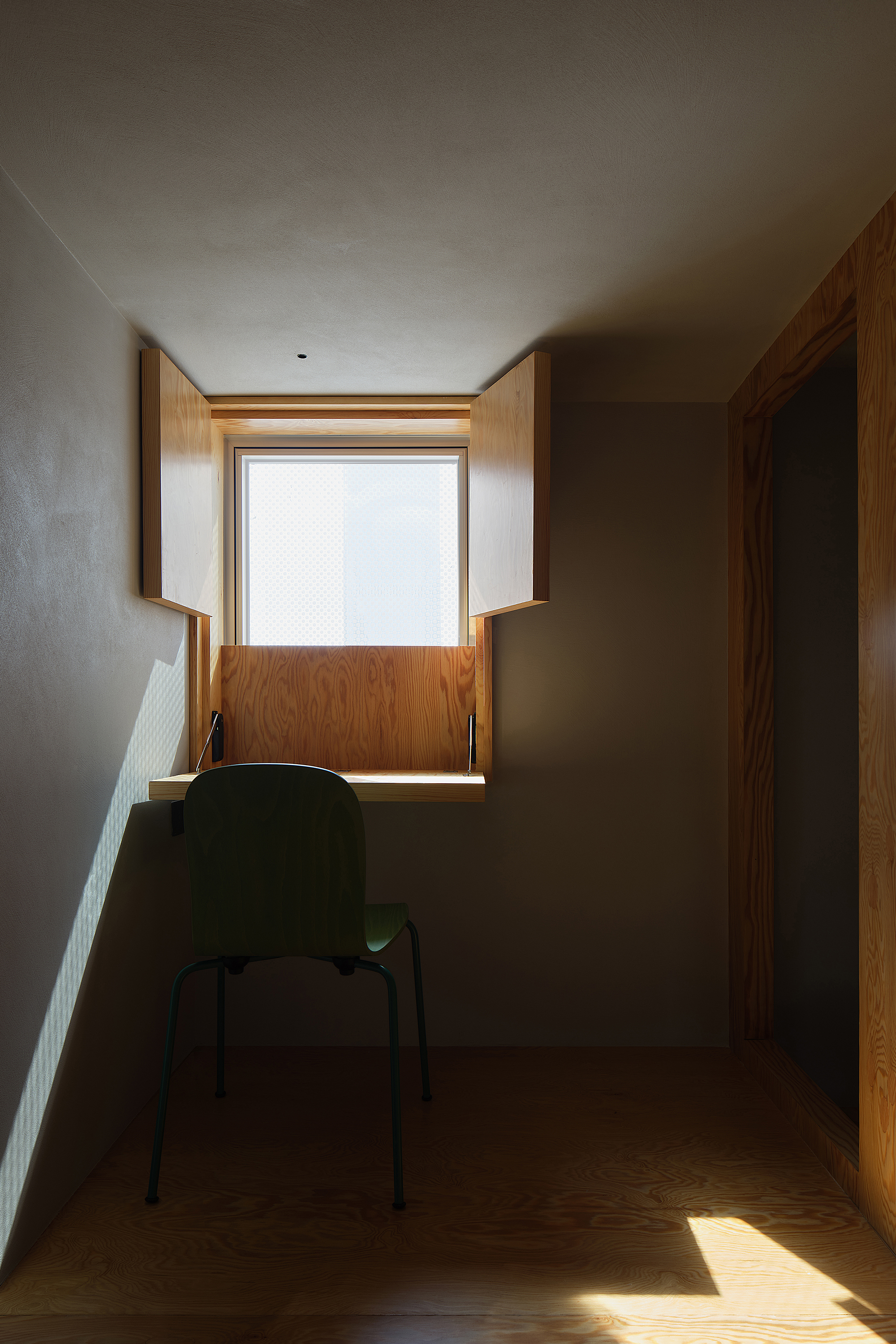
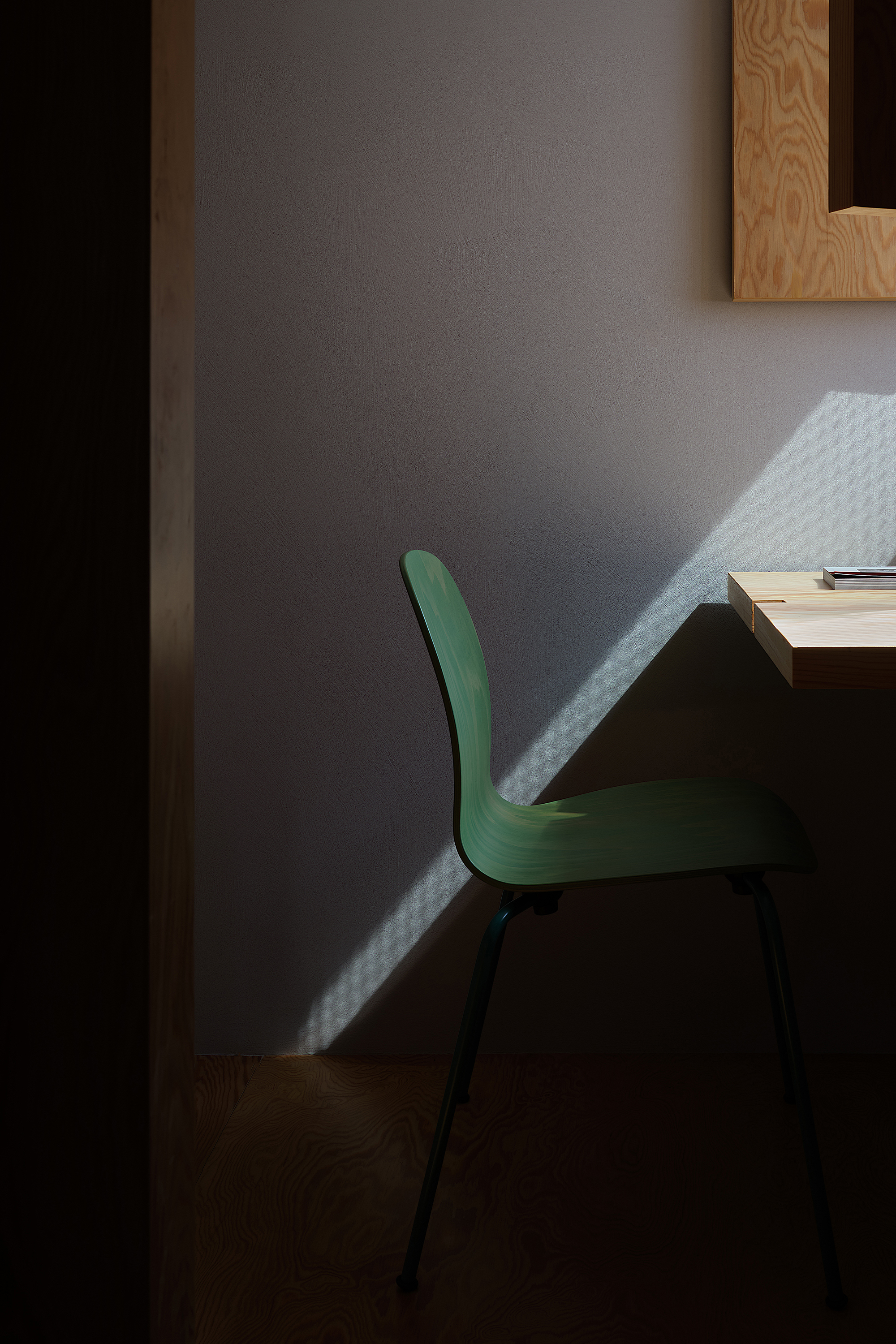
However, within the transparent whole, we deliberately created some corners. These corners are subtle conversions of the vast space. As the French philosopher Gaston Bachelard said in "The Poetics of Space" : "The corner is a negation of the universe." In such an open and transparent space, the corner offers a precious negation - it negates the hustle and bustle of the outside world and the endless void, creating a stable place for individuals to retreat, meditate, and have a dialogue with themselves. Every corner is an introverted exploration, which brings the grand "cosmic" scale back to the intimate and manageable "dwelling" scale, giving users a profound sense of security and belonging.
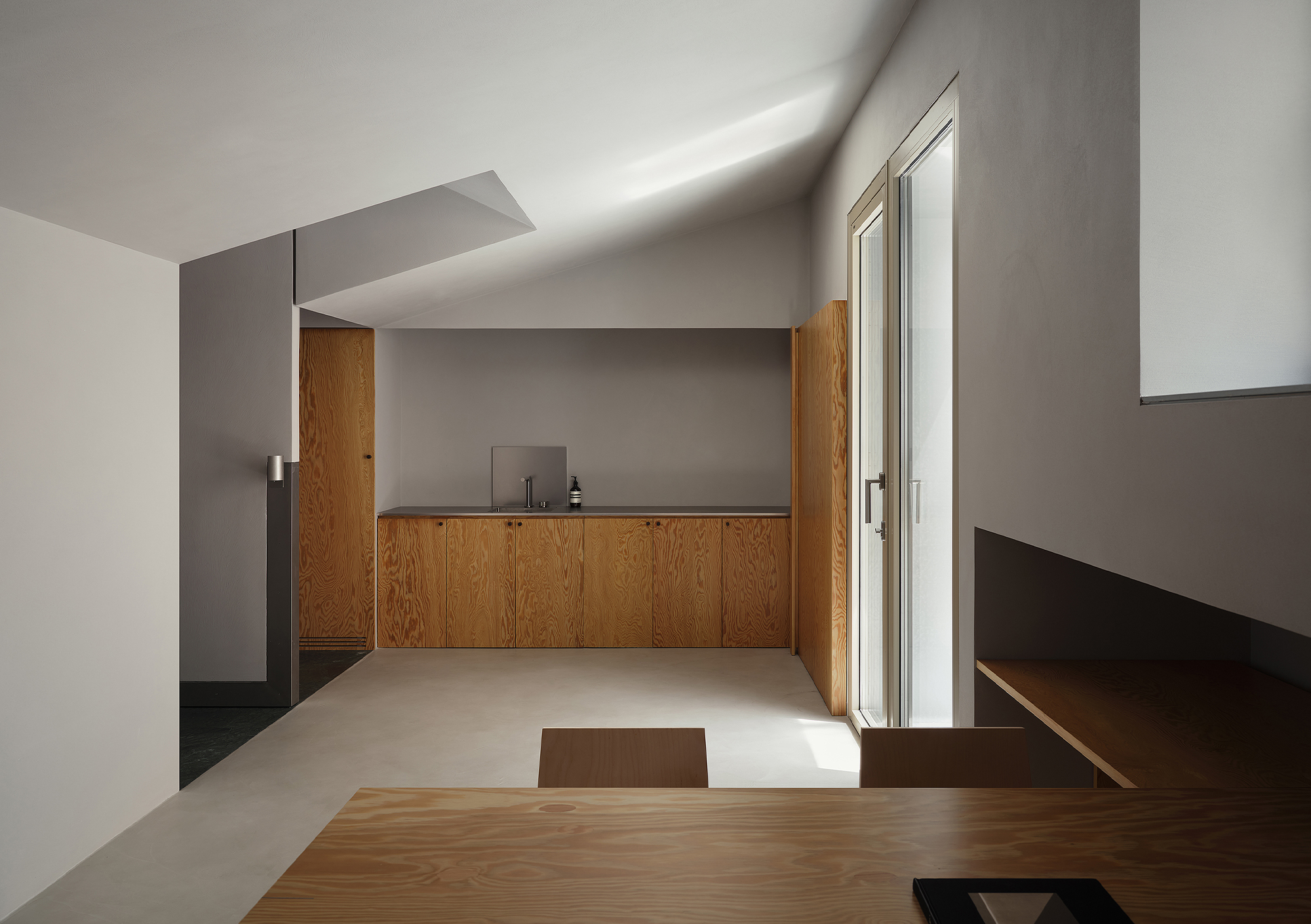
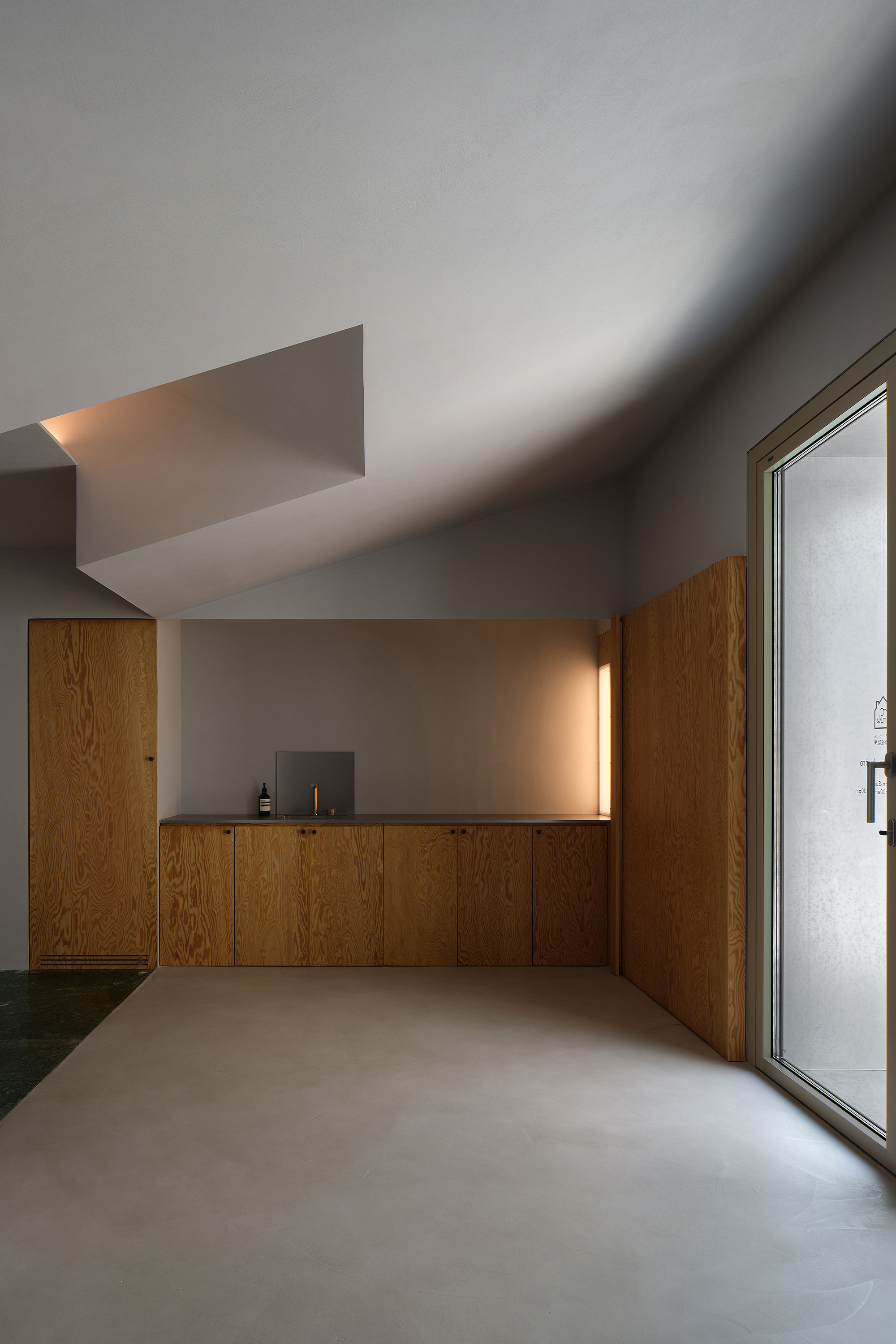
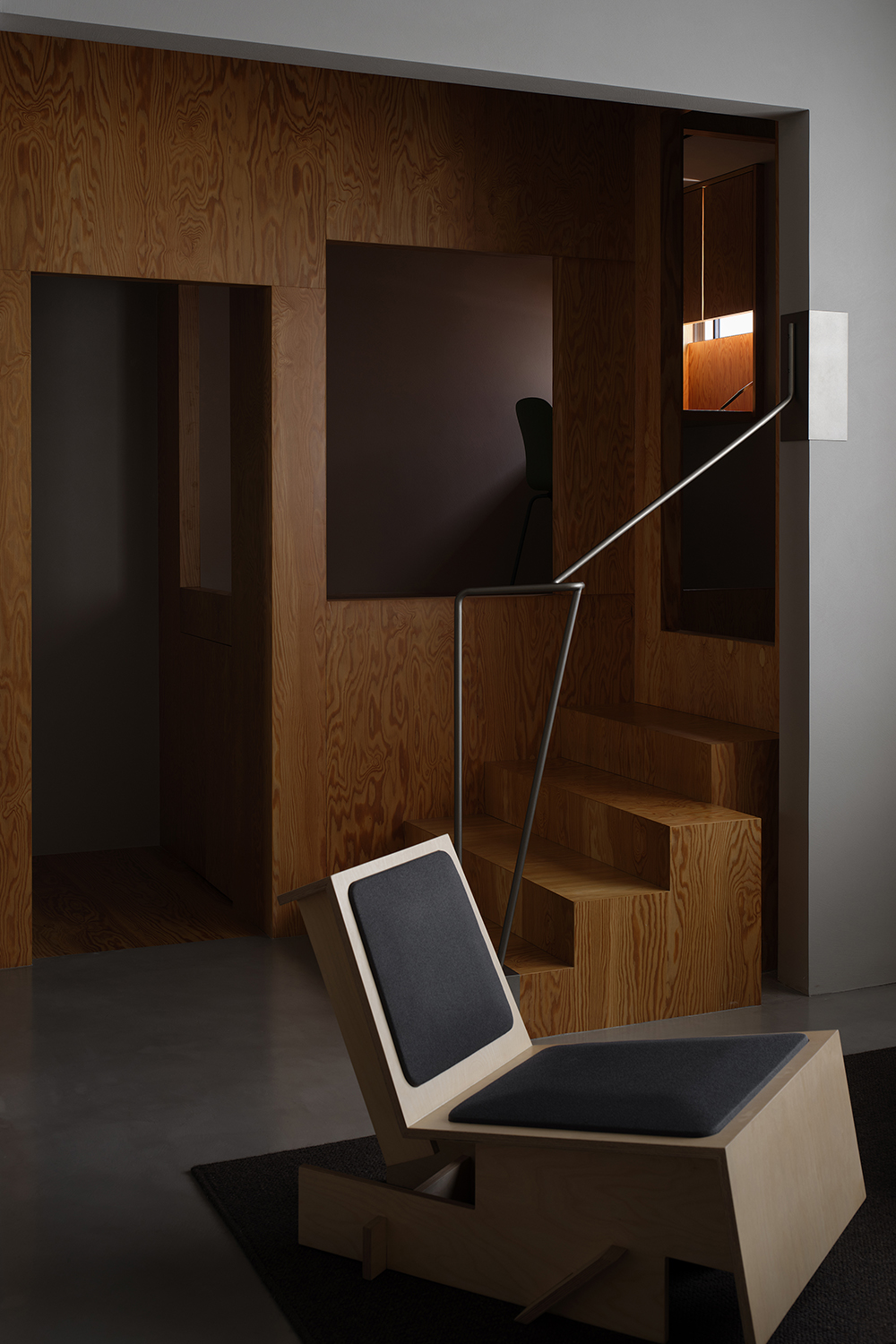
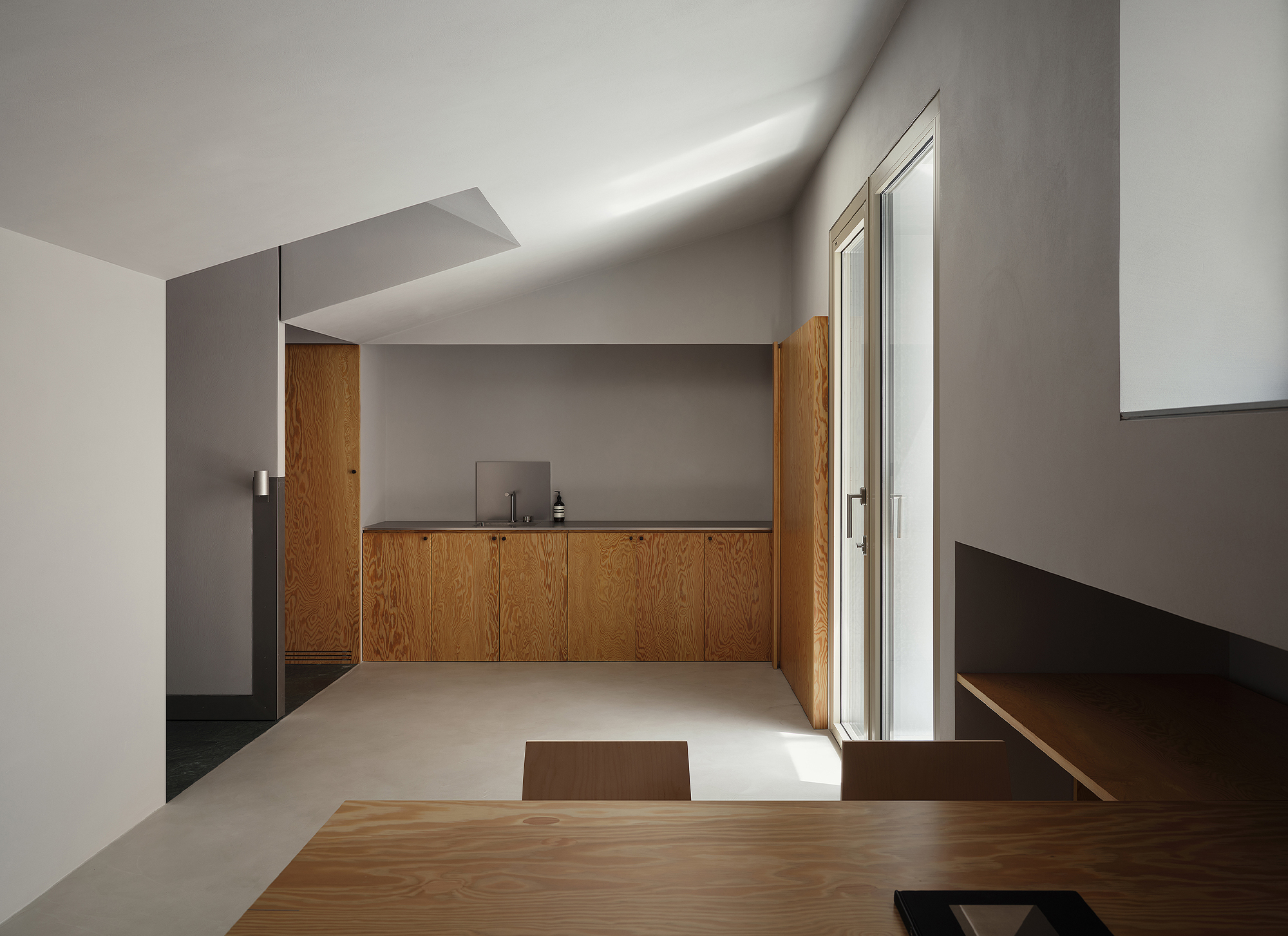
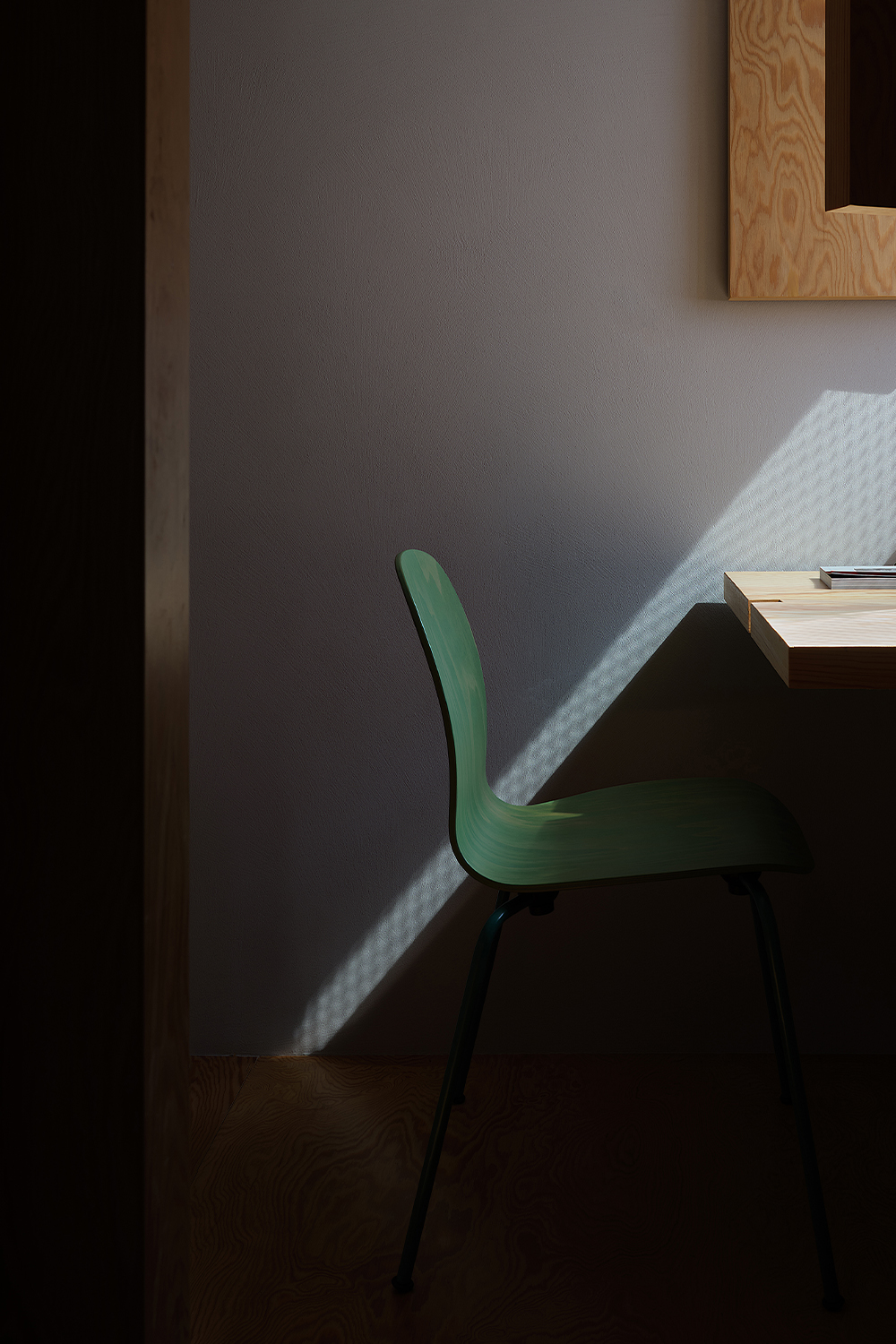
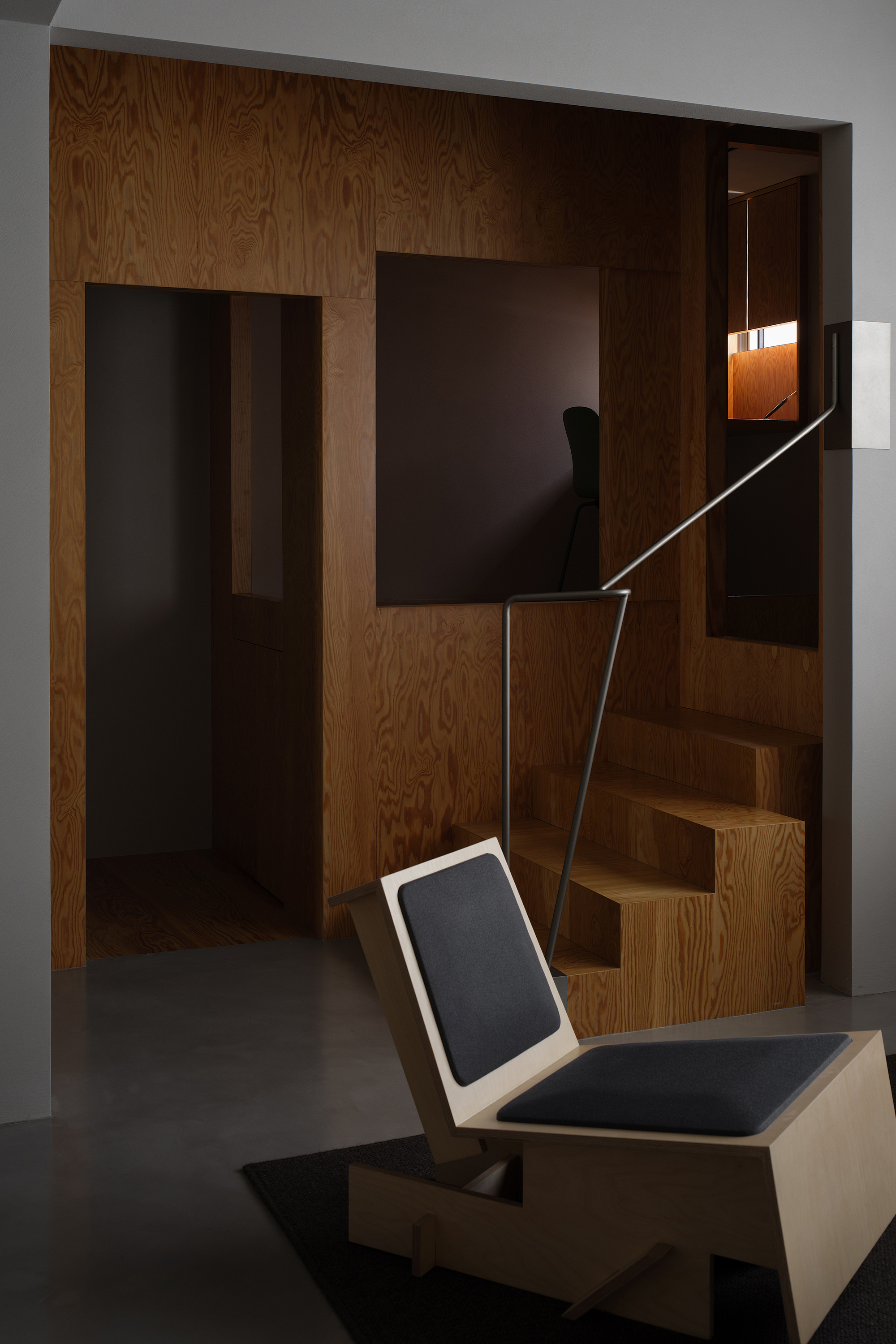
The interior space decoration selected cement paint (concrete mortar), wood and a small amount of stone. They form the visual and tactile tone of the space. Grey cement often gives people a sense of rationality and eternity. Its simple grey tones and raw texture are a silent declaration of the solid enclosure structure and high performance in the room. It carries the "skeleton" of space, calm and reliable. In this space, the designer made an interesting little hint: all the walls and ceilings painted with grey cement are internally insulated. The wooden walls, on the other hand, are merely partitions or furniture. The consistent pine plywood, both inside and out, softens the coolness of the cement, infusing the space with a pleasant warmth and affinity.

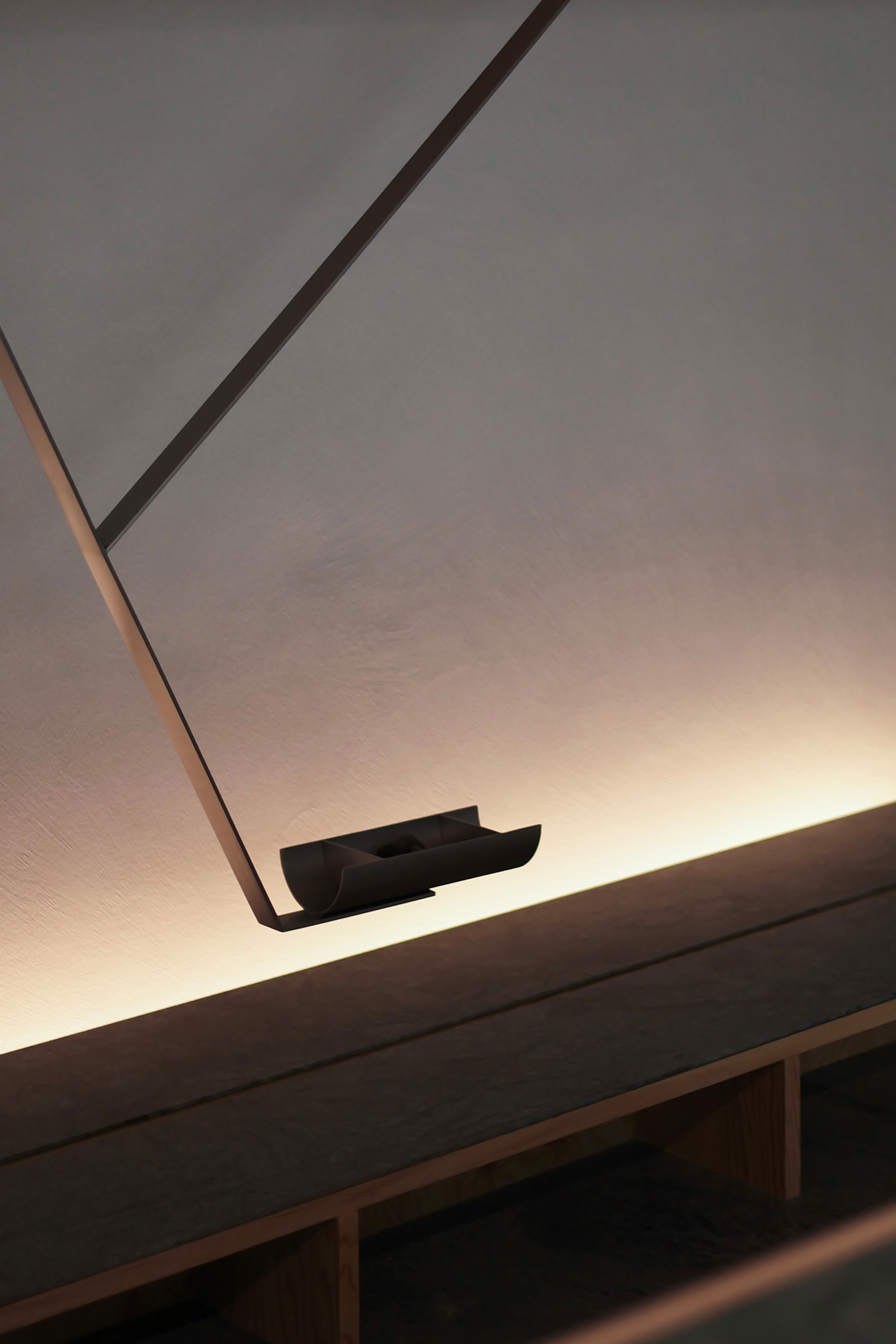
The deliberate distinction between the two materials lies in the balance between rational calculation and emotional experience. At the same time, we set up diffuser stones in the niche. It releases a faint natural scent in a slow and persistent way, intentionally or unintentionally stimulating the visitors' sense of smell. It interweaves with the constant temperature and humidity body sensation, the quiet hearing, the simple vision and touch, jointly weaving a comfortable picture of all senses, making the concept of "healthy residence" fully perceptible in the most simple way.

This small space is ultimately a proposal about "return". It brings architecture back to its essence of providing shelter, technology back to its original intention of serving life, and people back to their true state of physical and mental peace. Here, the scorching heat of Lingnan and the dampness of the return of the south wind are elegantly isolated, leaving behind a dry, comfortable and quiet inner world. Through its transparent layout and contemplative corners, it not only offers the freedom of communication but also defends the dignity of solitude. This is not merely a space showcasing future living styles; in itself, it is a serene poem of real life.

MORE PHOTOS