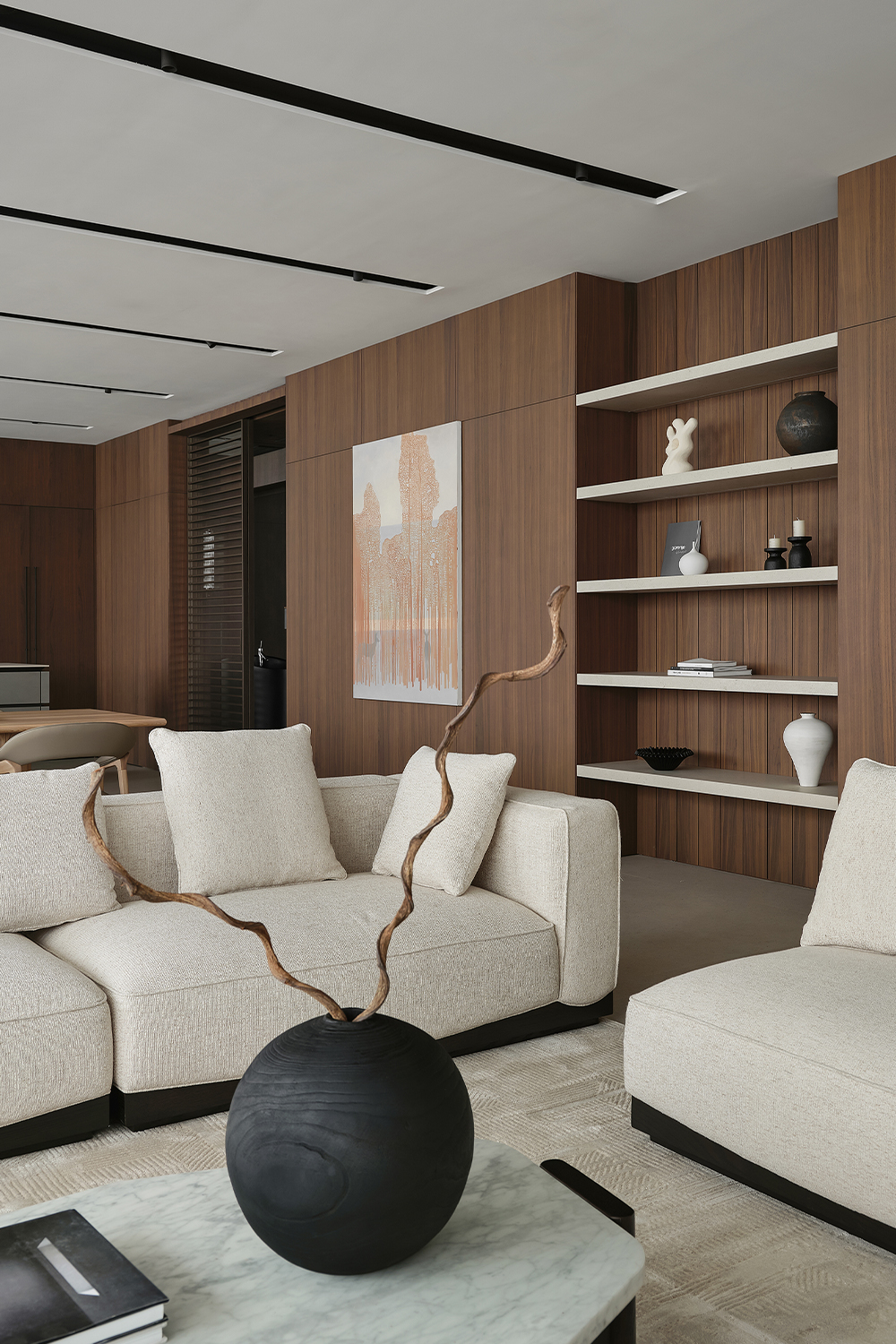
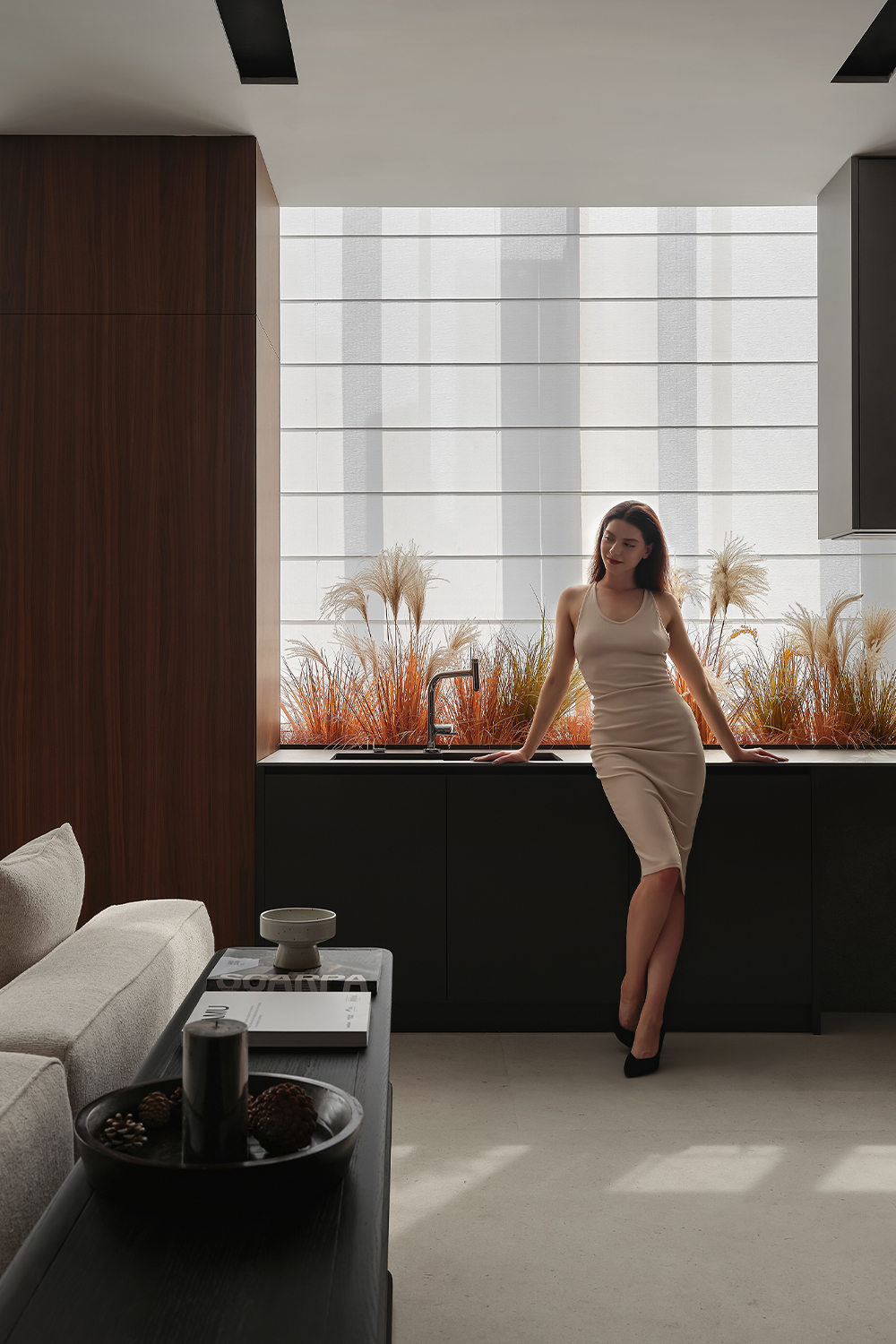
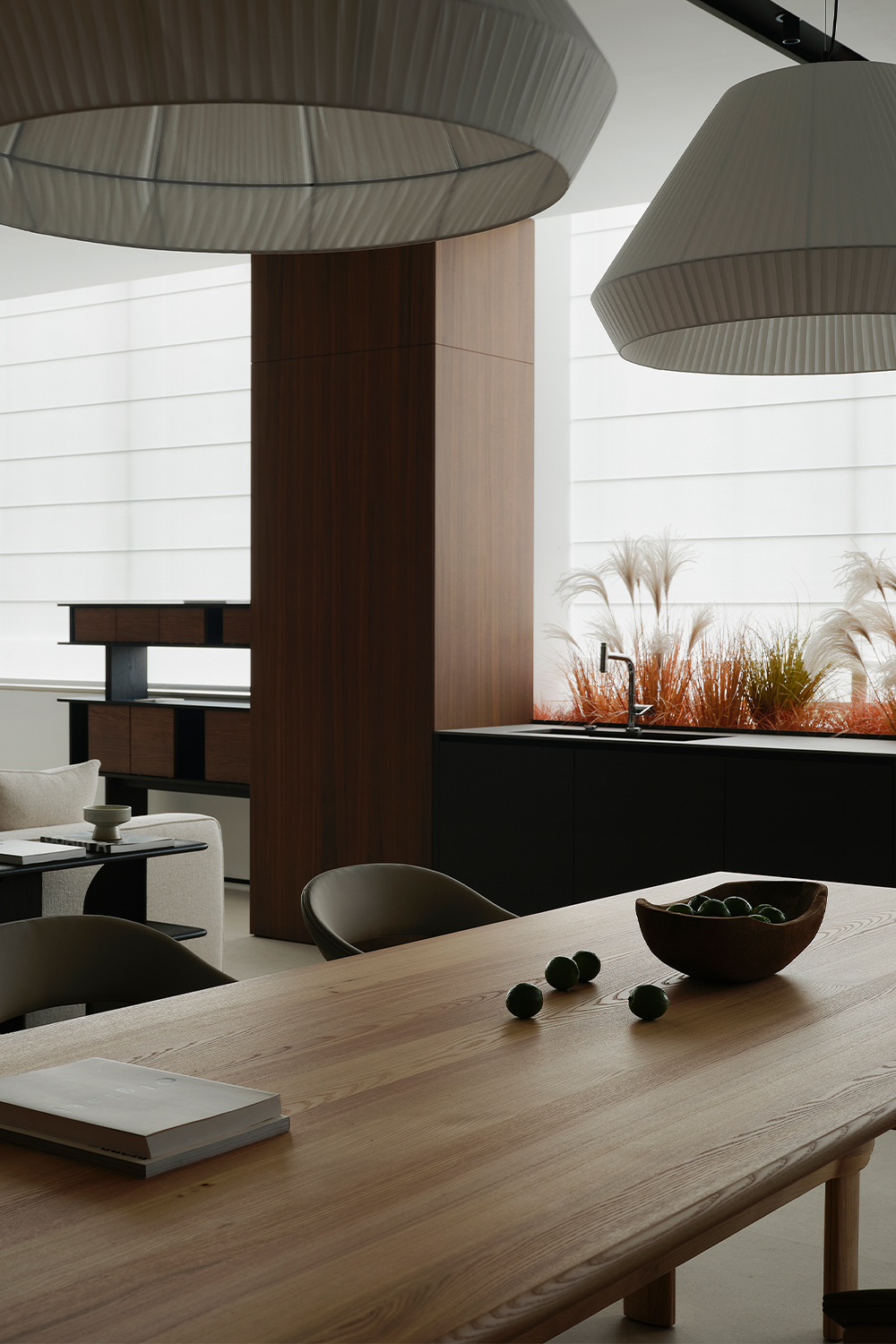
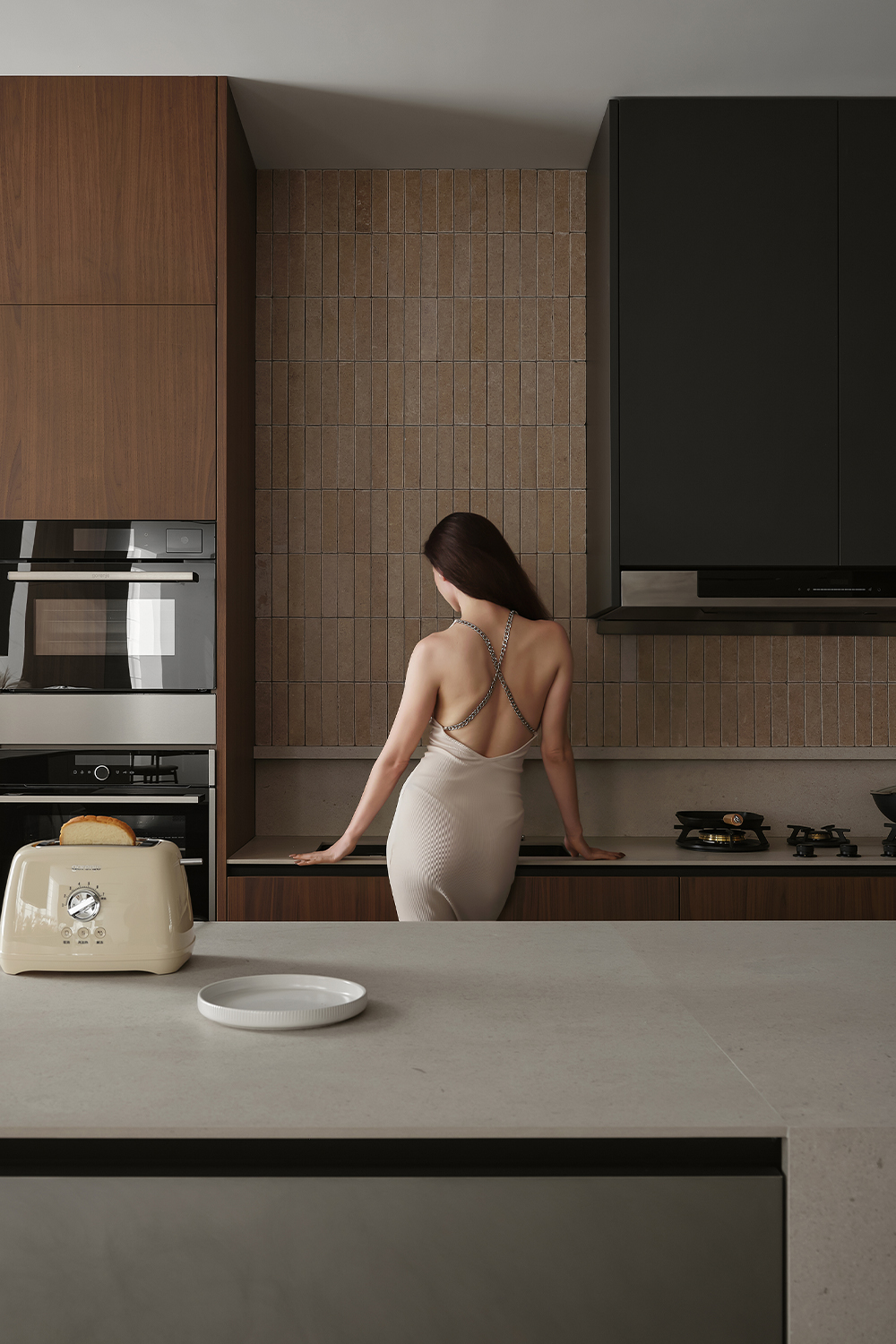
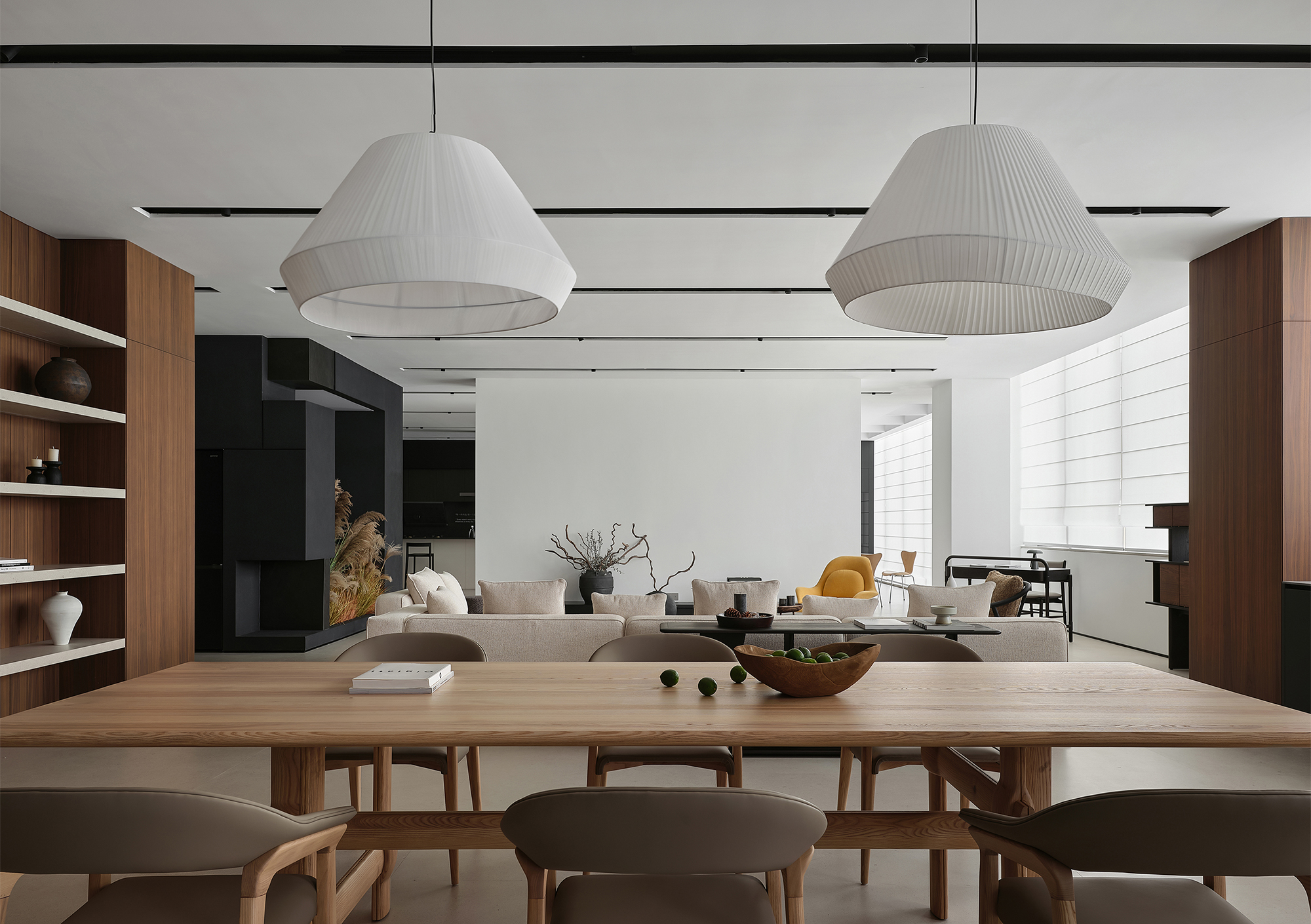
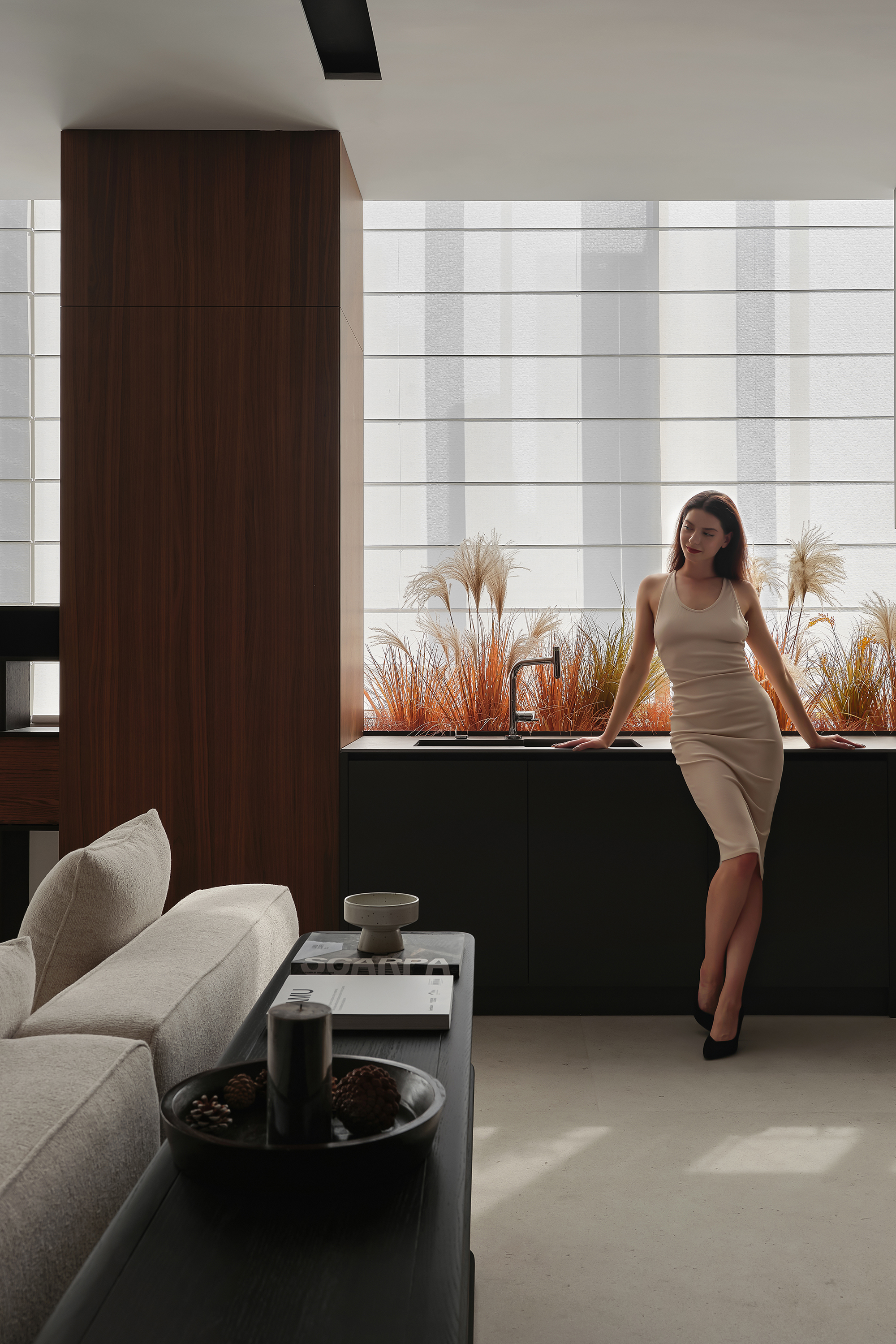
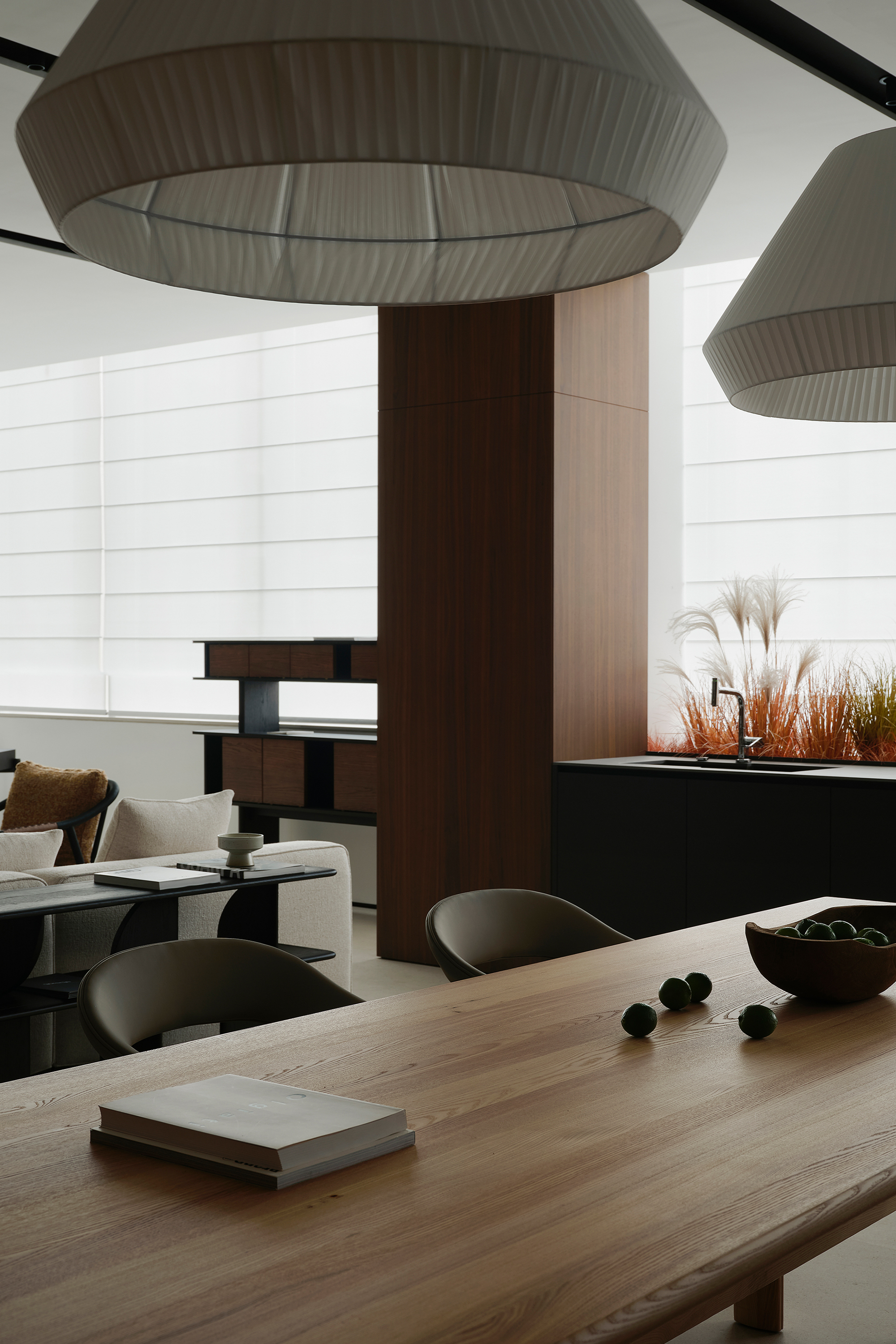
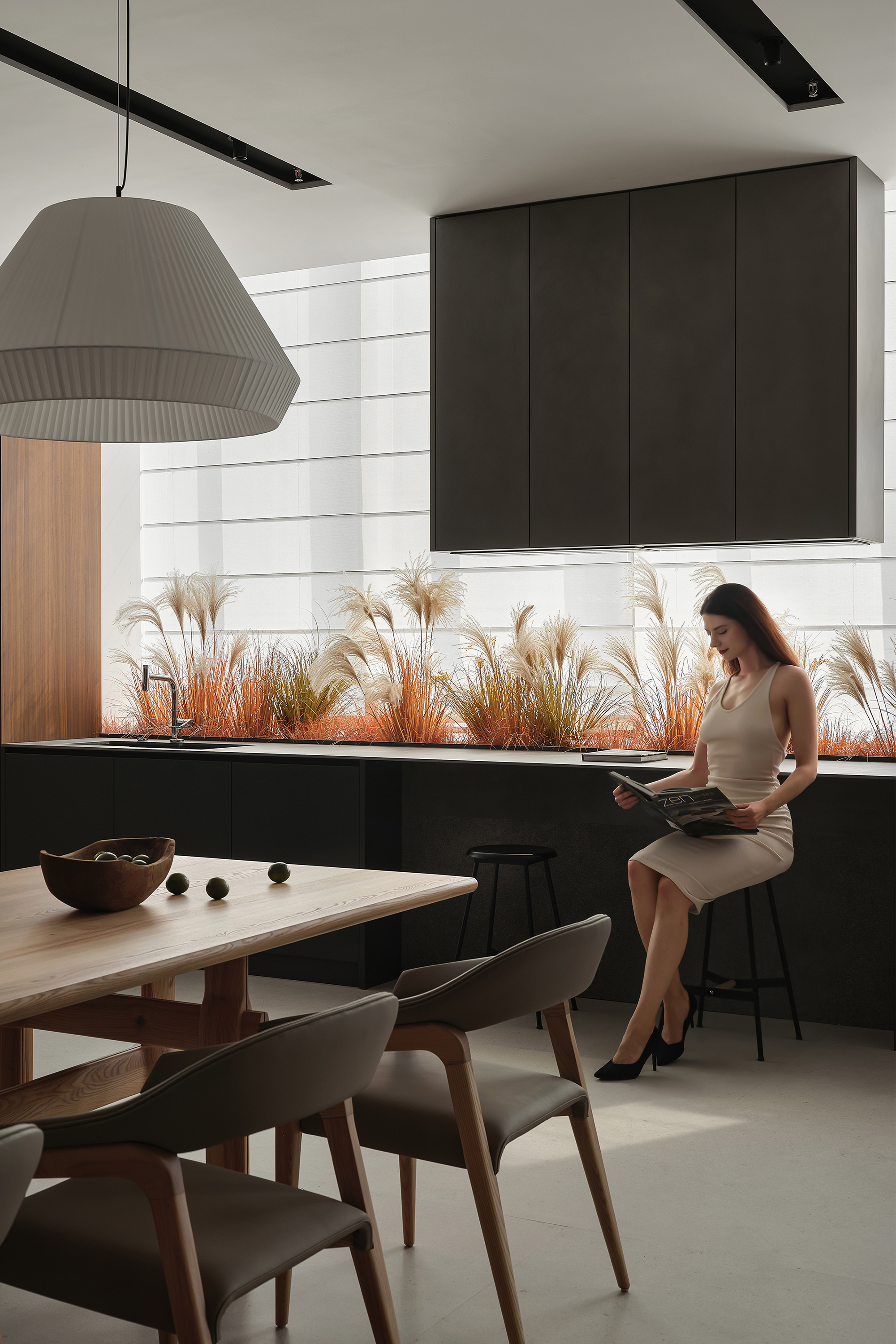
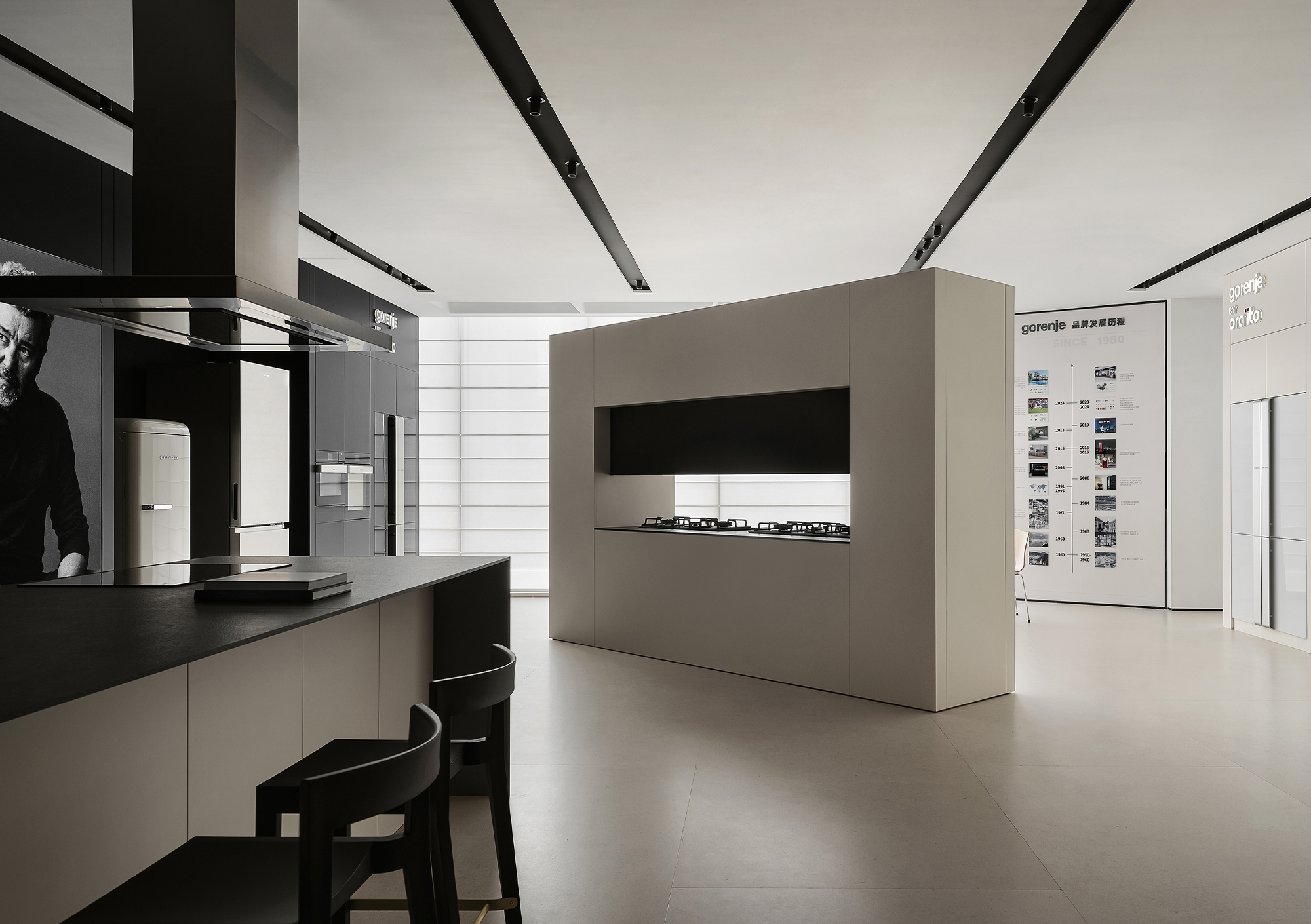
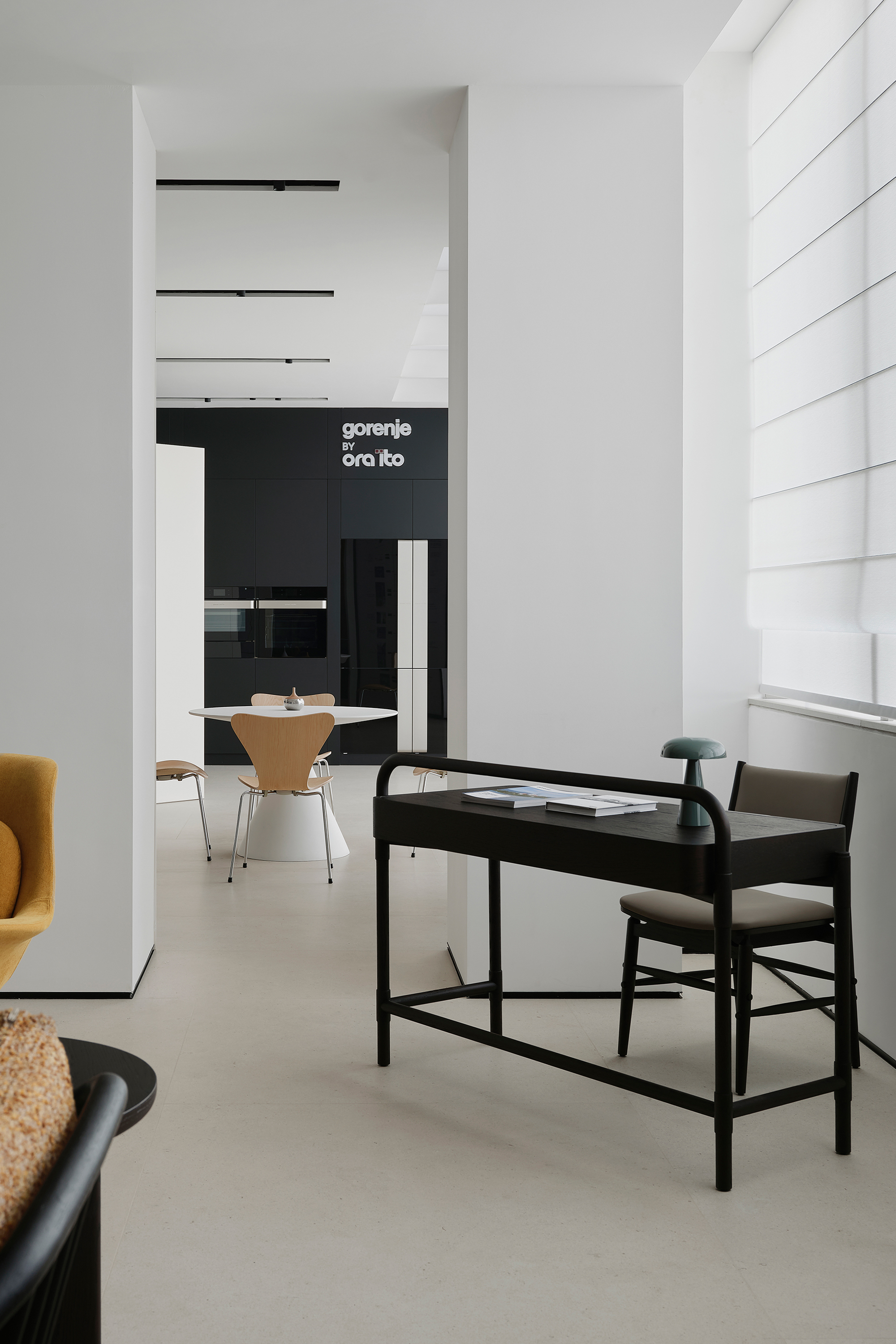
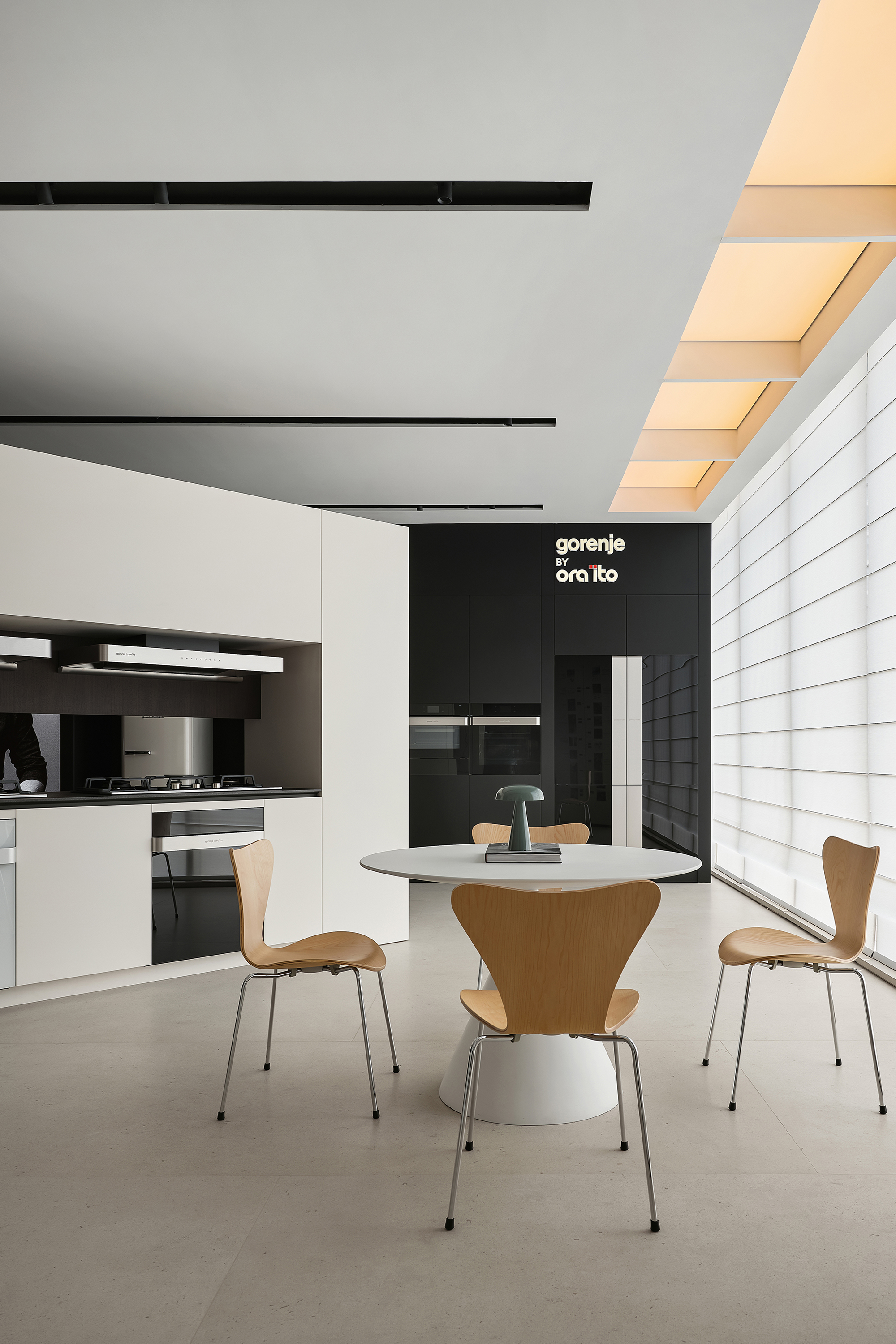
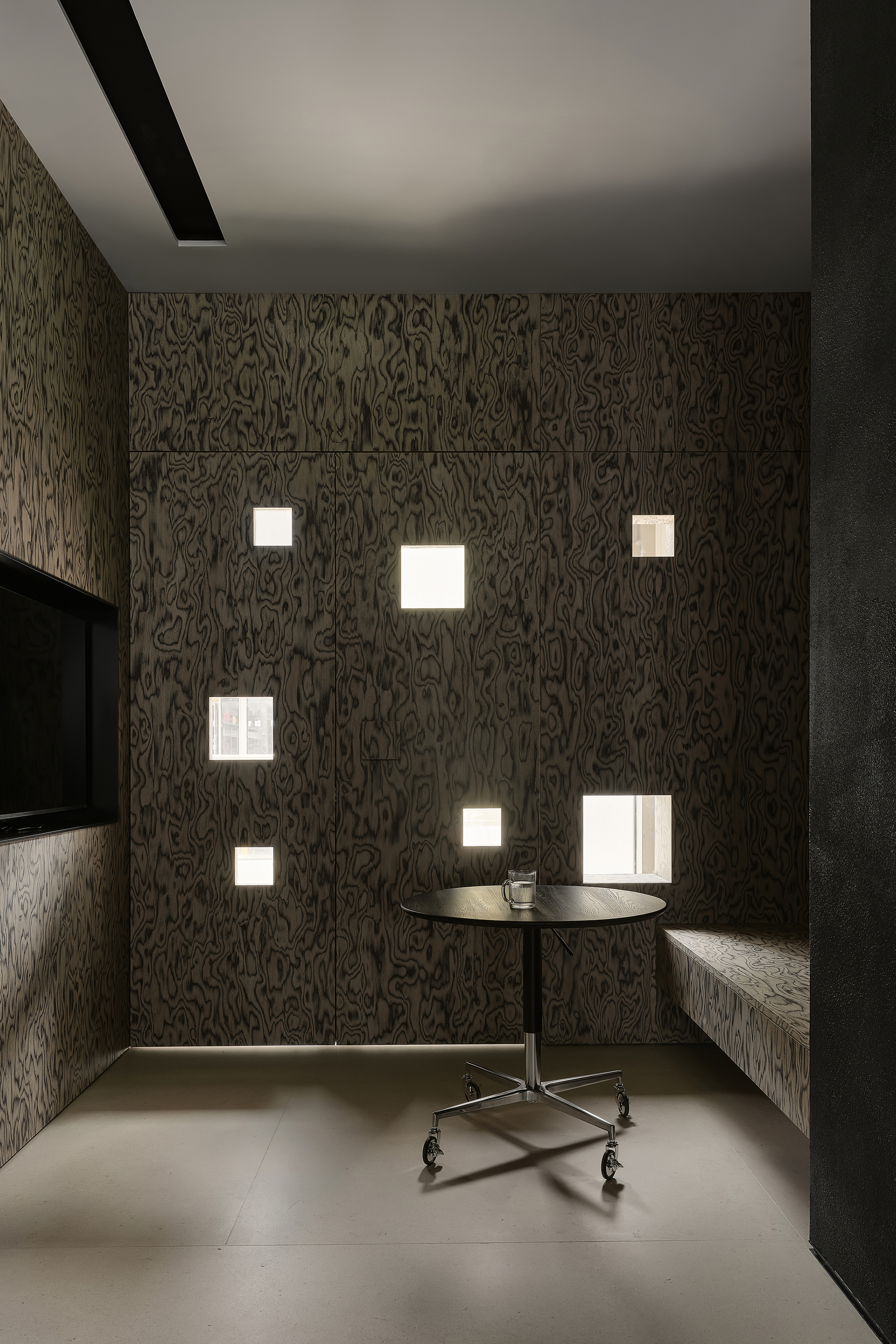
The starting point of design is not just the composition of the form, but the precise capture of the brand spirit. The creation of gorenje Nanjing Exhibition Hall is a multi-dimensional reflection based on brand culture, product characteristics and user experience; How to juxtapose the manufacturing spirit originating from Lake Bled in Slovenia with modern lifestyle? How to construct a shared experience of home, technology, and art in the form of space?
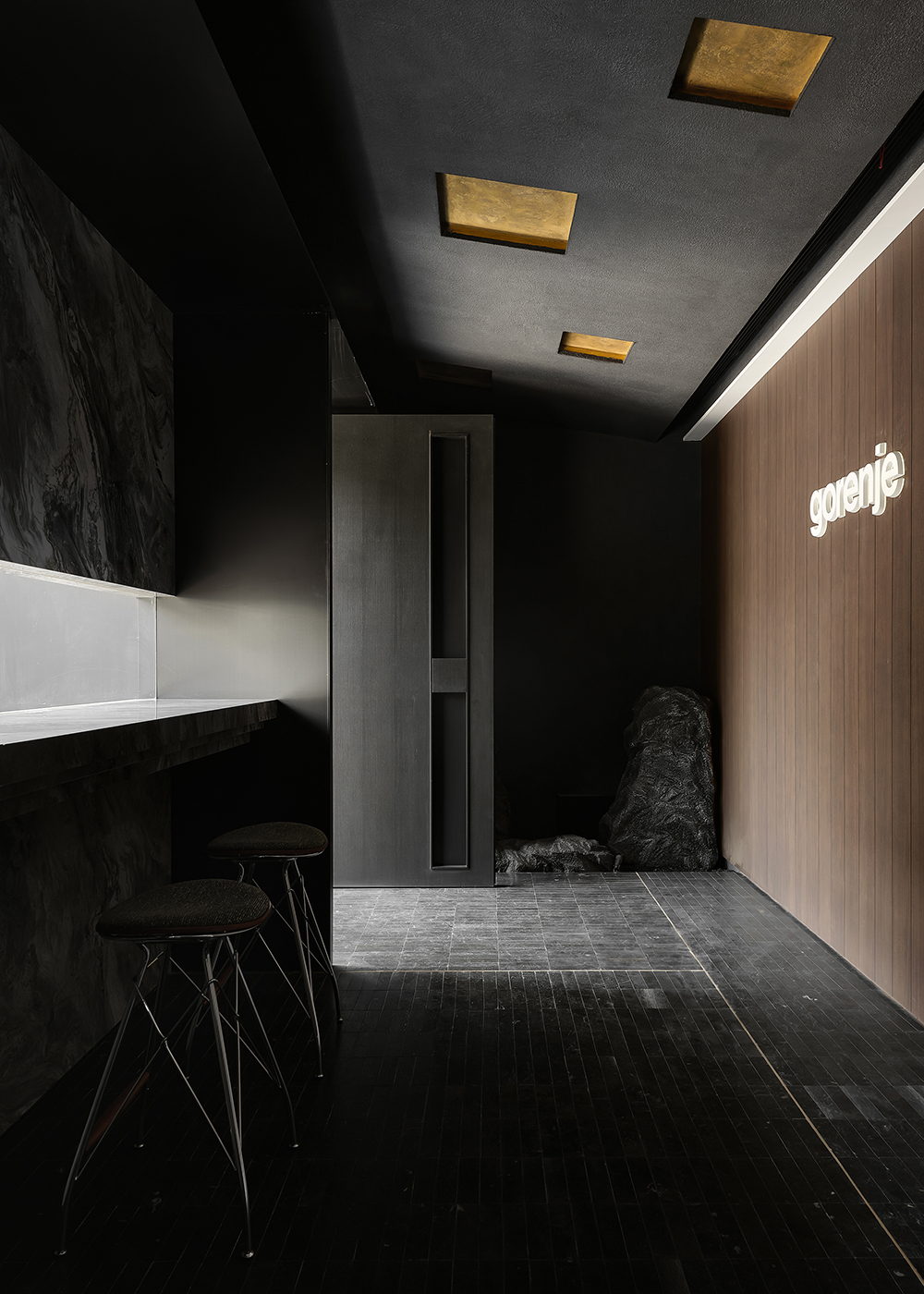
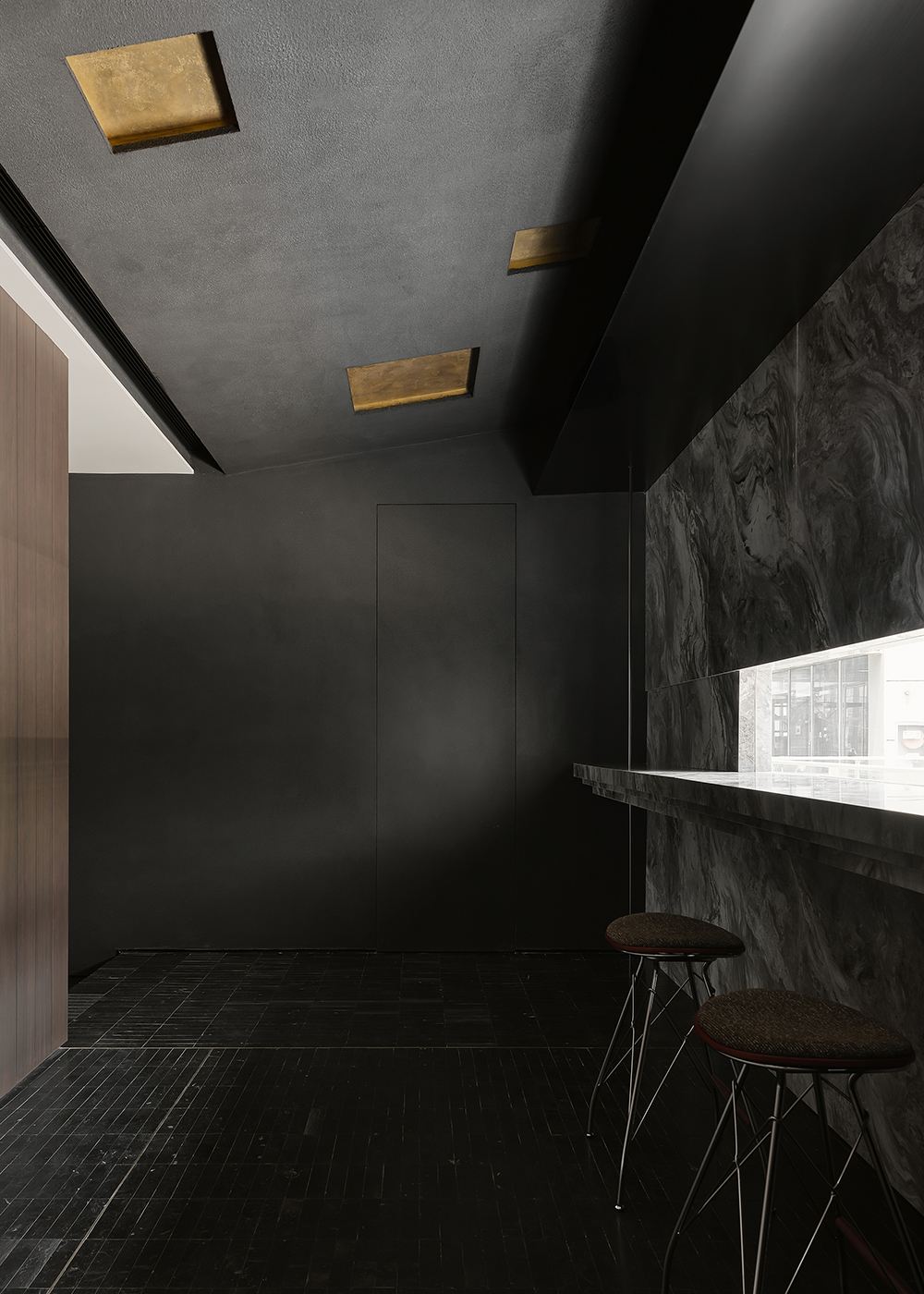
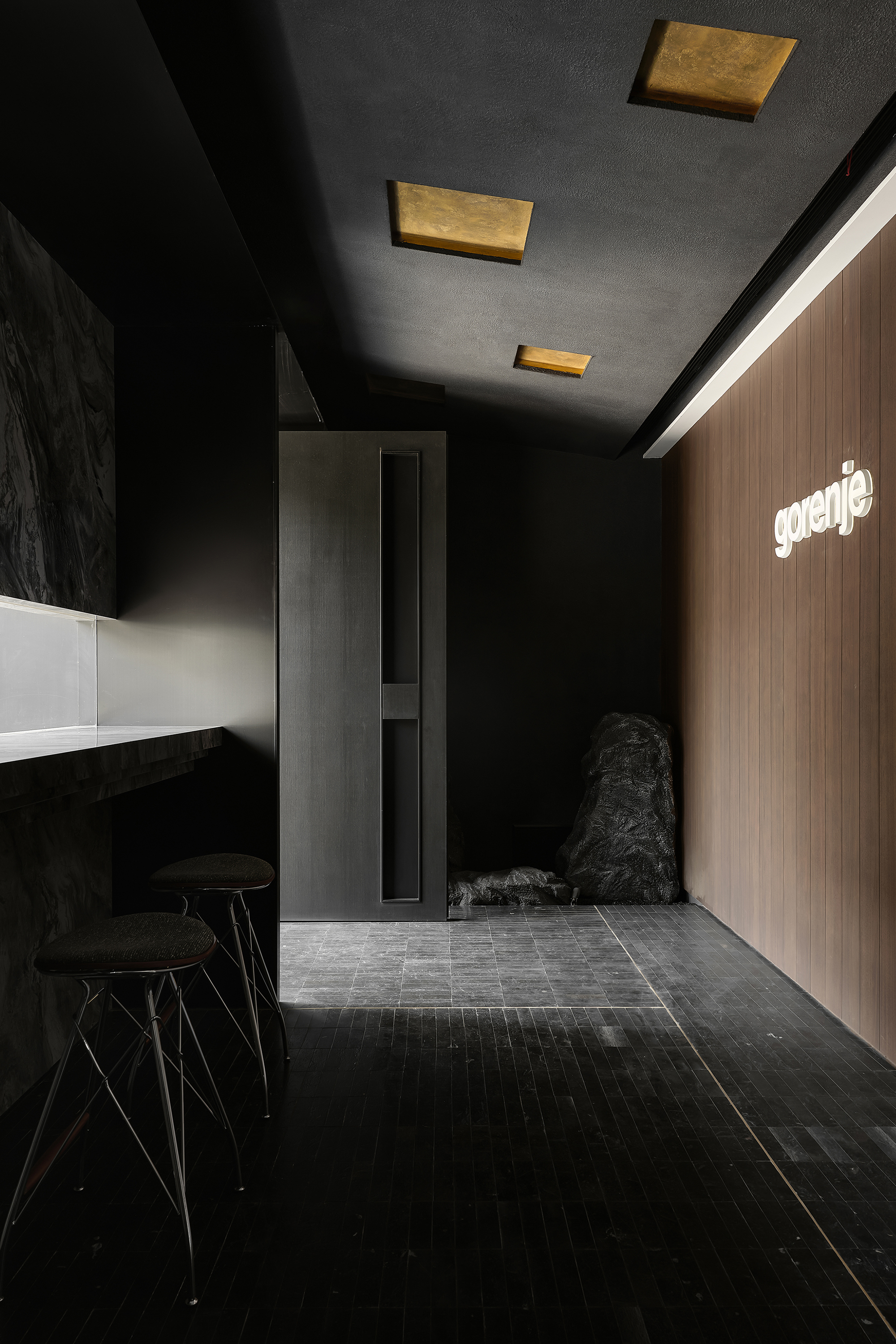
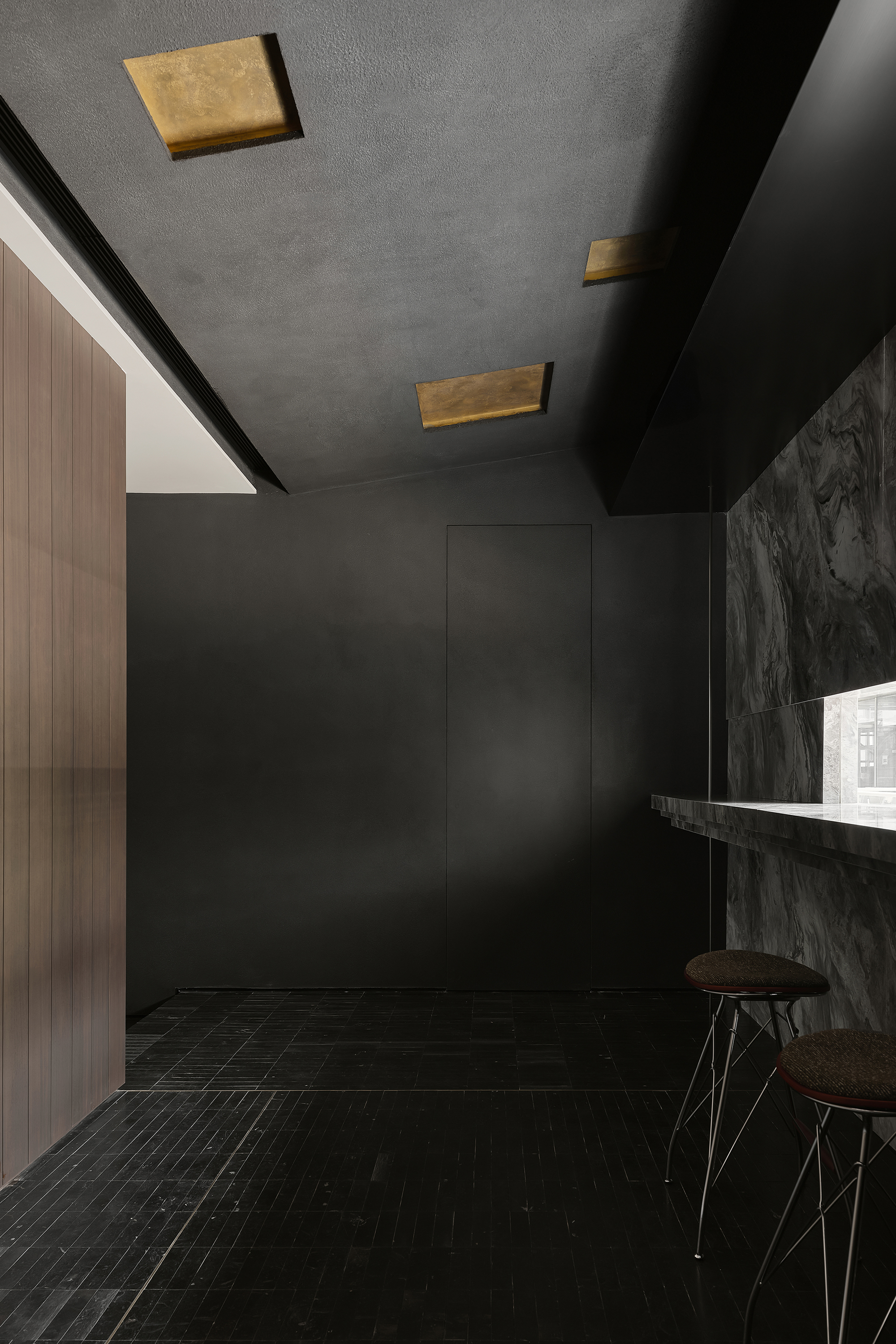
Approaching the exhibition hall, a facade composed of dark metal and water-patterned stone interweaves, silently setting the first psychological boundary. It's not like a solicitation, but more like an invitation, like a slice of some natural landscape, quietly waiting to be entered in the city. The black off-axis door that opens laterally subtly breaks the symmetry, creating a hint of intentional uncertainty, guiding the viewers into a slowly unfolding spatial journey. The subsequent narrow corridor completed the emotional "low rise" with the interweaving of different materials. The raised ground, rough rock bricks, and warm copper wire texture create a tactile experience between nature and artificiality.
On one side of the wall, the context of the entrance stone is continued, while on the other side, brown wooden grids are laid out in a delicate rhythm, and the brand logo is lightly embedded in it, not ostentatious but clear enough. At the top, a sloping roof is used as a metaphor for architectural intention, casting a slightly divine opening in the halo of golden texture.
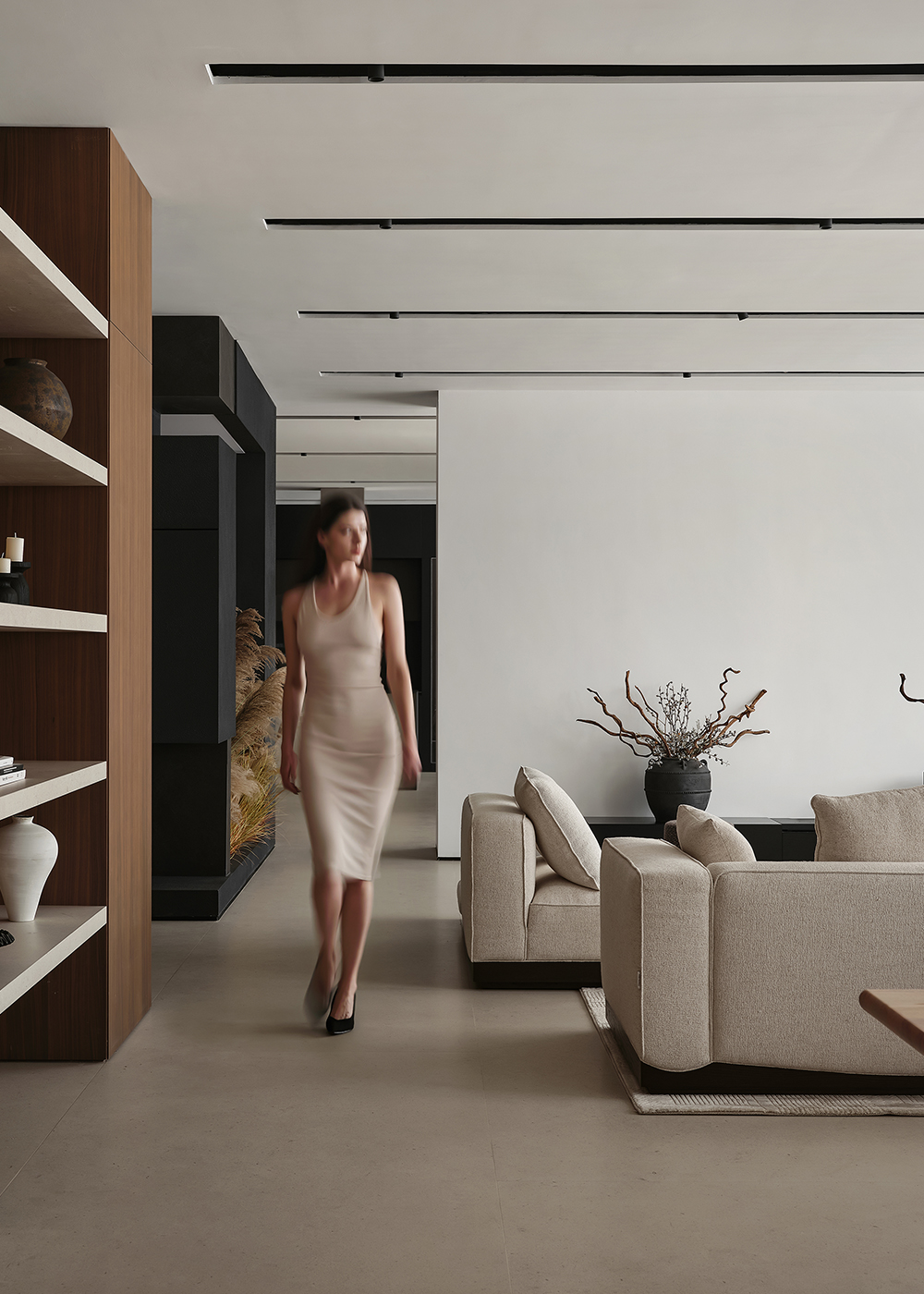
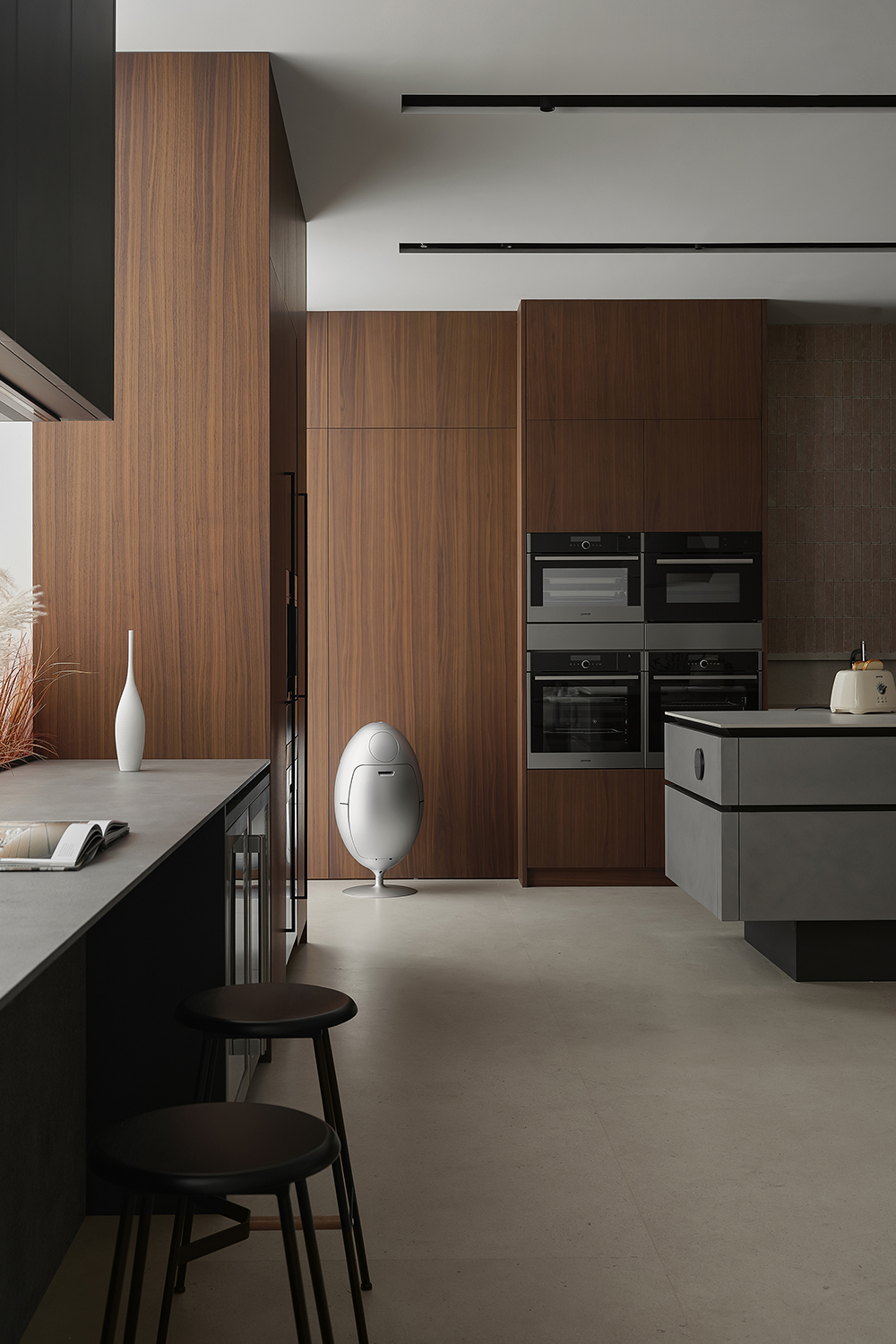
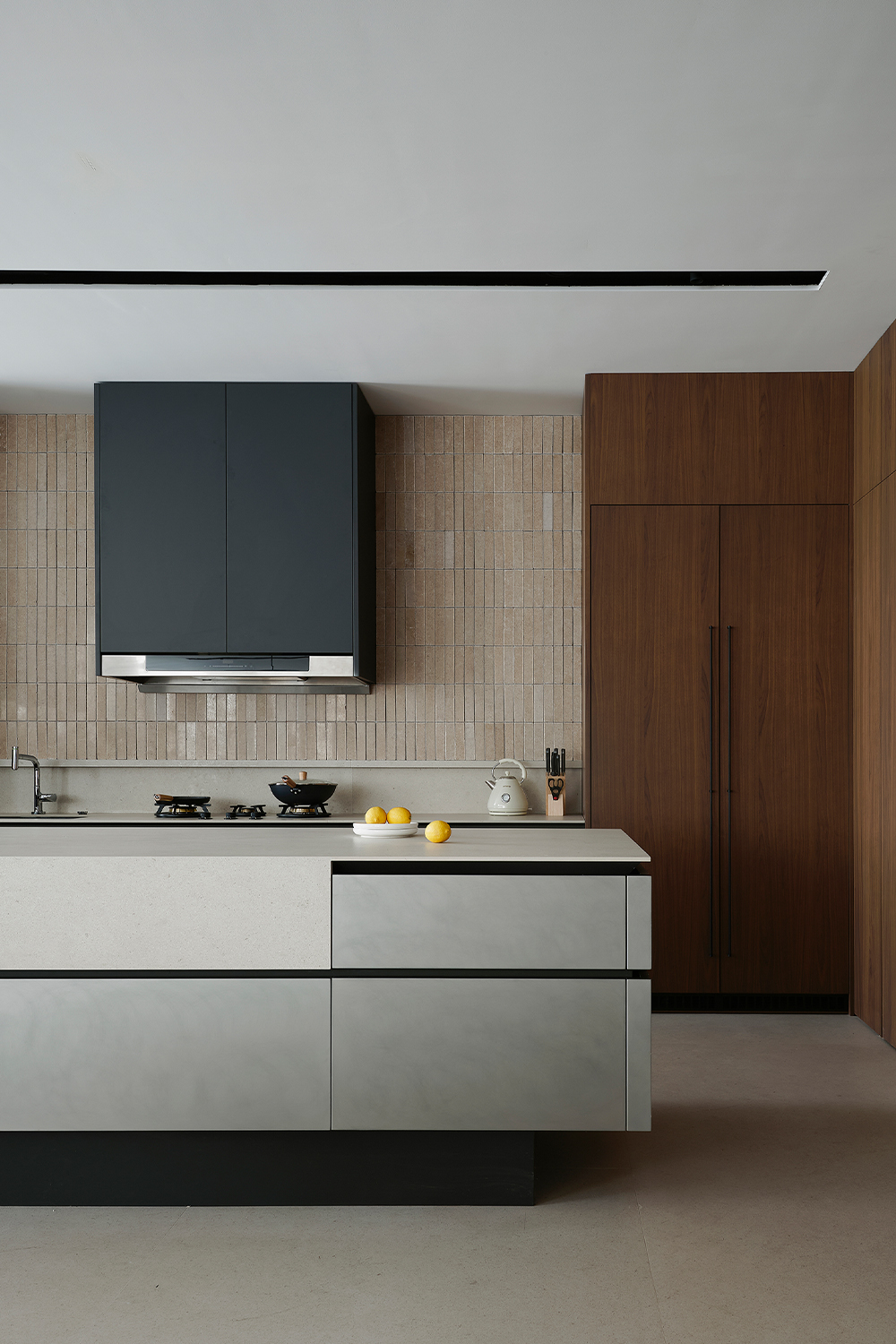
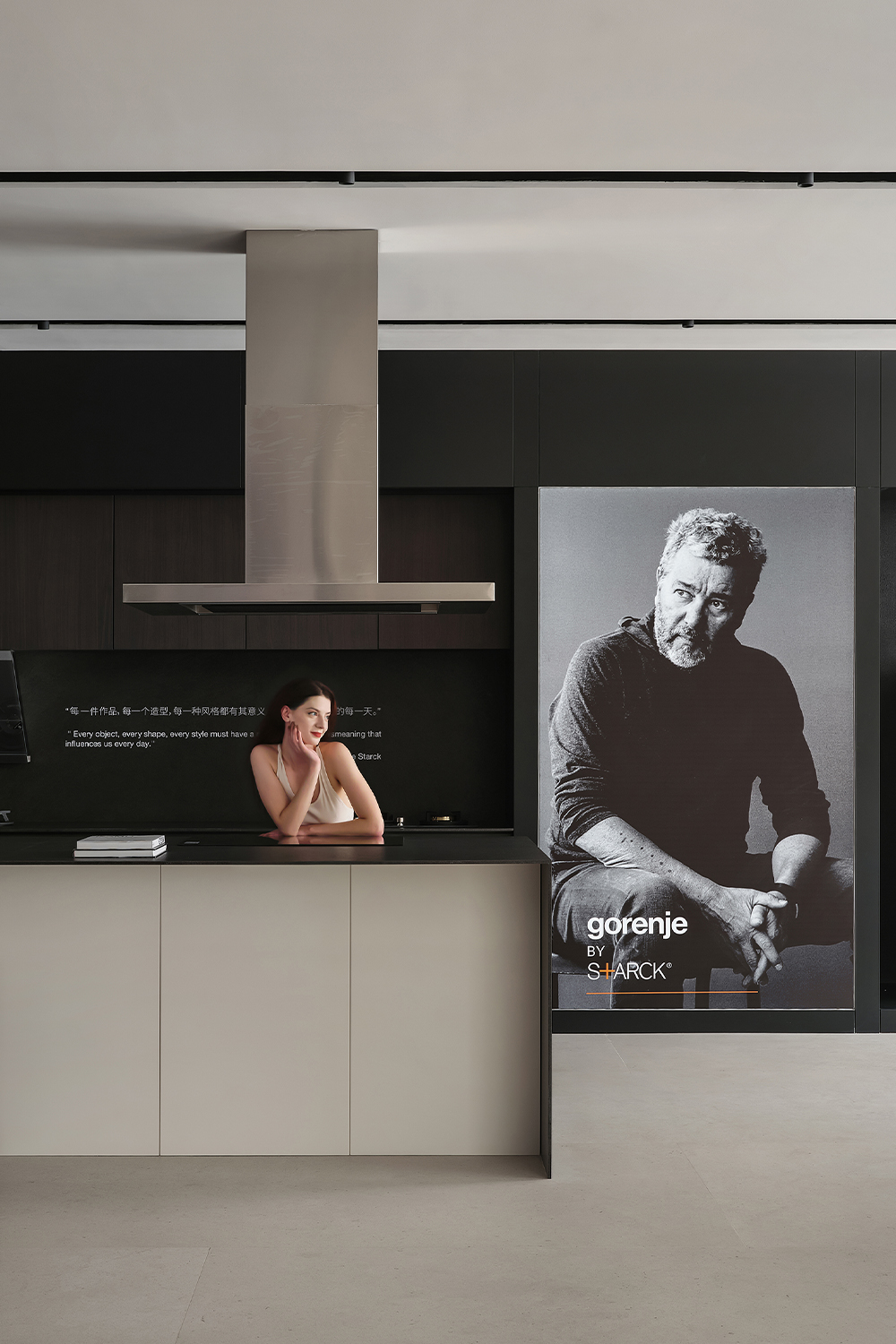
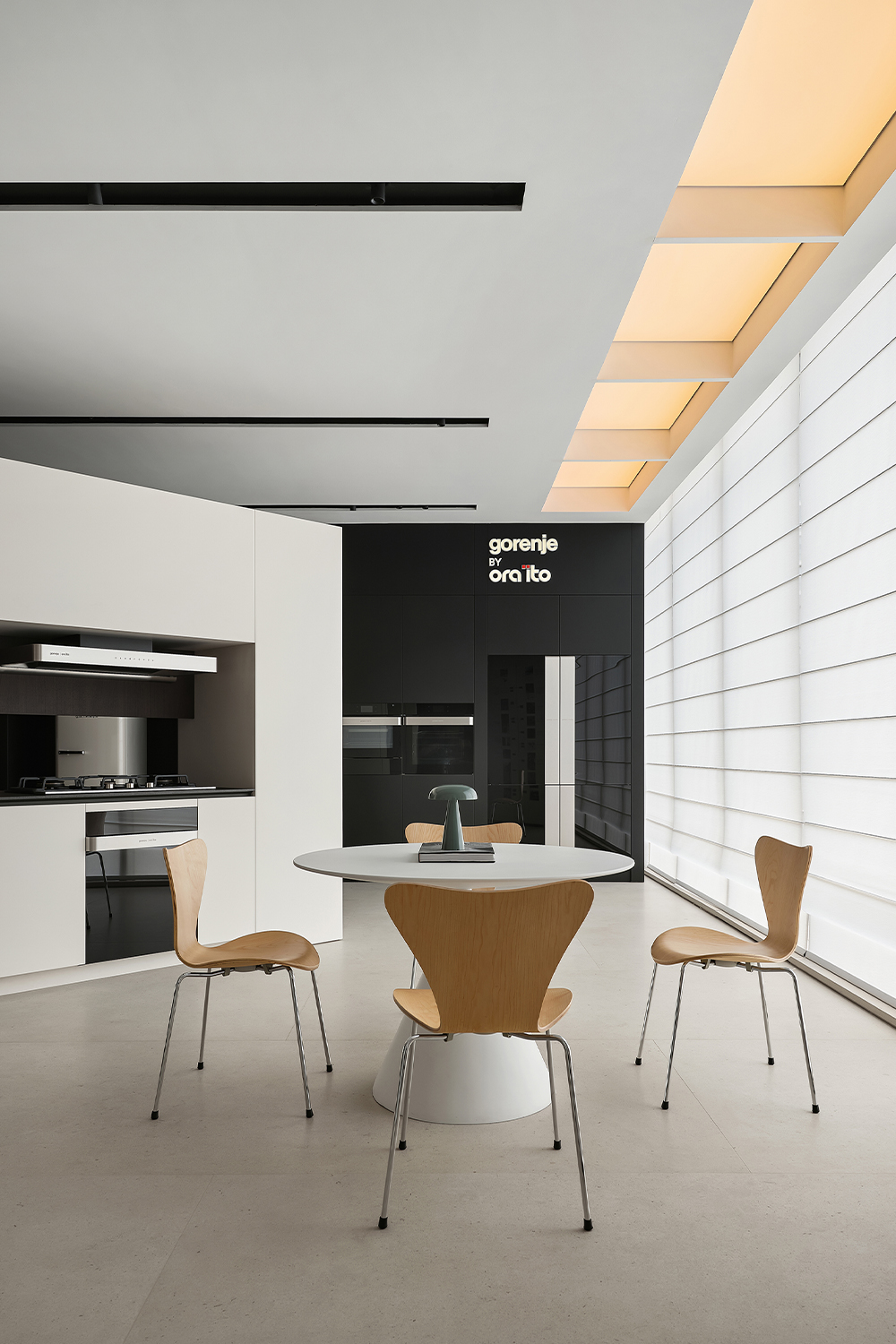
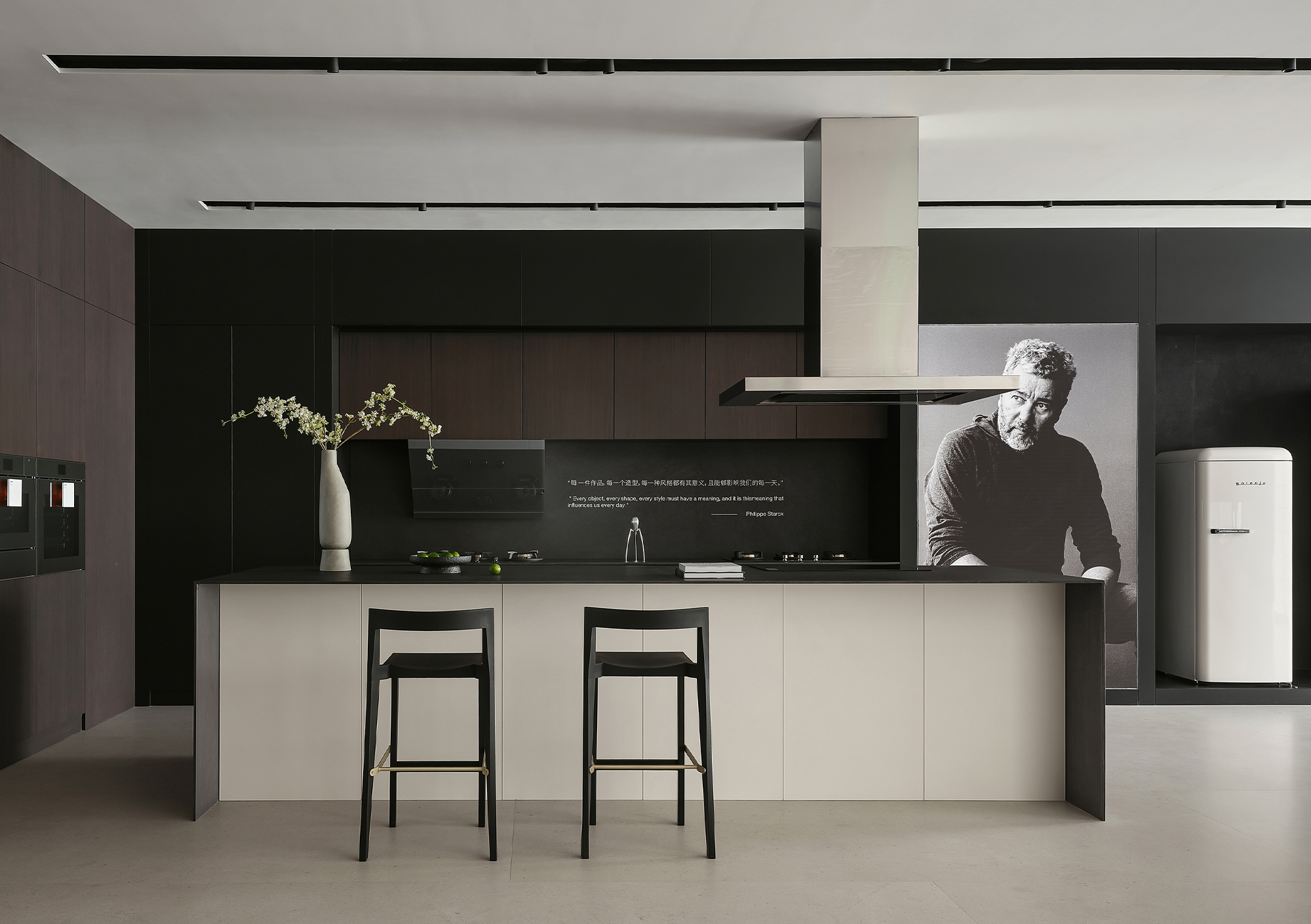
Entering the main space of the exhibition hall, the floor plan is ingeniously divided into two dimensions: Exhibition and Experience. The core product exhibition area adopts a display method of placing 45 ° shaped cabinets to break the static state, creating a sense of deviation in the visual movement and stimulating the desire to observe. Let the Starck series and Ora-Ïto series form a segmented dialogue, with black and white contrast bursting with tension on the facade, releasing the artistic quality of the product in rational composition, and making each household appliance break away from the role of a tool, more like a sculpture in daily life.

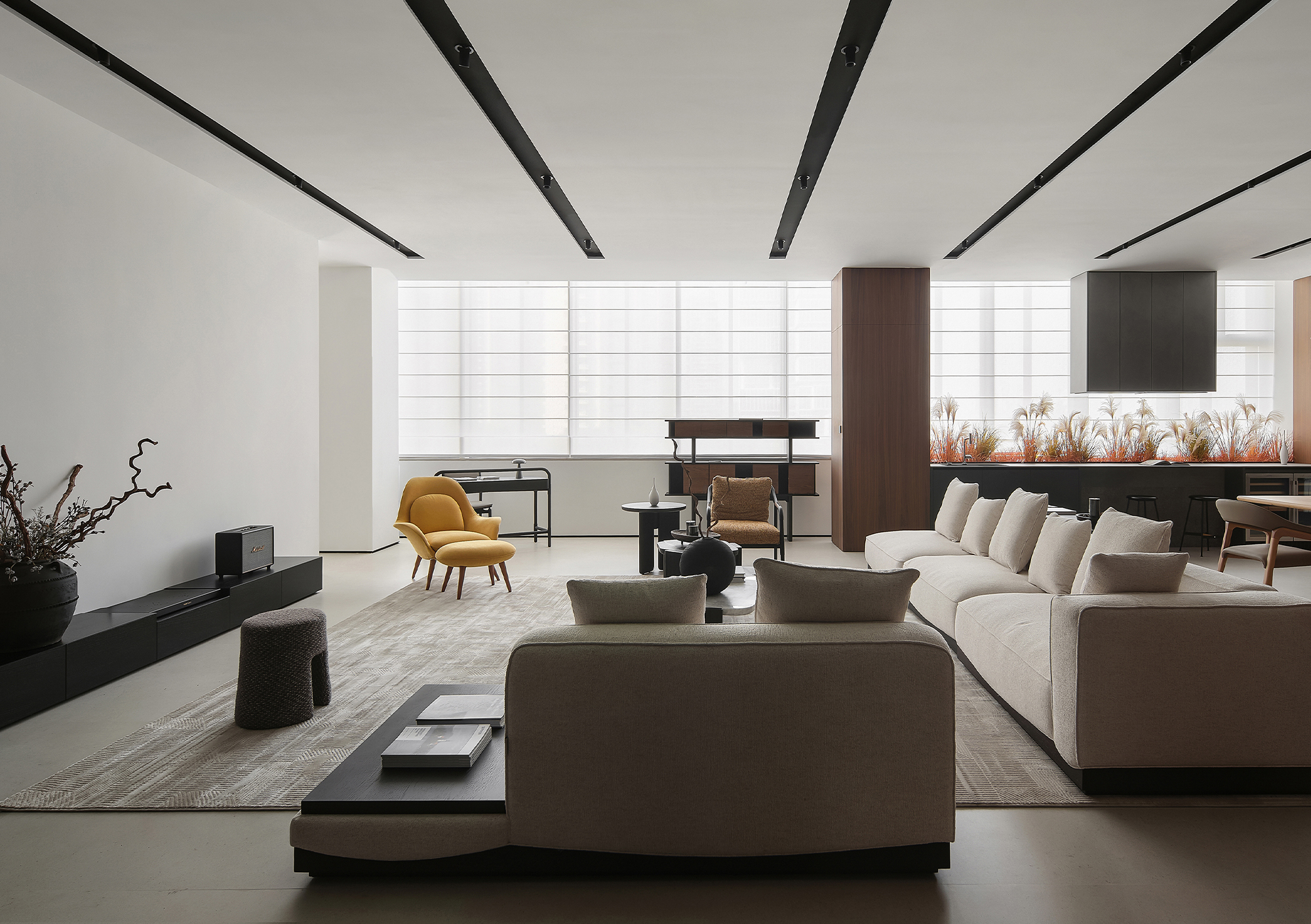
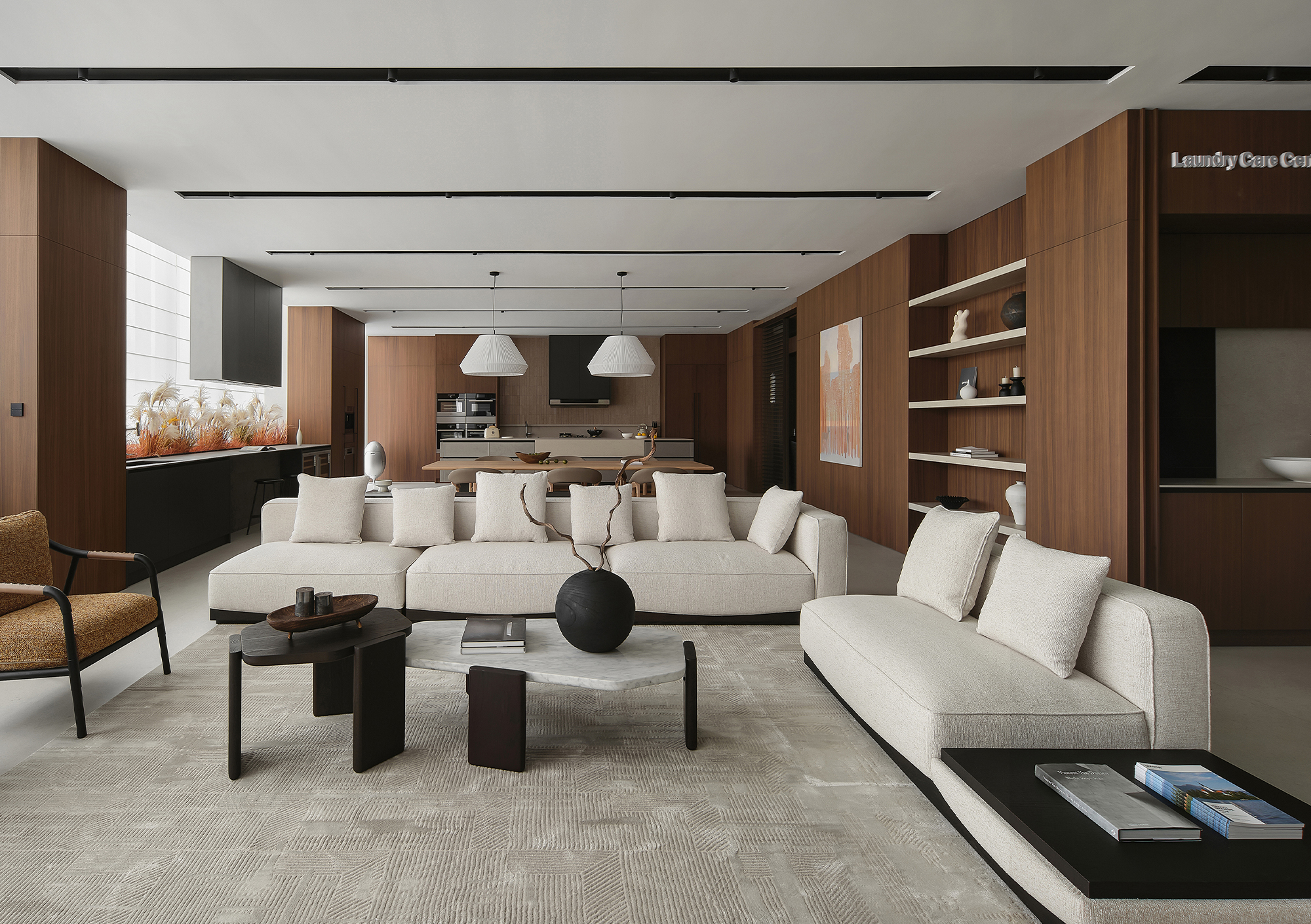
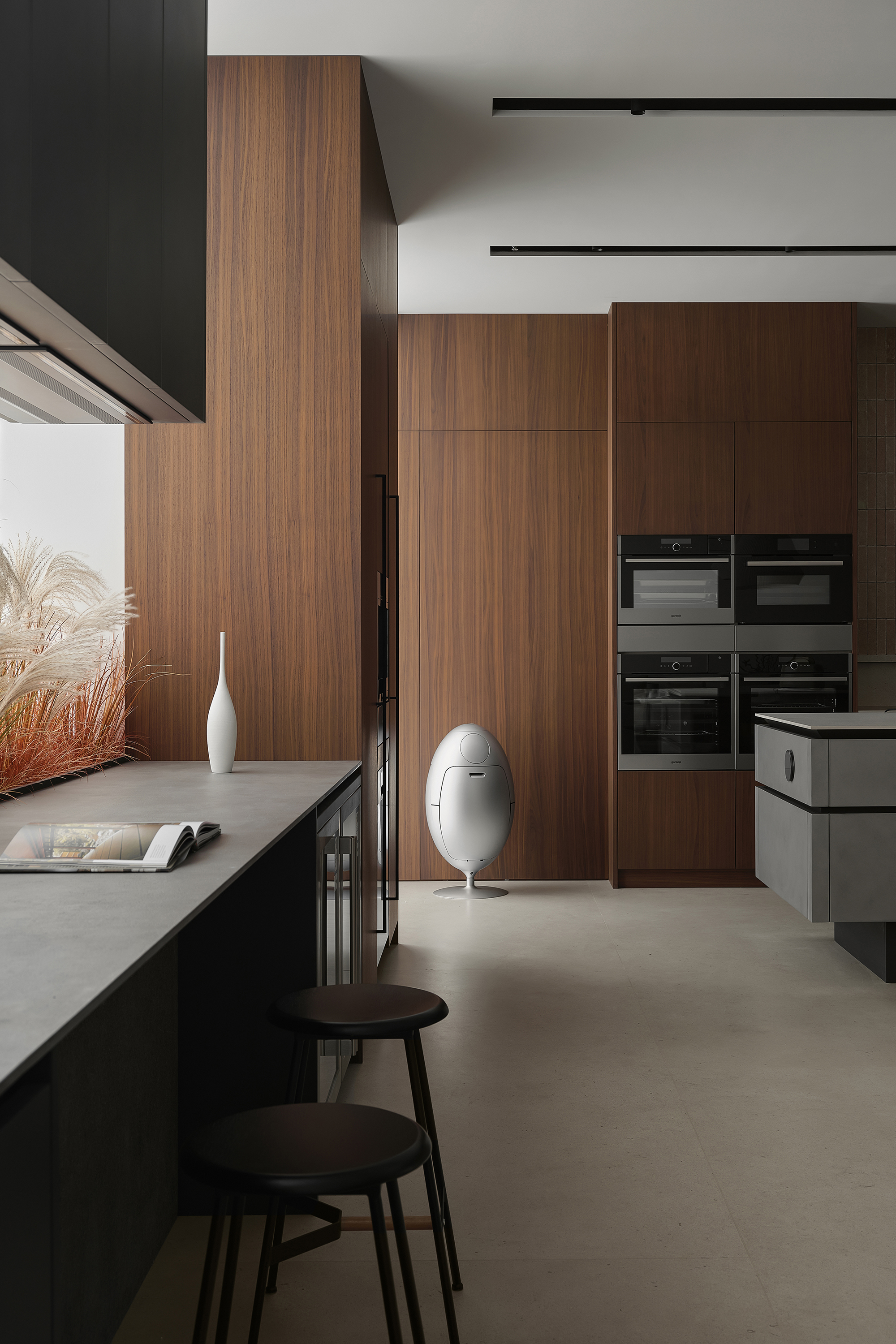
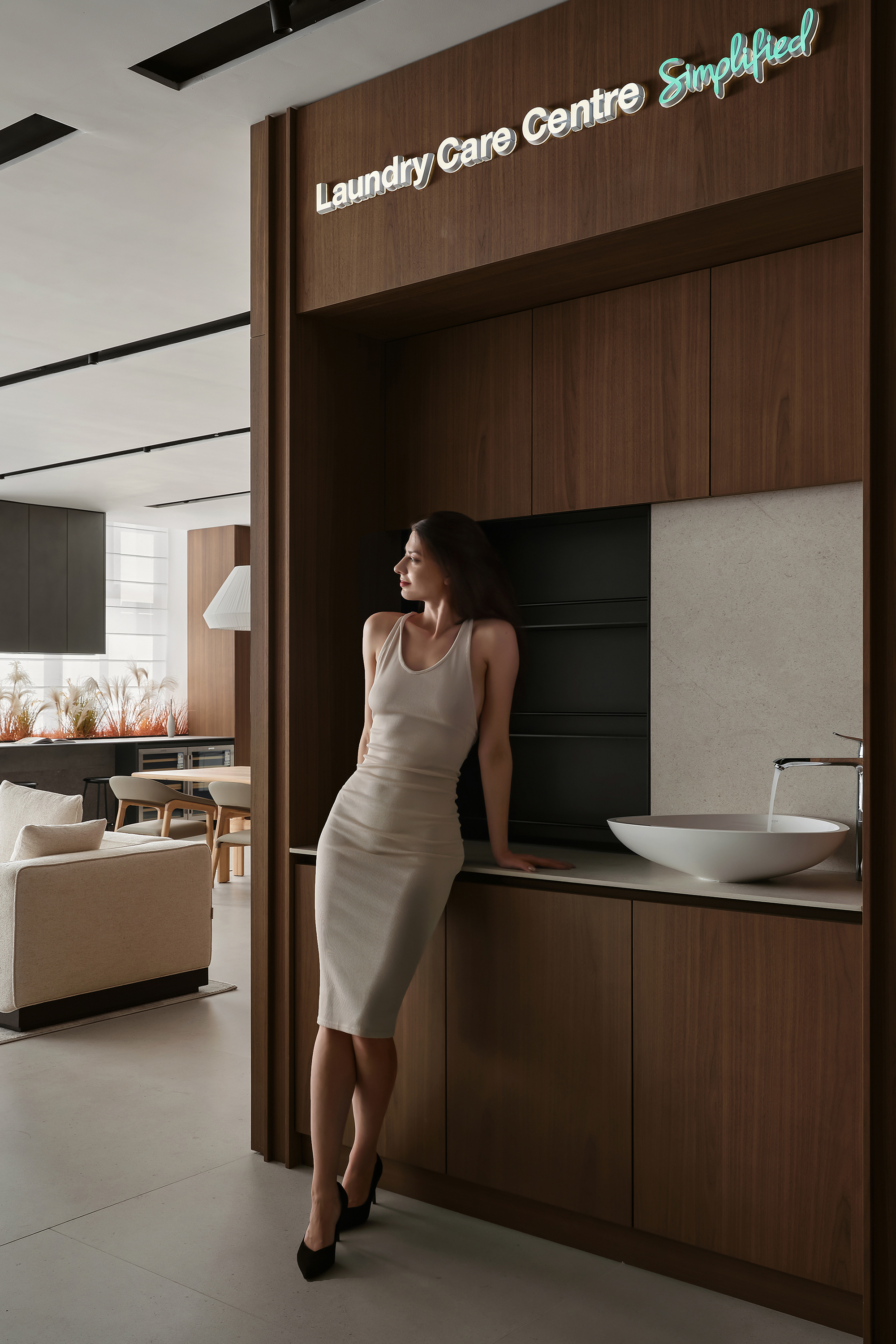
The texture of handmade bricks and the softness of fabrics together create a tactile "sense of closeness". At this point, the dominant force in space is no longer the product, but rather the person sitting, walking, touching, and imagining within it, thus truly creating an emotional connection with the brand. Especially noteworthy is the extensive use of dry reeds in some areas, which are more narrative than decorative, as they quietly implant the image of the shore of Lake Brad into the city of Nanjing, becoming a sensory bridge between the origin of the brand and the present.
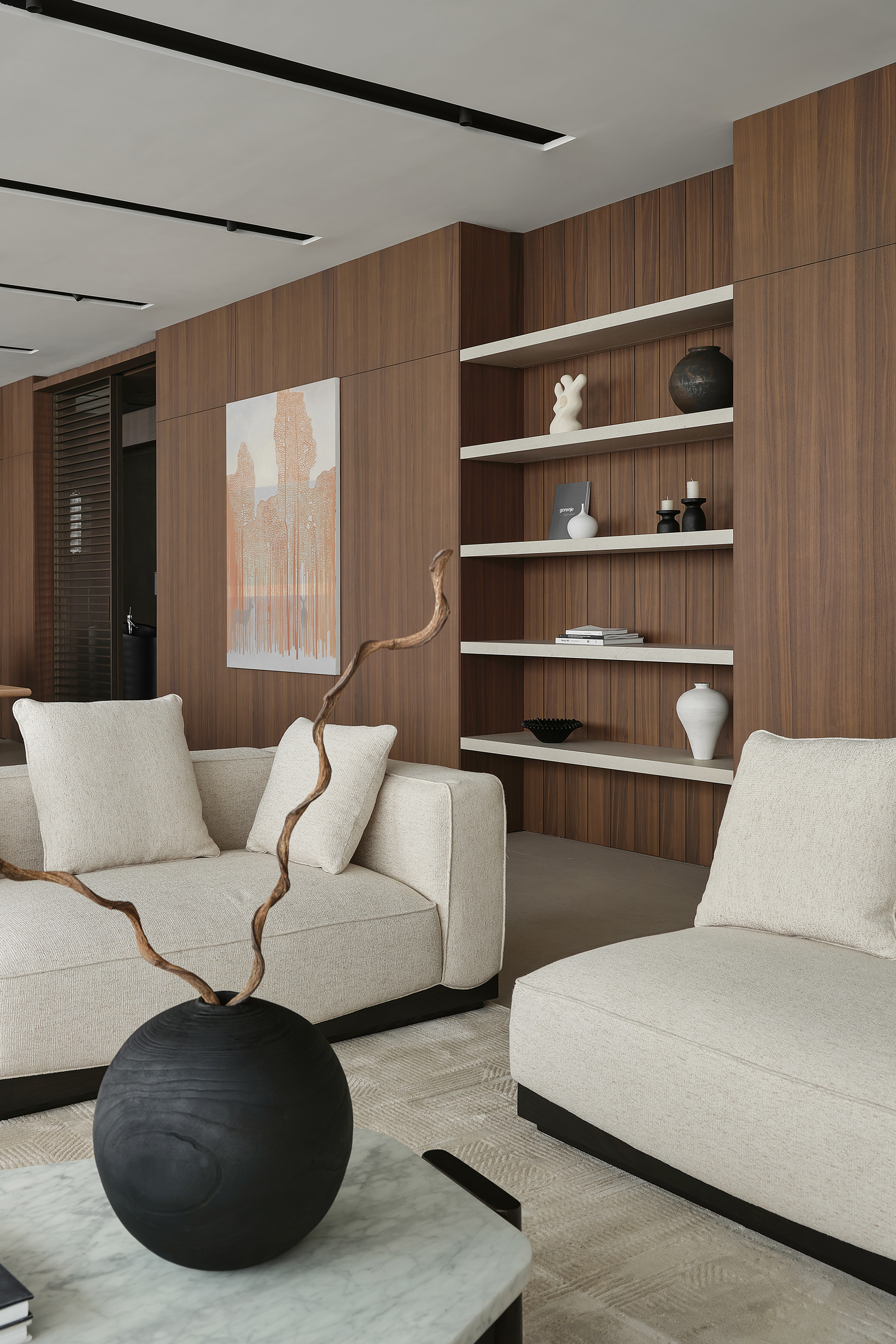
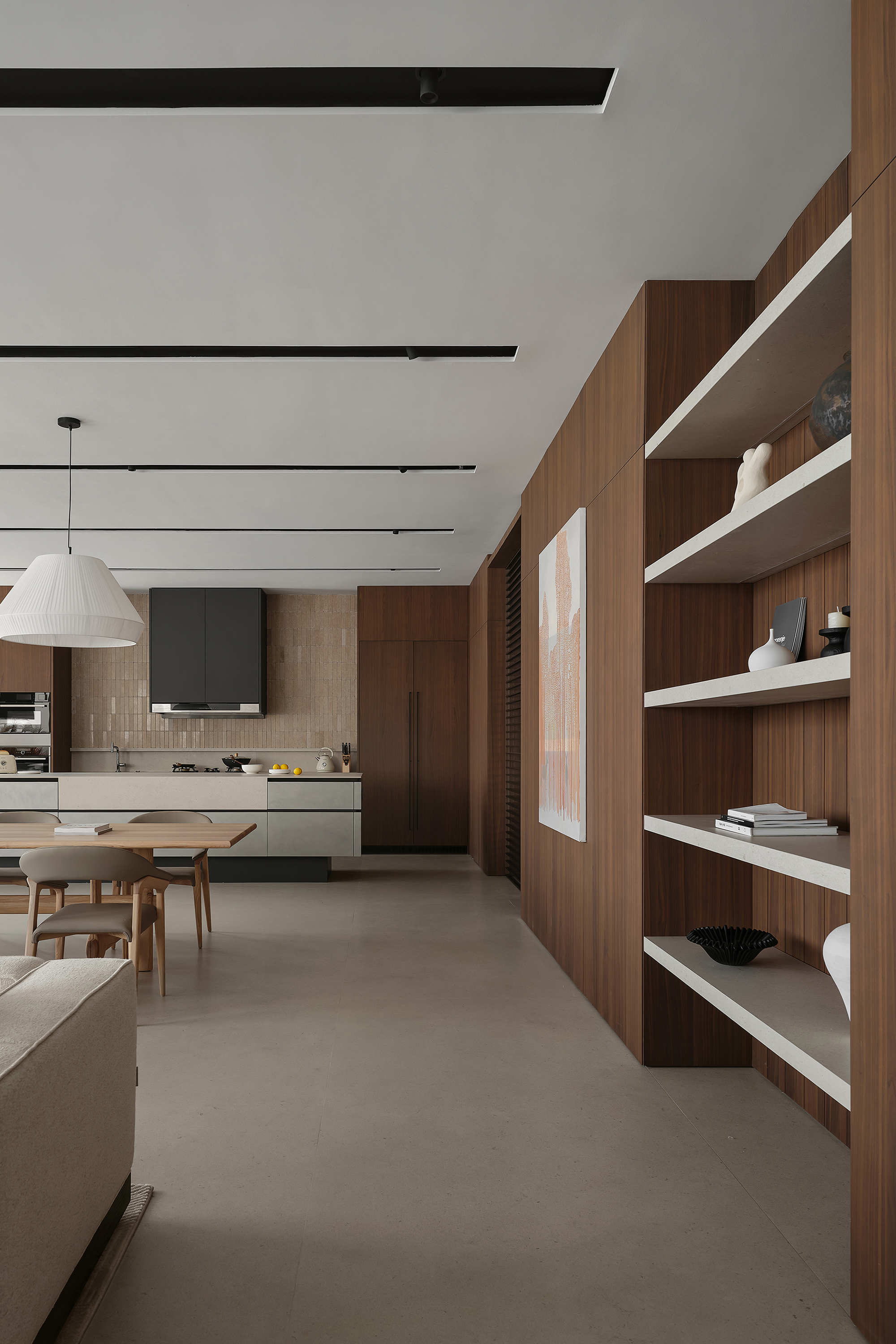
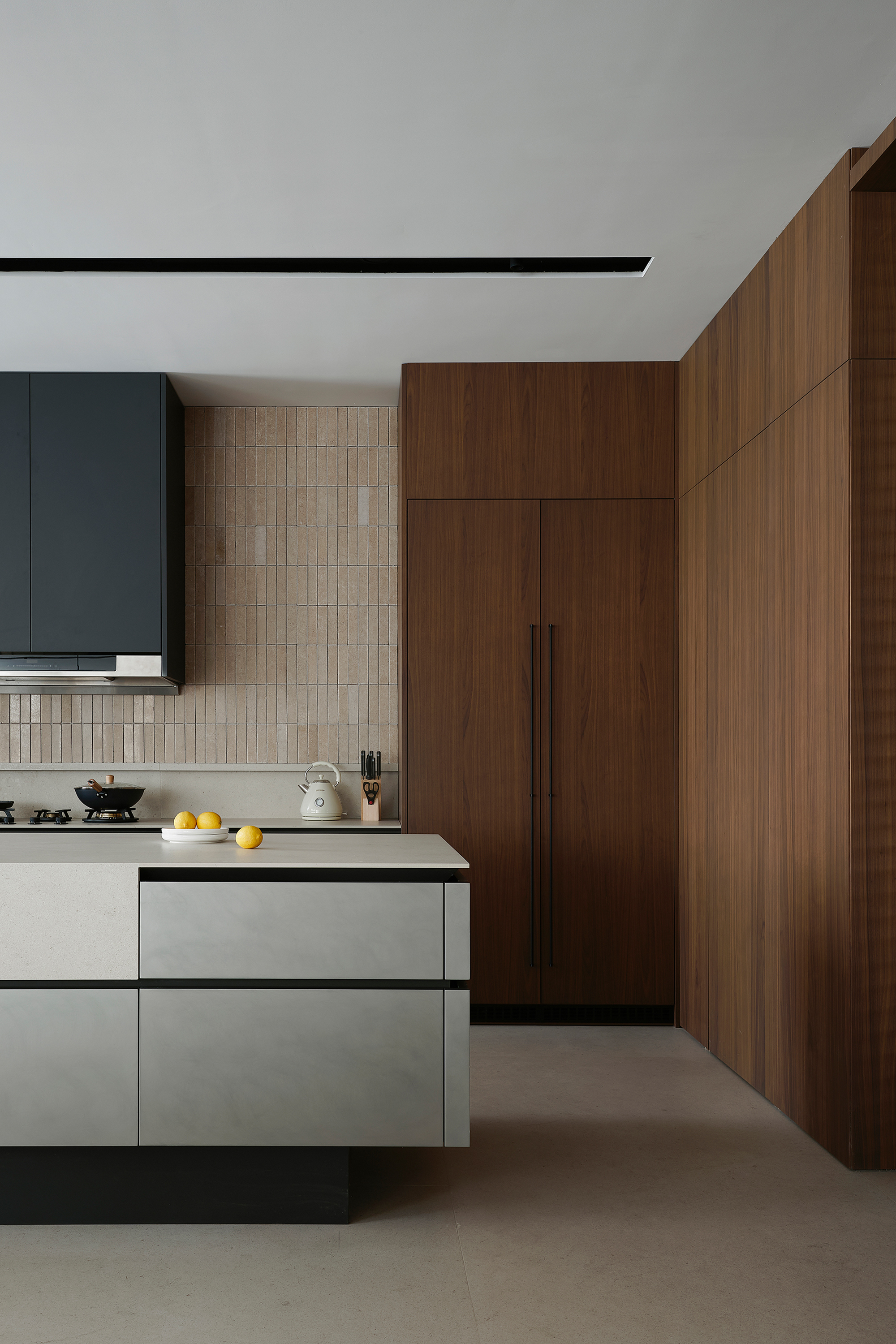
The control of light is almost invisible throughout the entire space: The lighting fixtures are hidden outside the line of sight, and the light source creates a gentle layer through refraction and reflection, creating an unintentional sense of tranquility. In terms of color strategy, the main color is dark-toned black and gray, interspersed with yellow, white, and gold color segments, injecting a sense of jumping in tranquility and enhancing the breathing rhythm of the space. The gorenje Nanjing Exhibition Hall is not only a deep dialogue between products and users, but also a practice of spatial language. By establishing "traces" as the rhythmic unit of space, precise control over the flow and emotions can be achieved. Space is no longer a container but a "living medium" that connects products with people, as well as brand spirit with real life.
公开 不公开