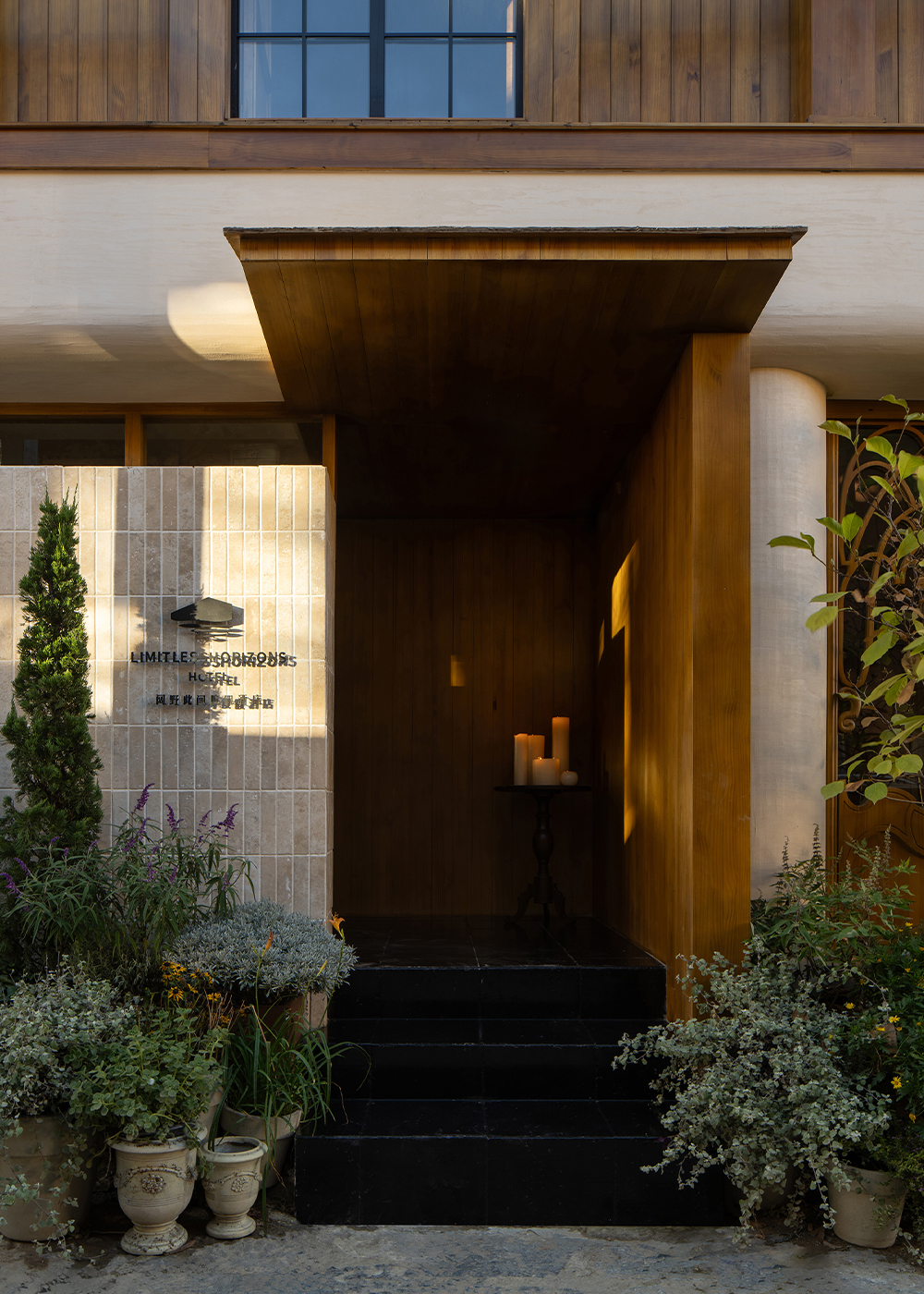
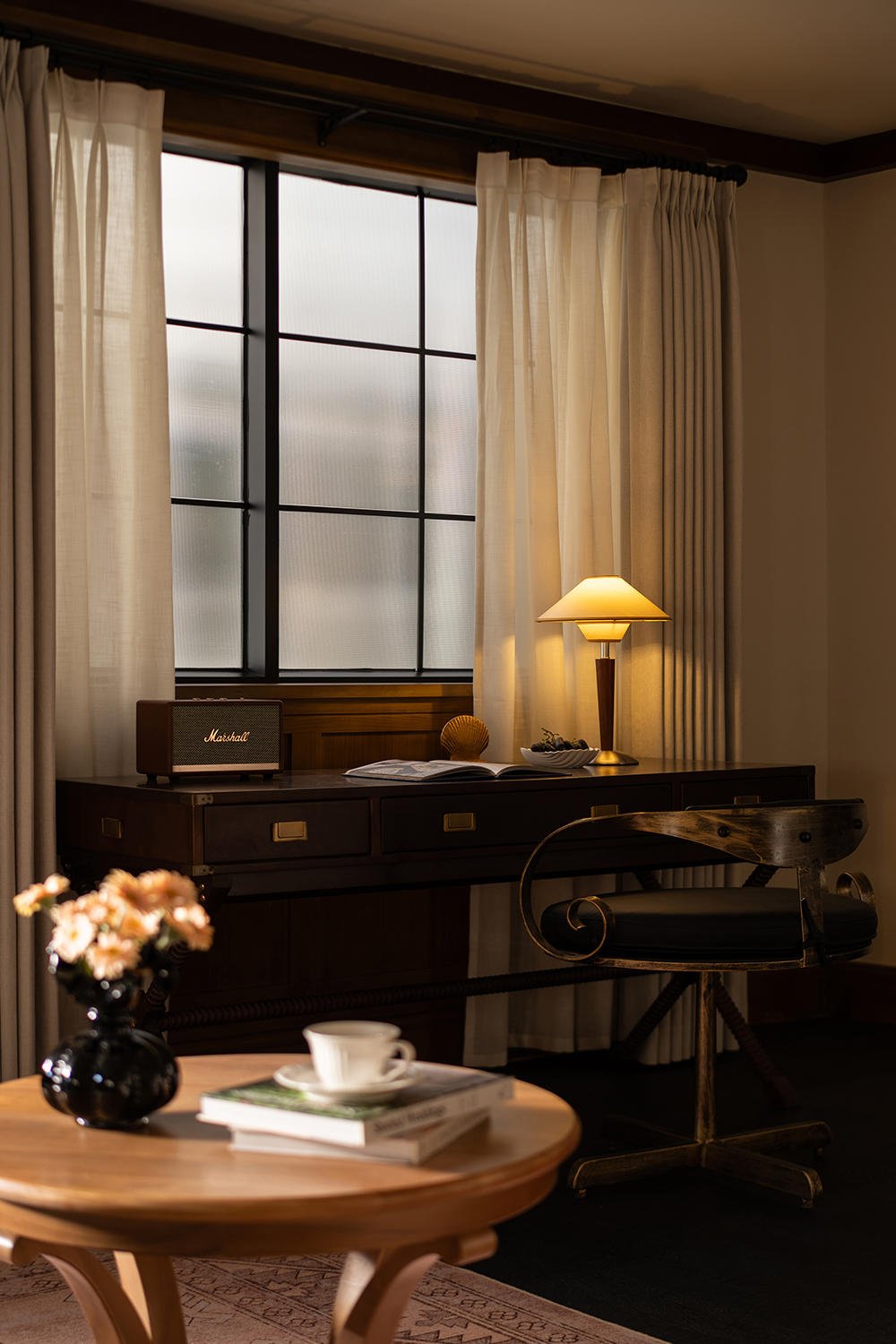
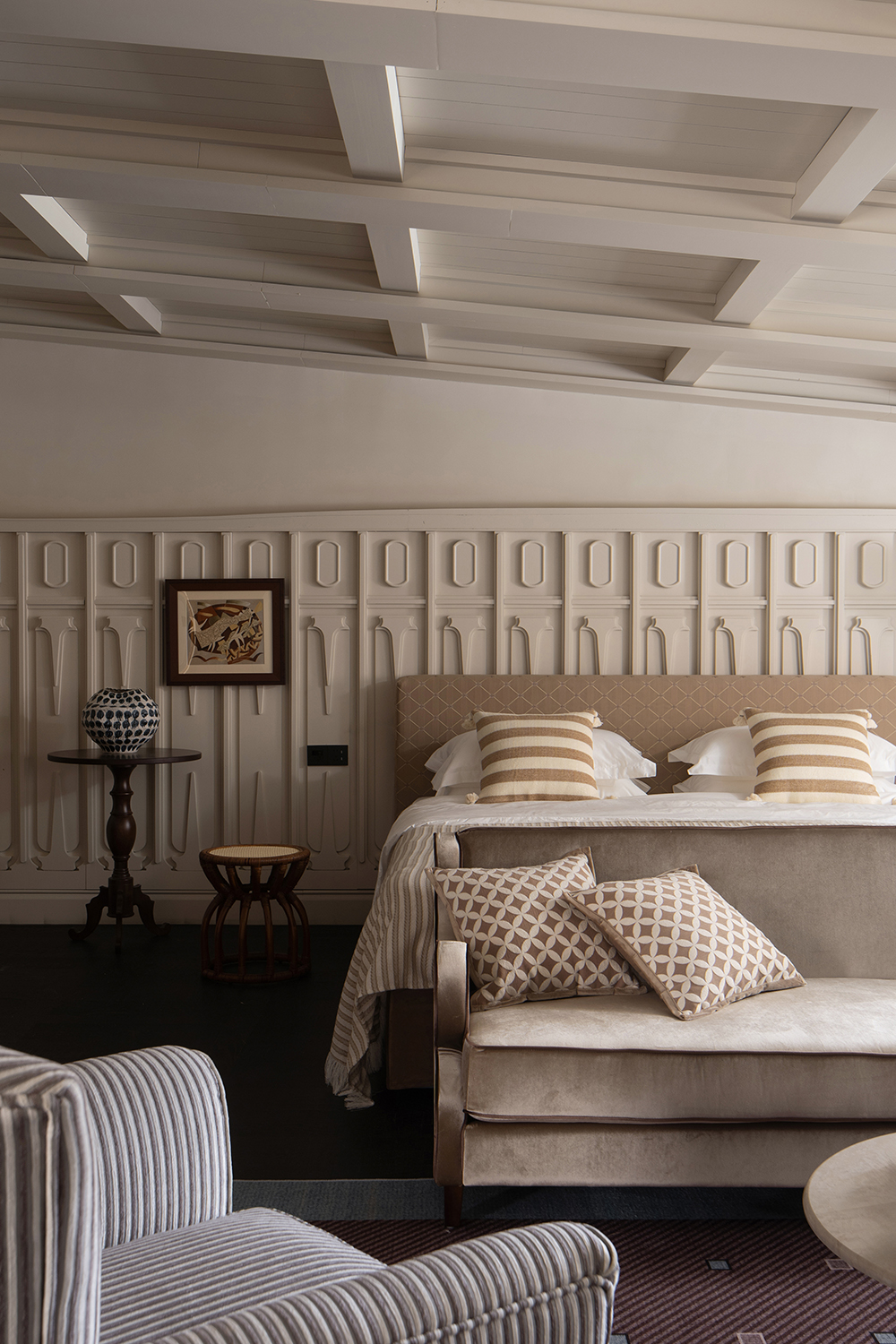
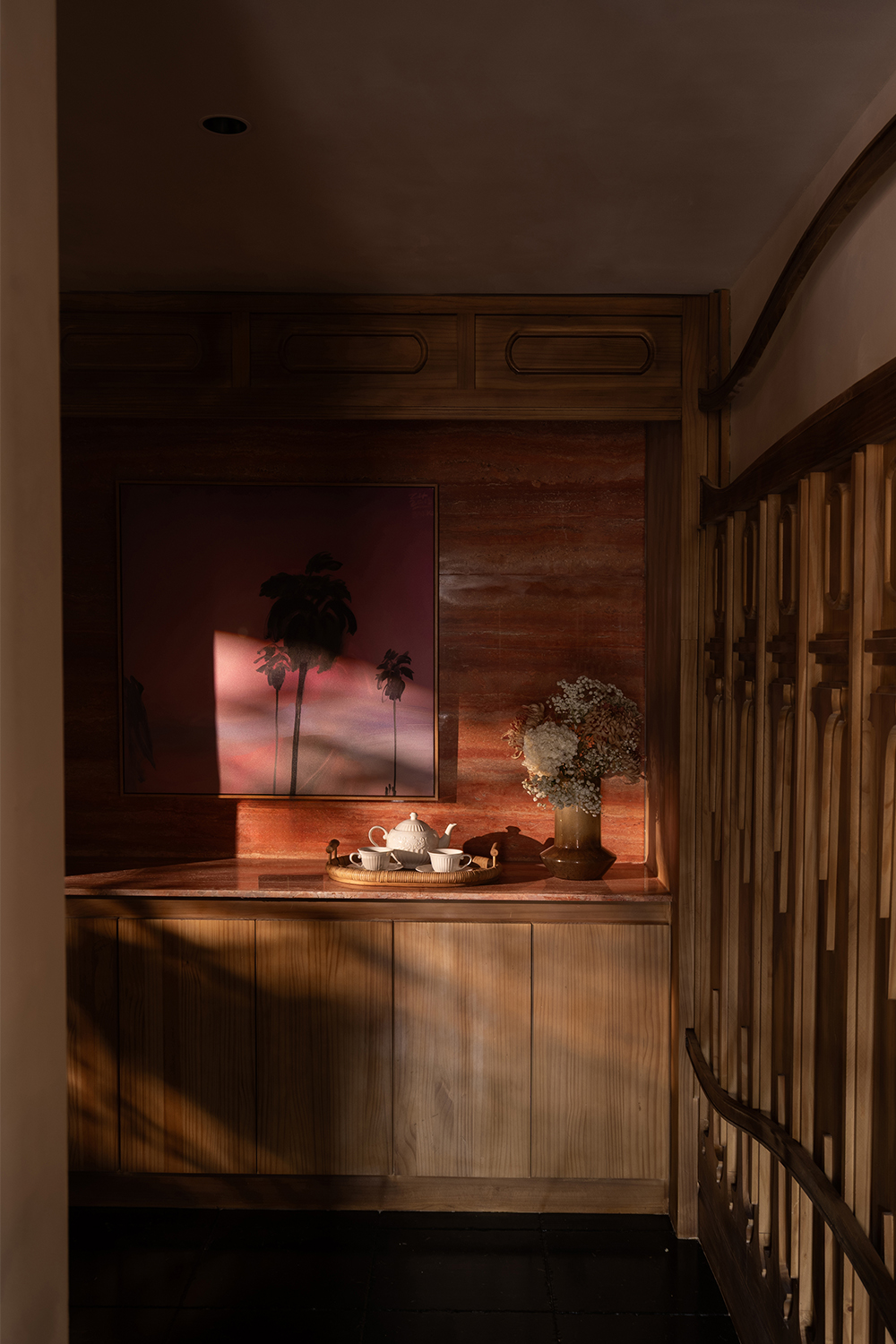
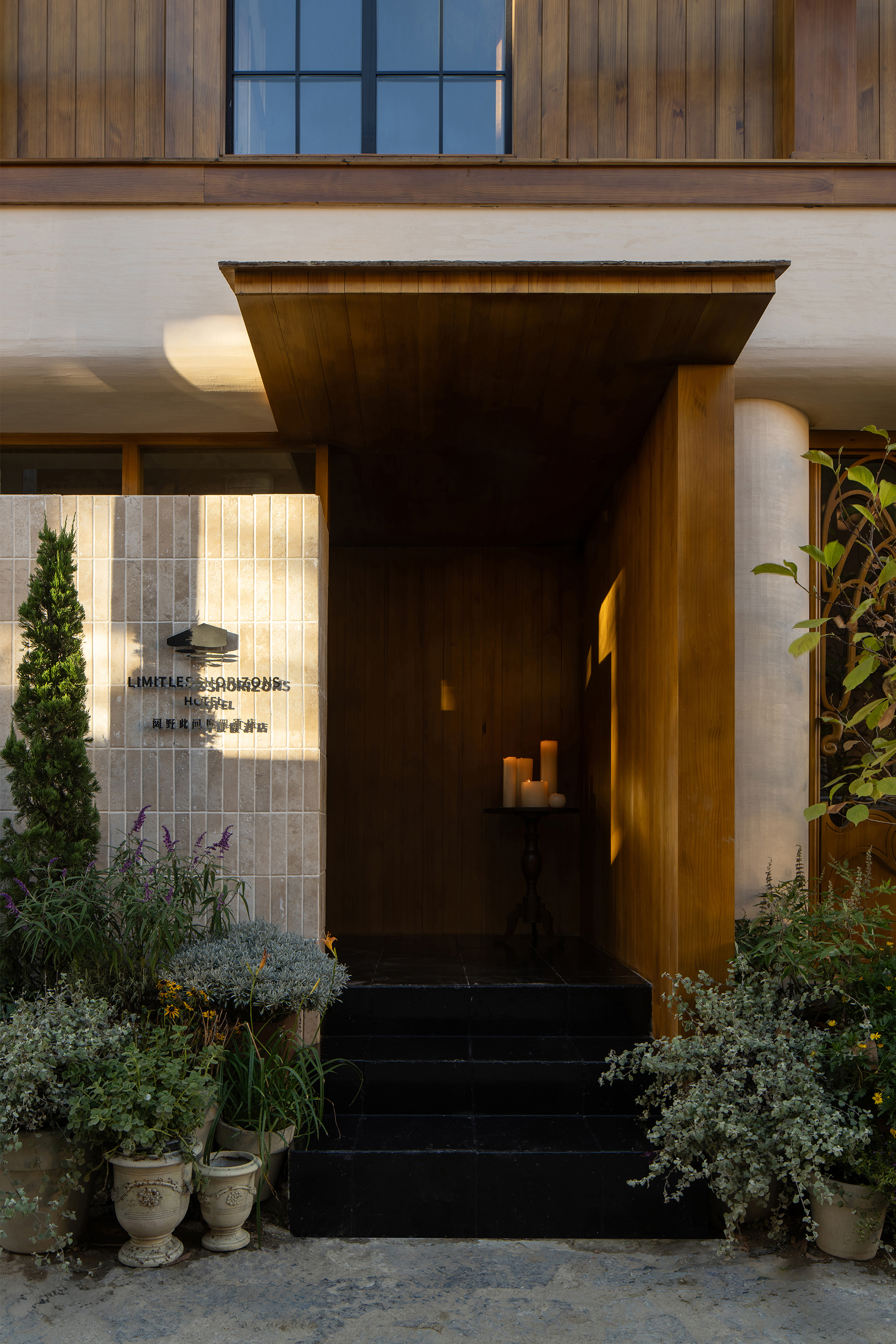
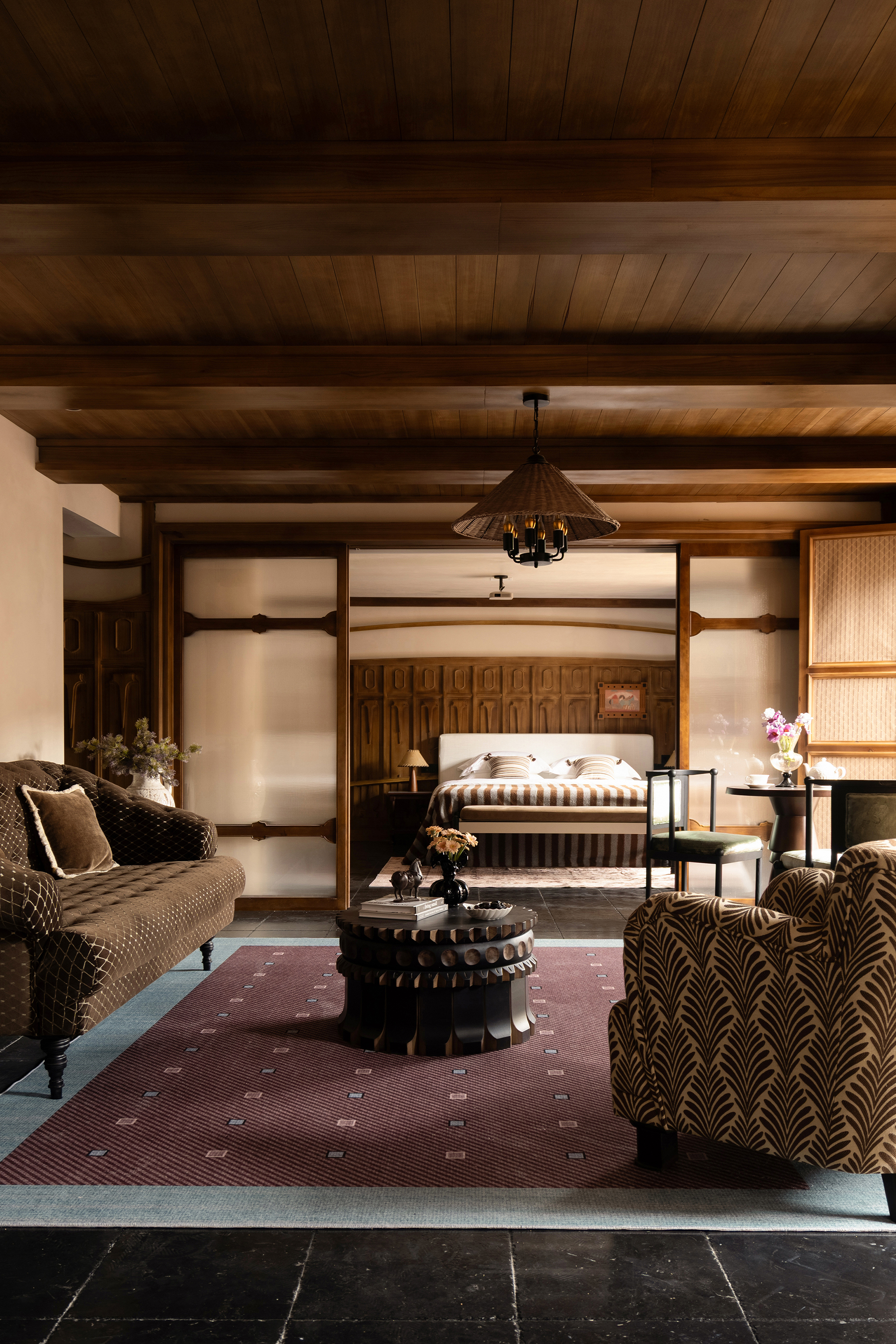
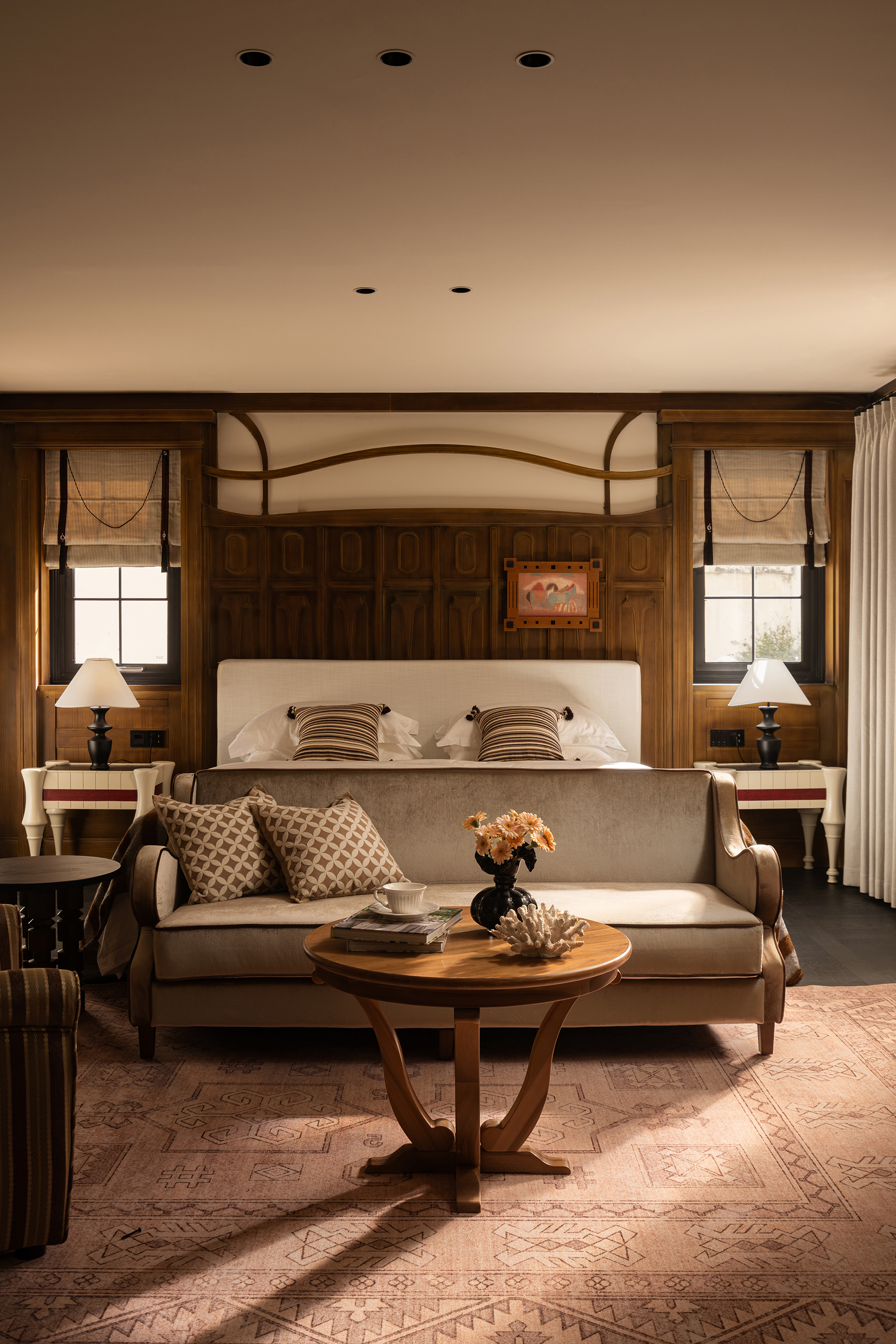
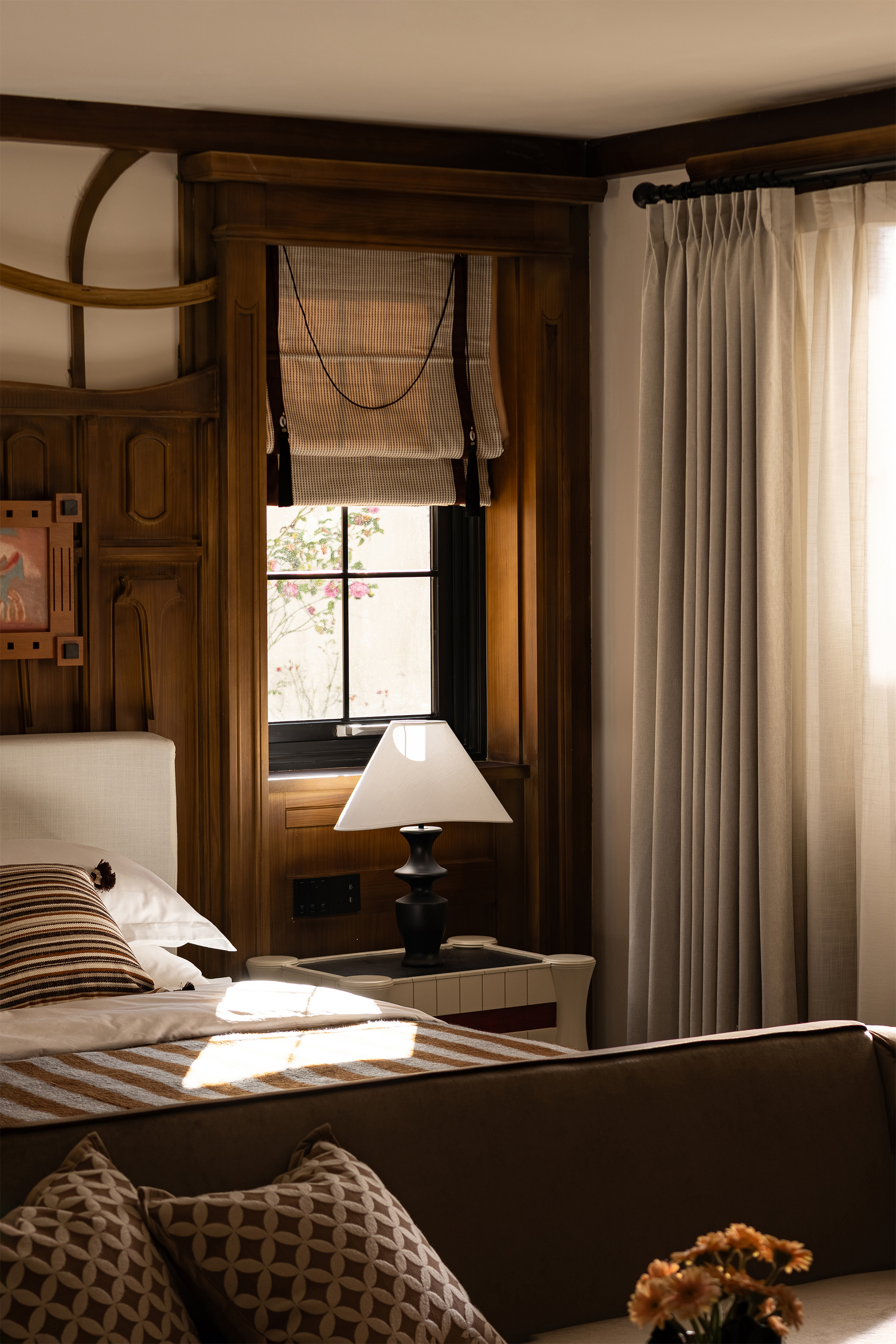
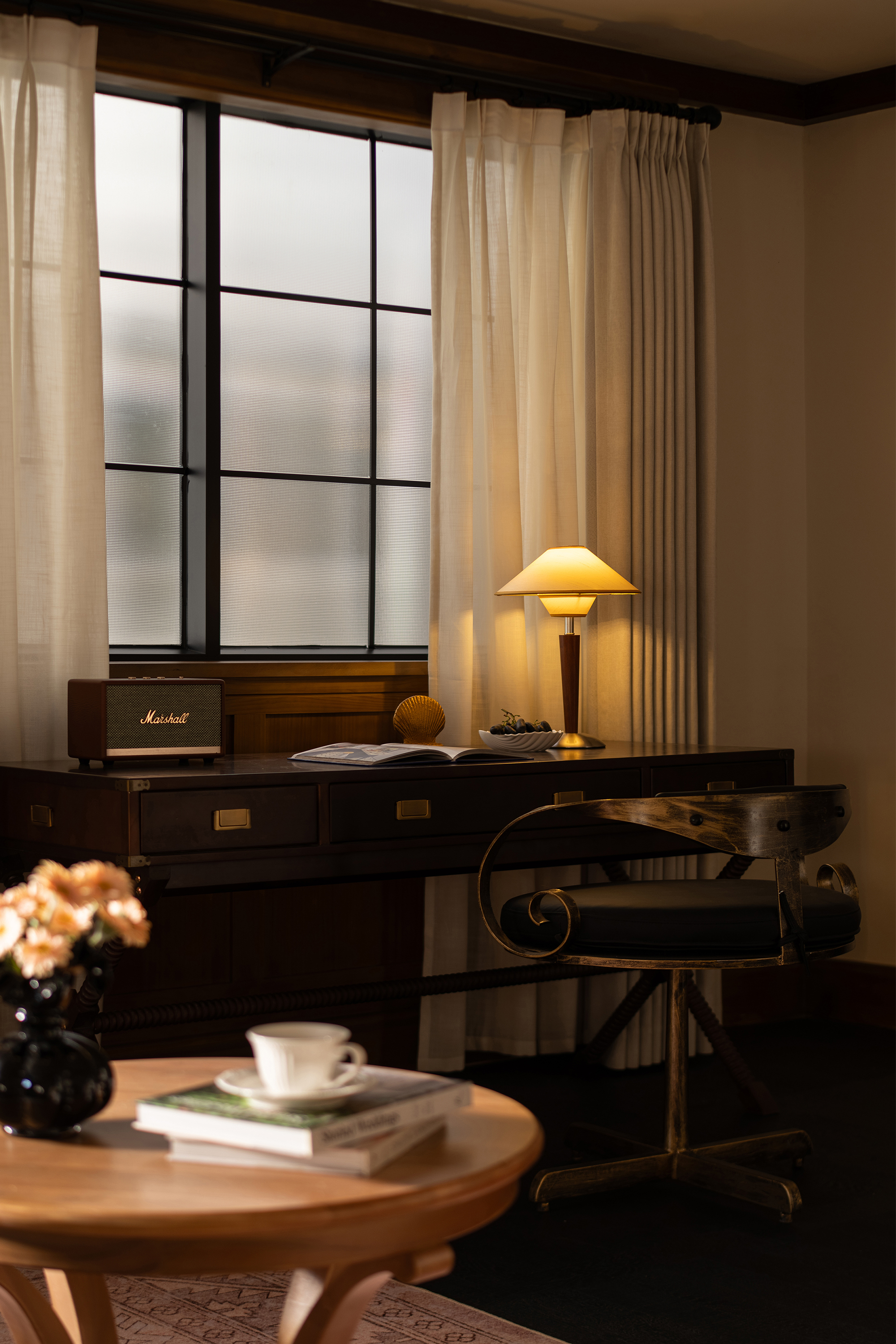
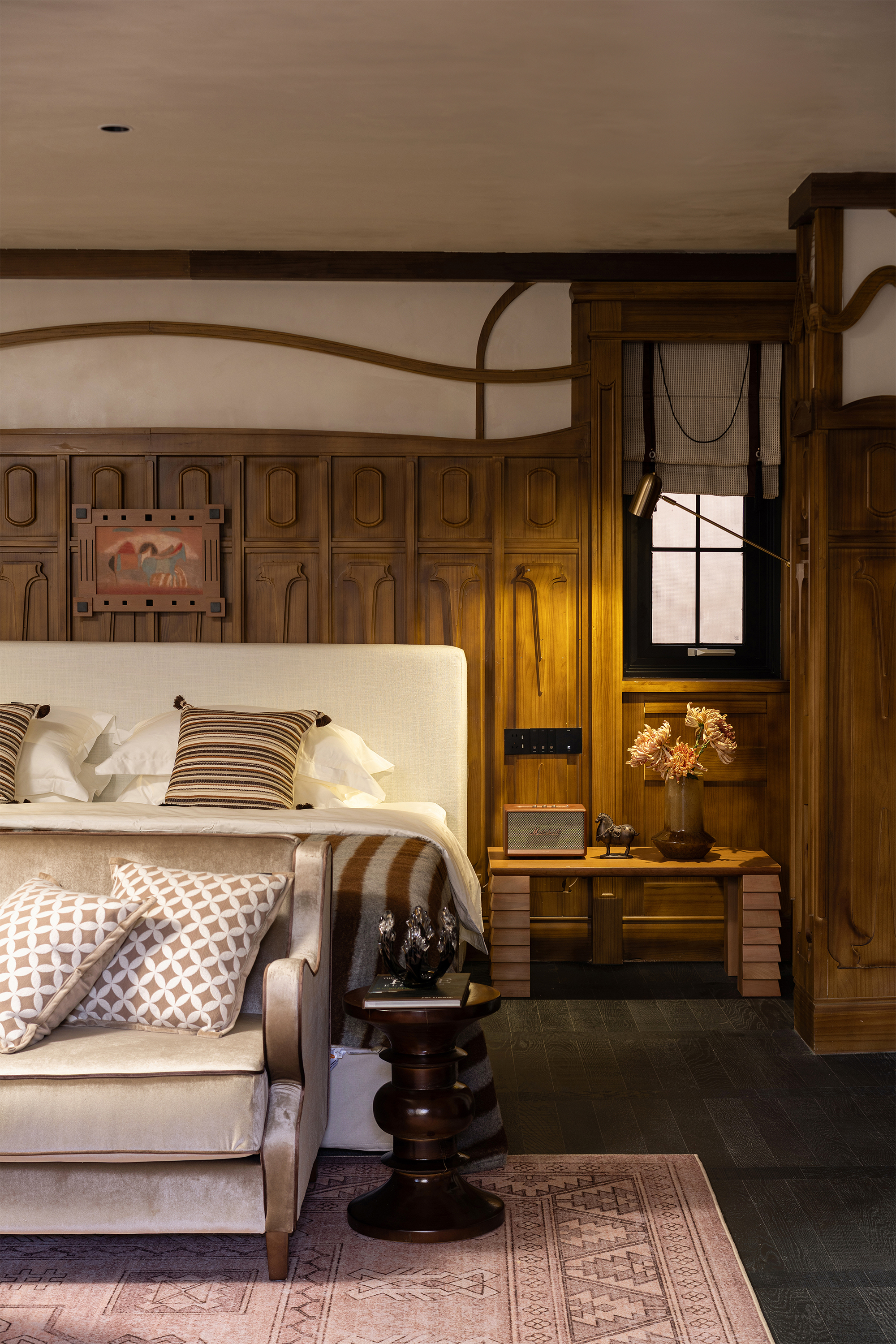
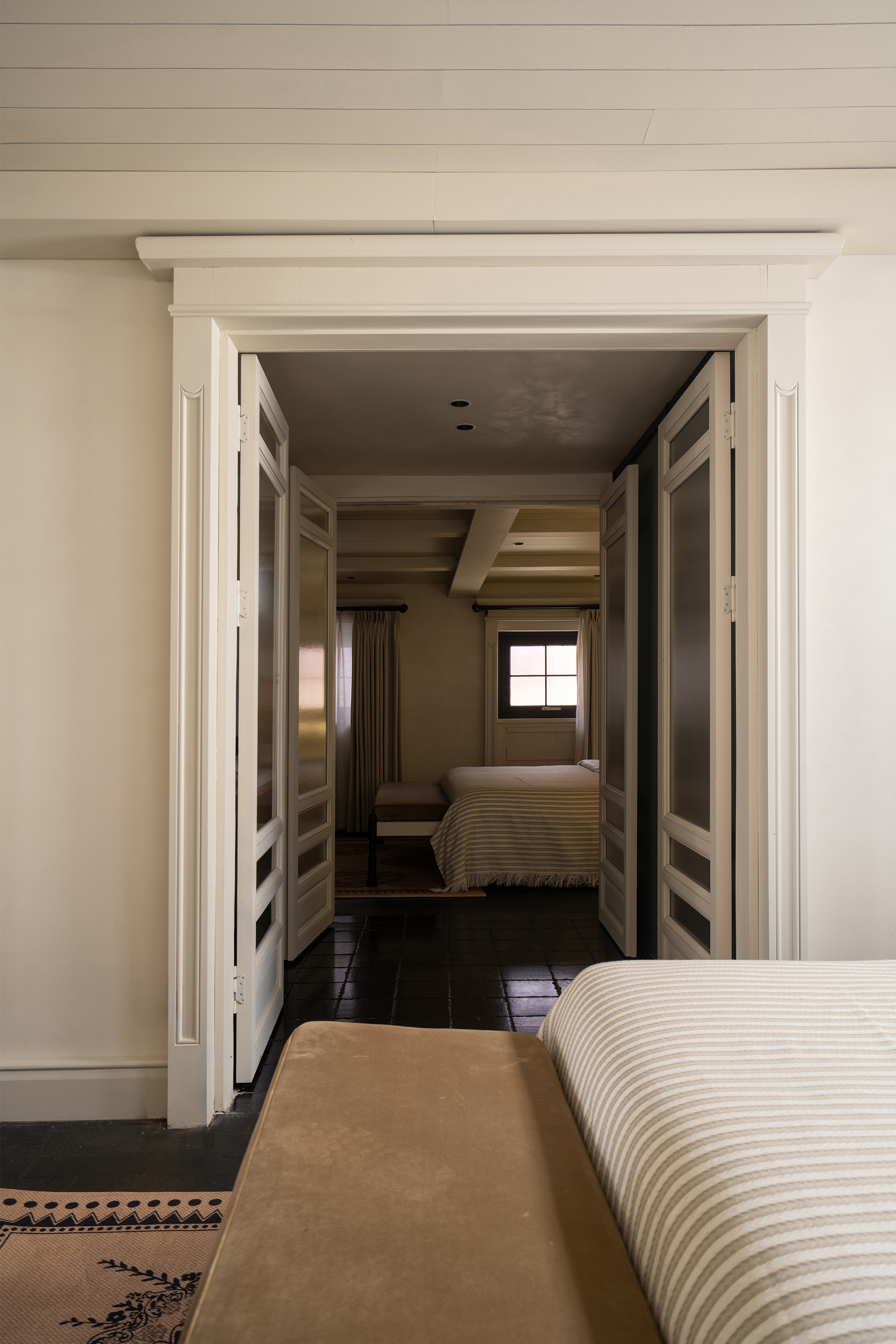
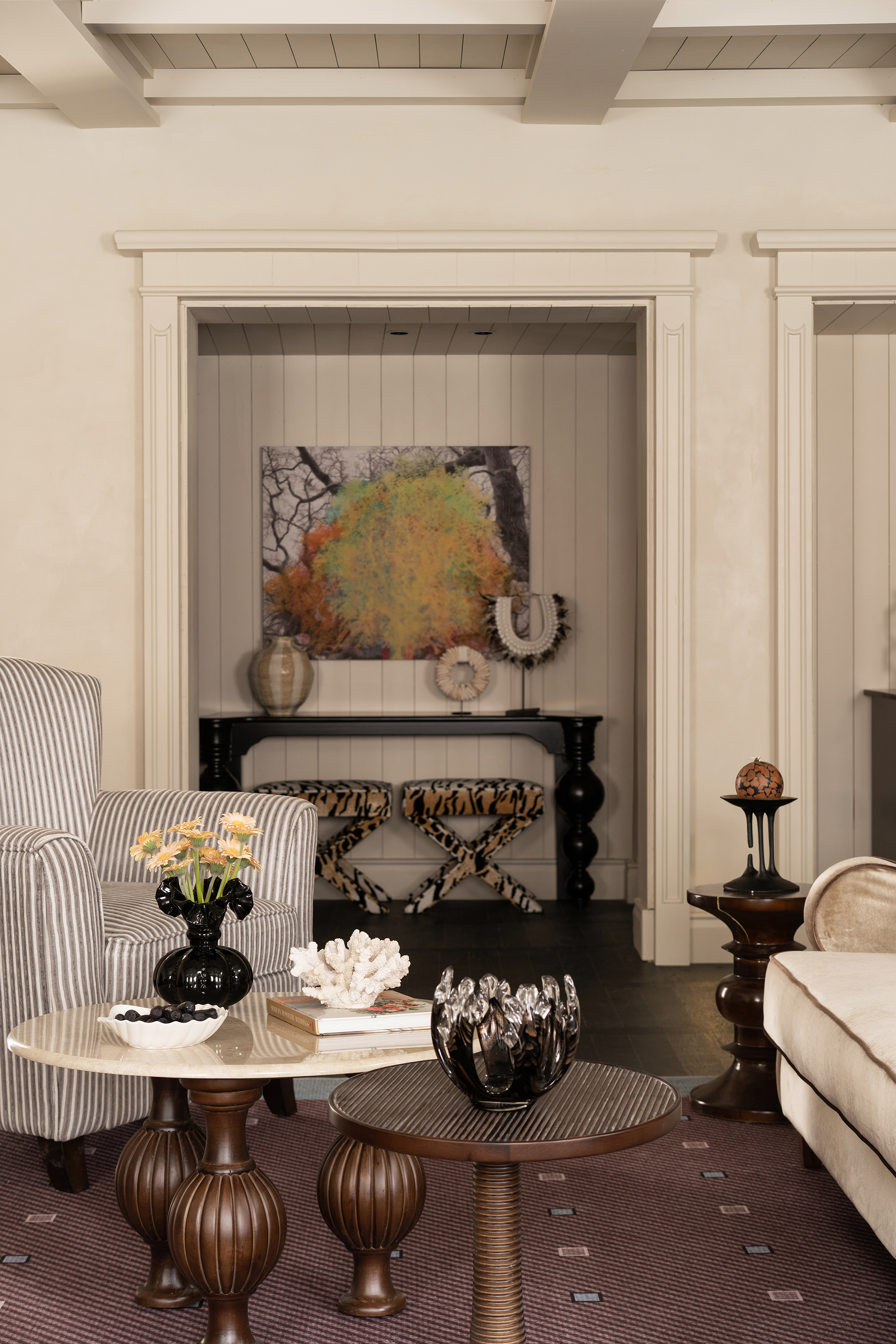
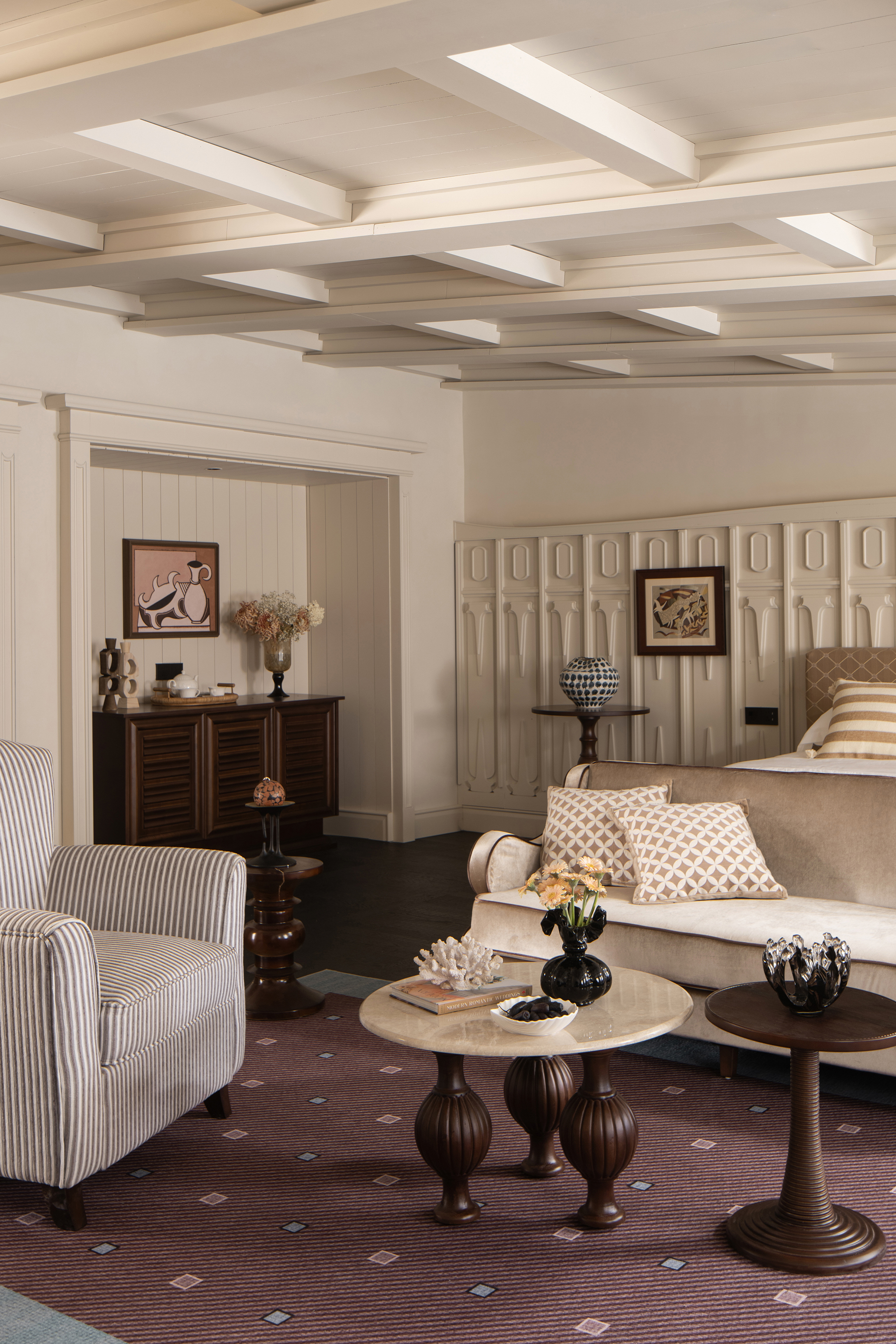
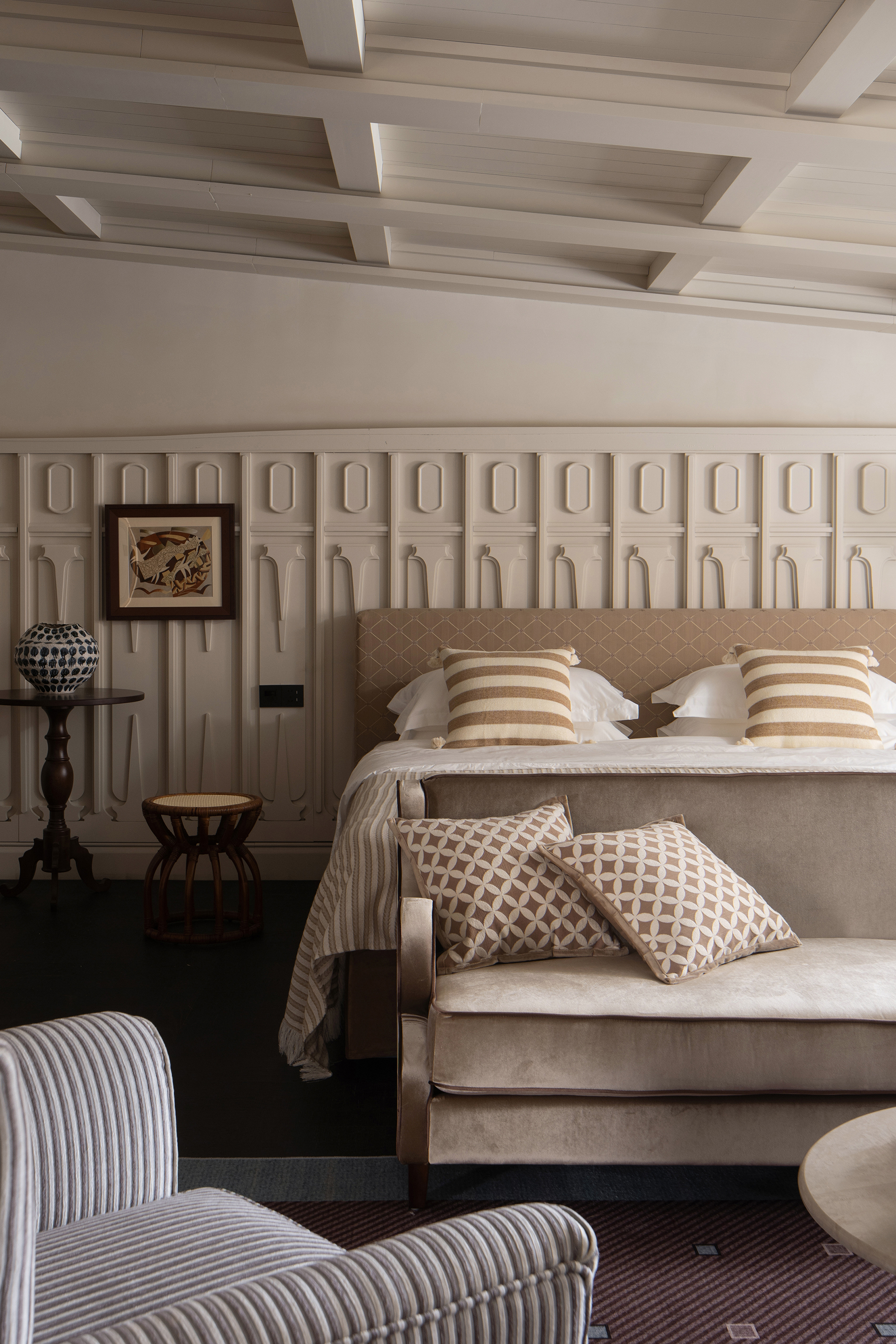
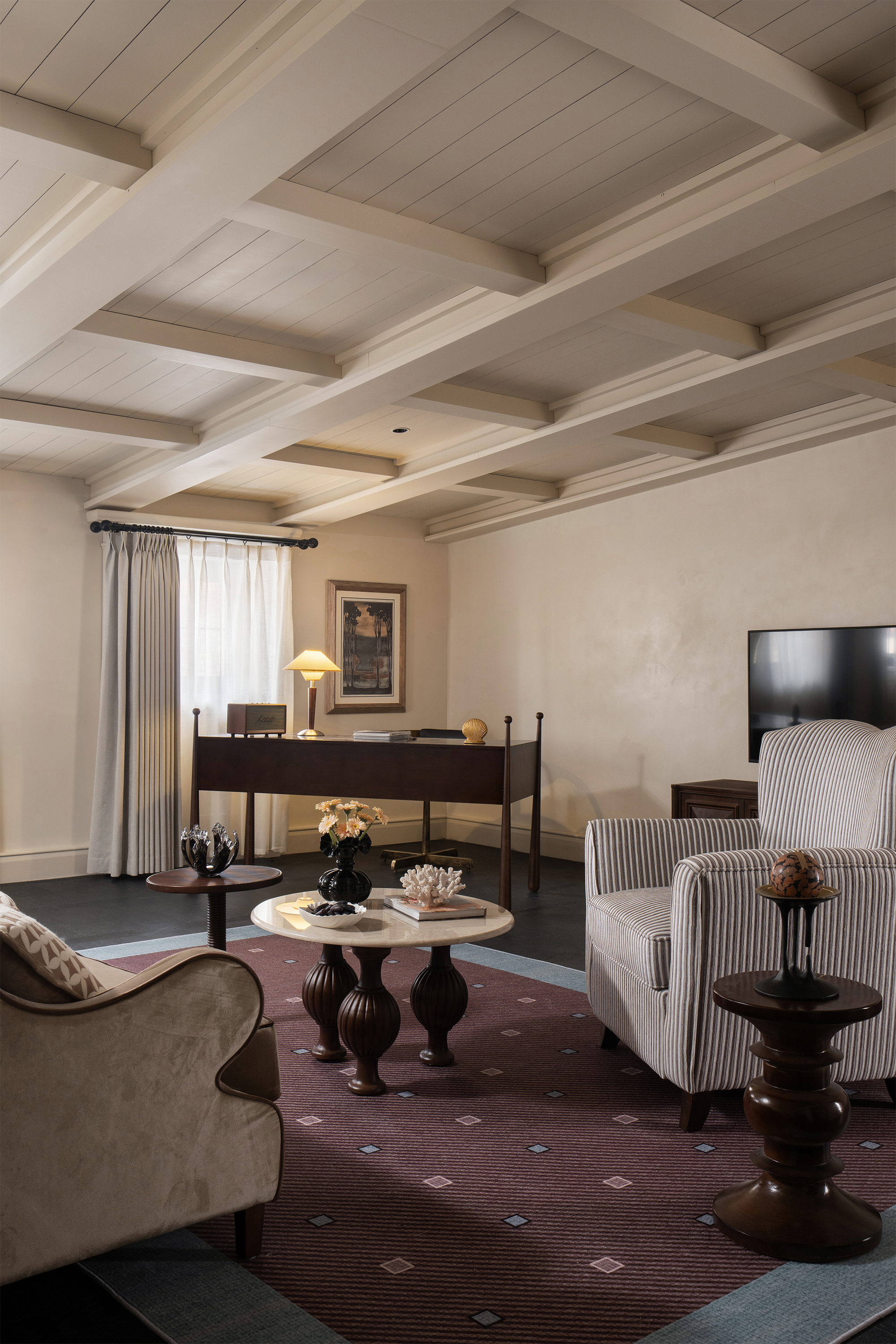
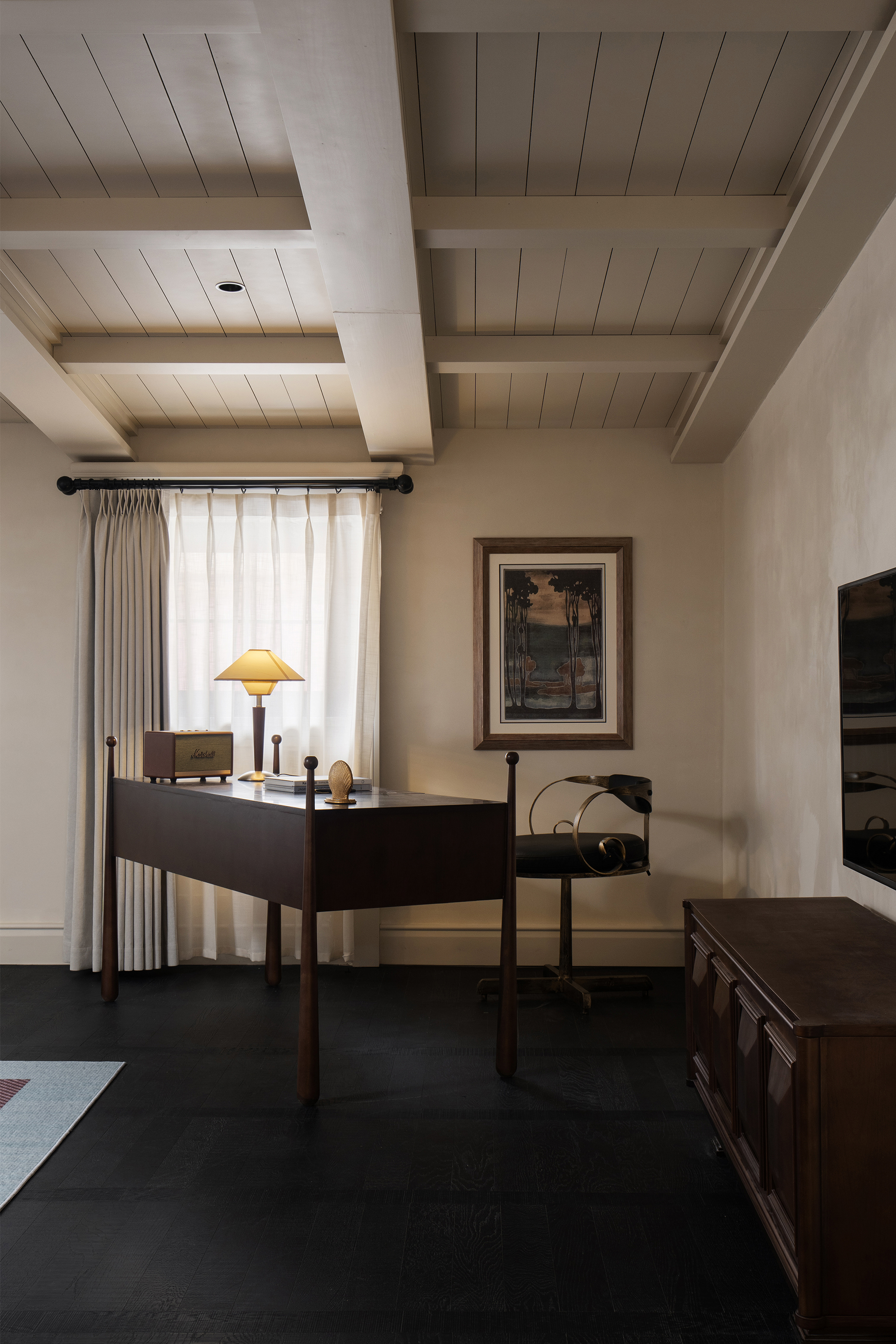
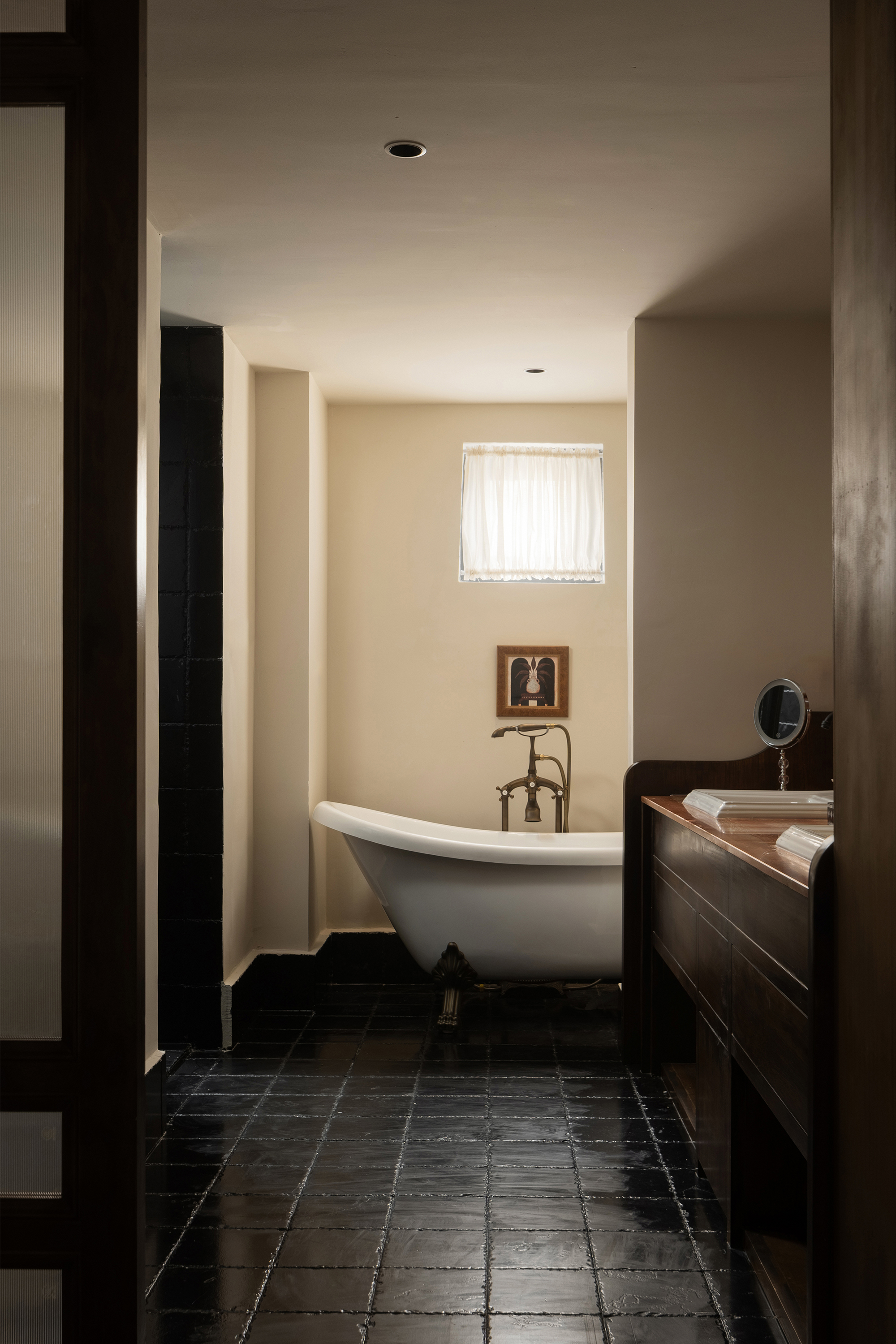
The project is located within Dukezong Ancient Town in Shangri-La, Yunnan Province. It does not have significant geographical advantages and is situated among several old buildings, with limited natural lighting.
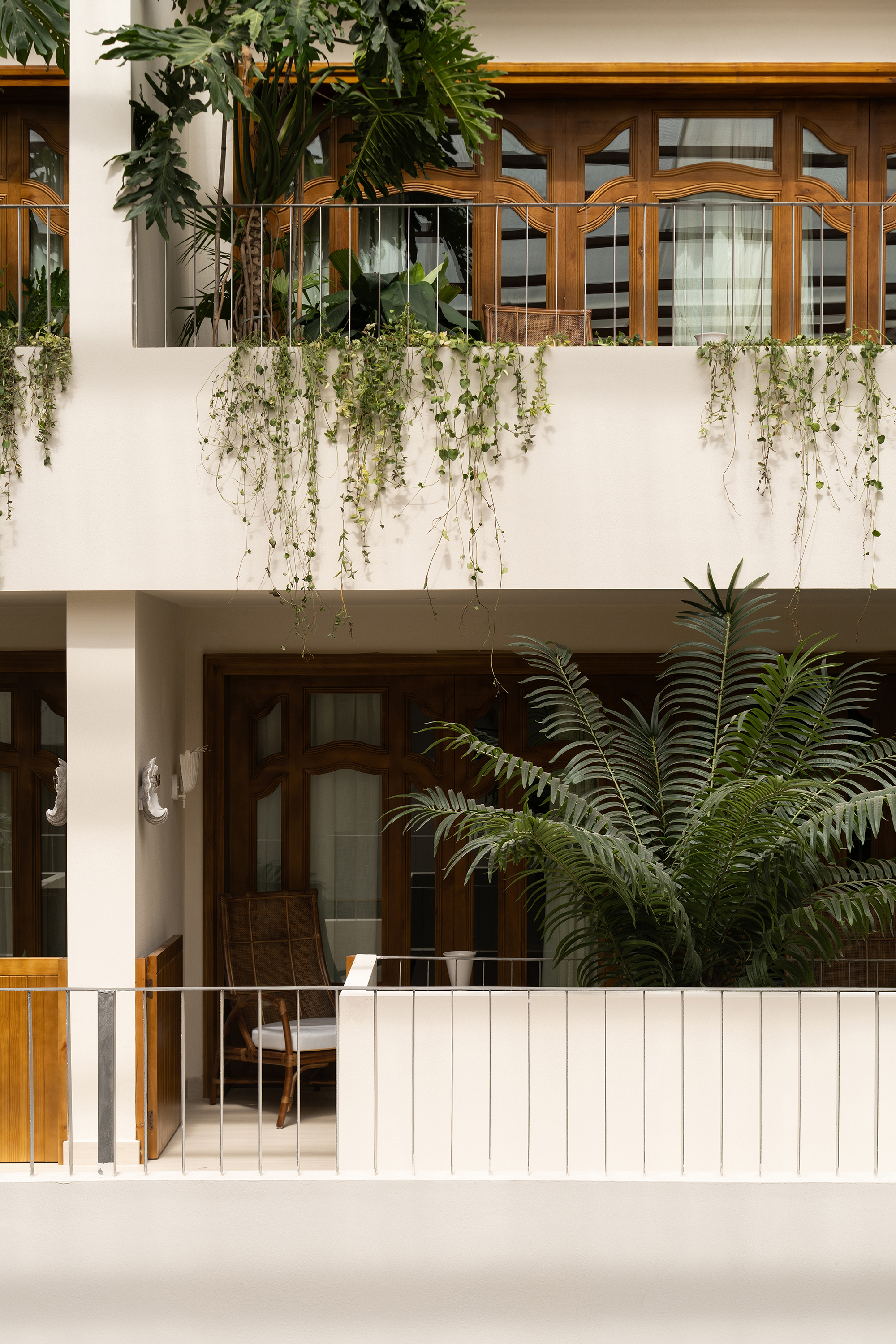
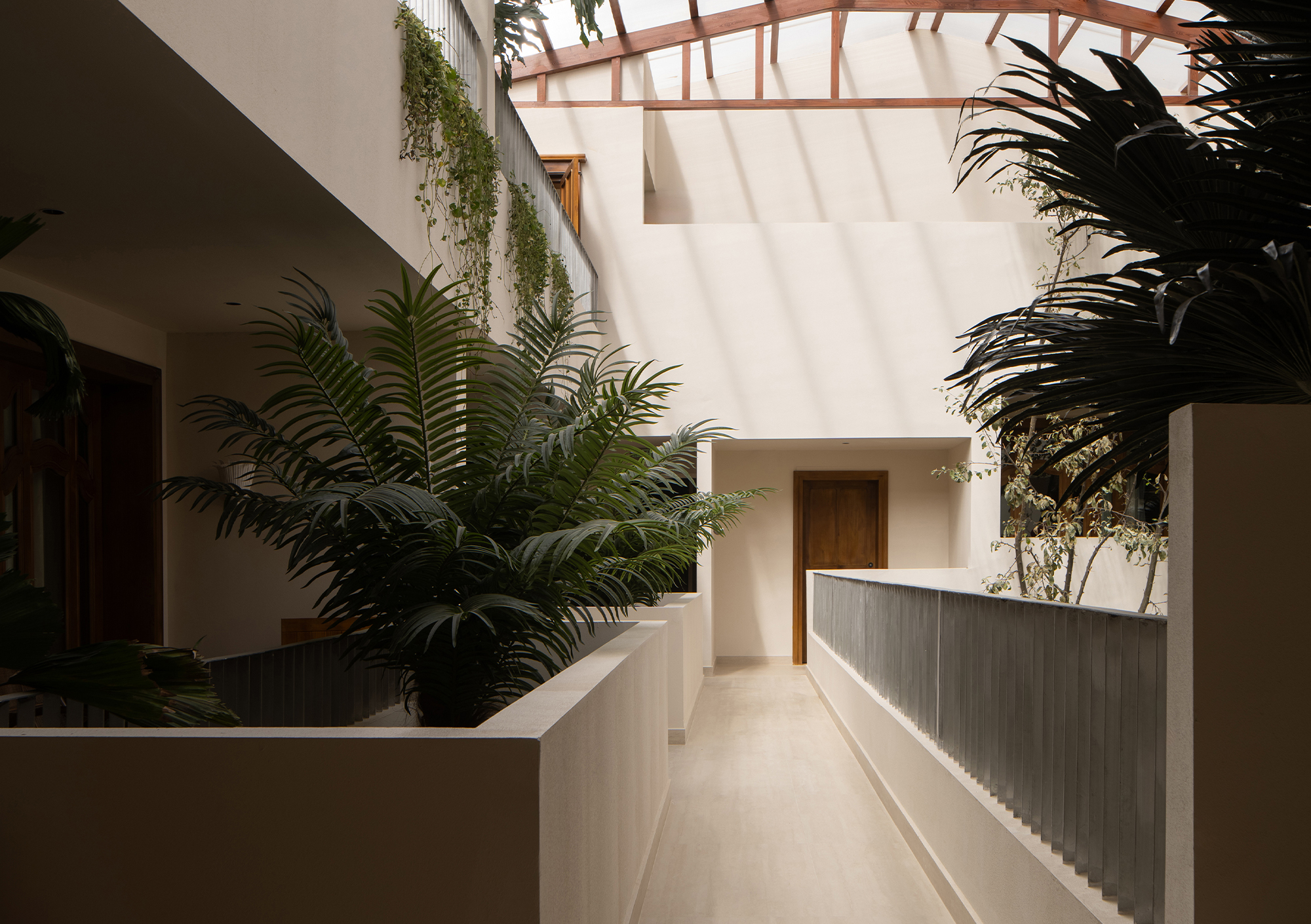
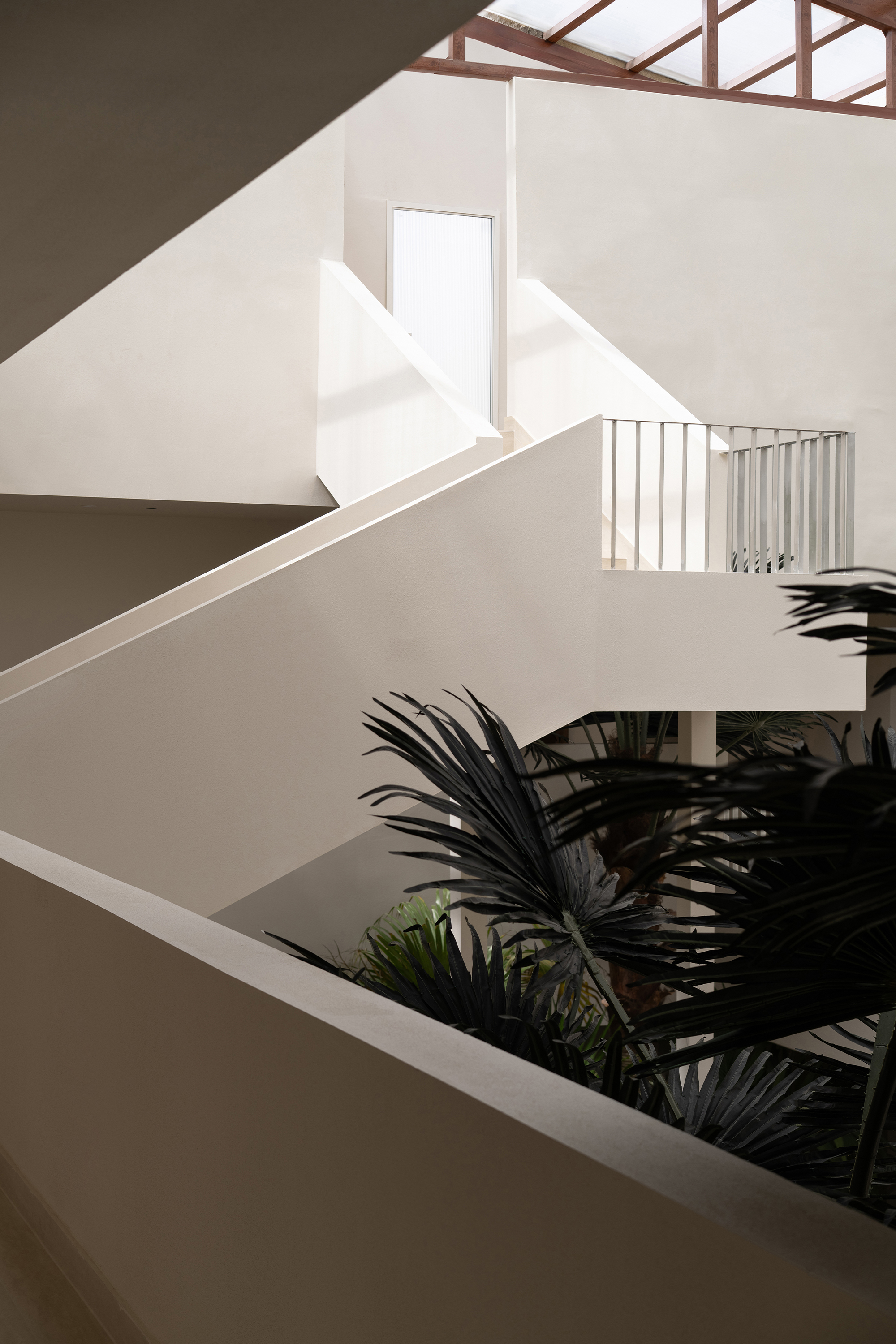
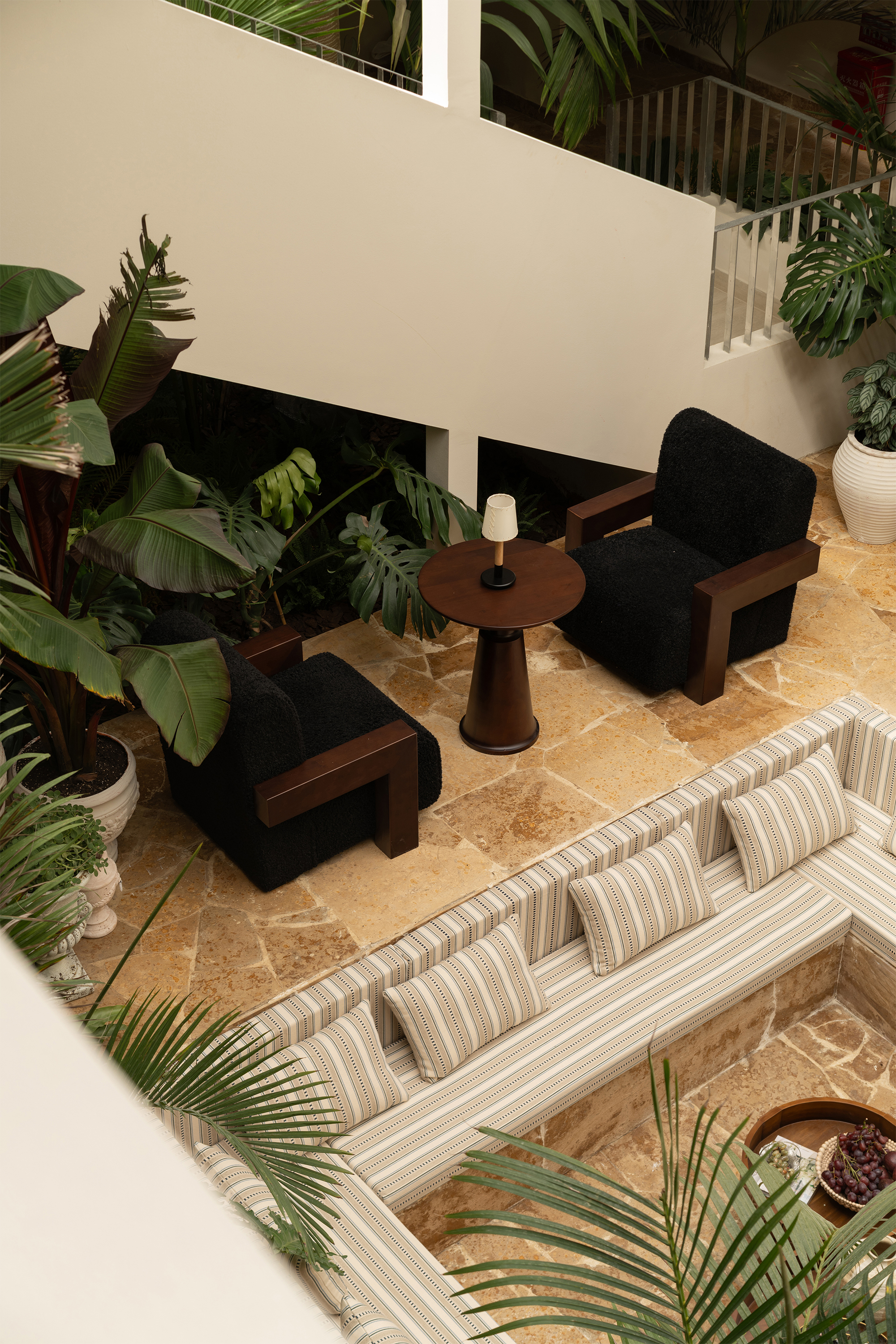
The external environment offers little support to the project, so the design focuses on the interior, creating a greenhouse-style flower room inside the building. This allows plants to thrive throughout the year, serving as a landscape feature for the rooms and as an internal café. The staircase leading to the rooms has been redesigned as a walkable scenic path, enhancing the visual appeal of the inner courtyard.
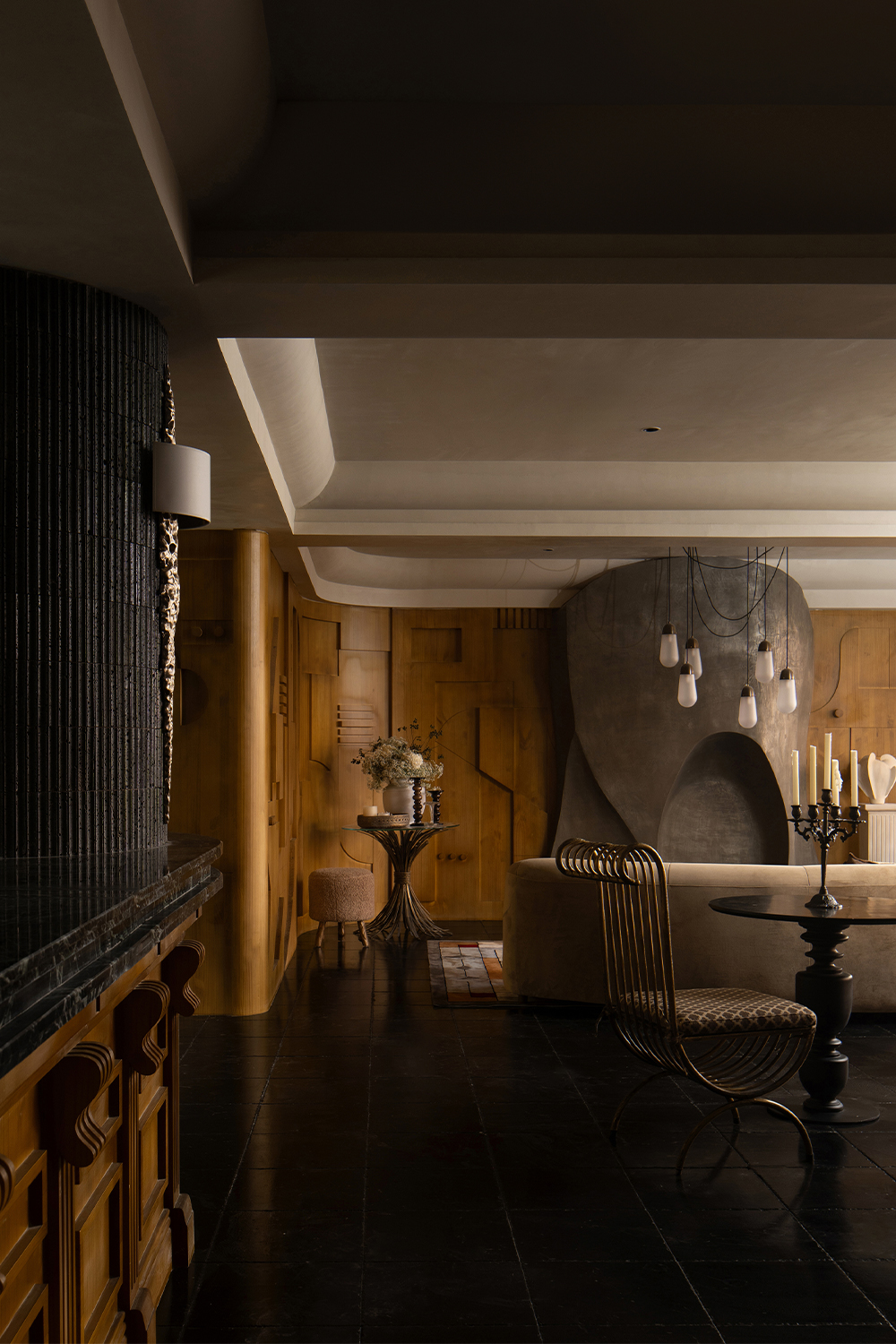
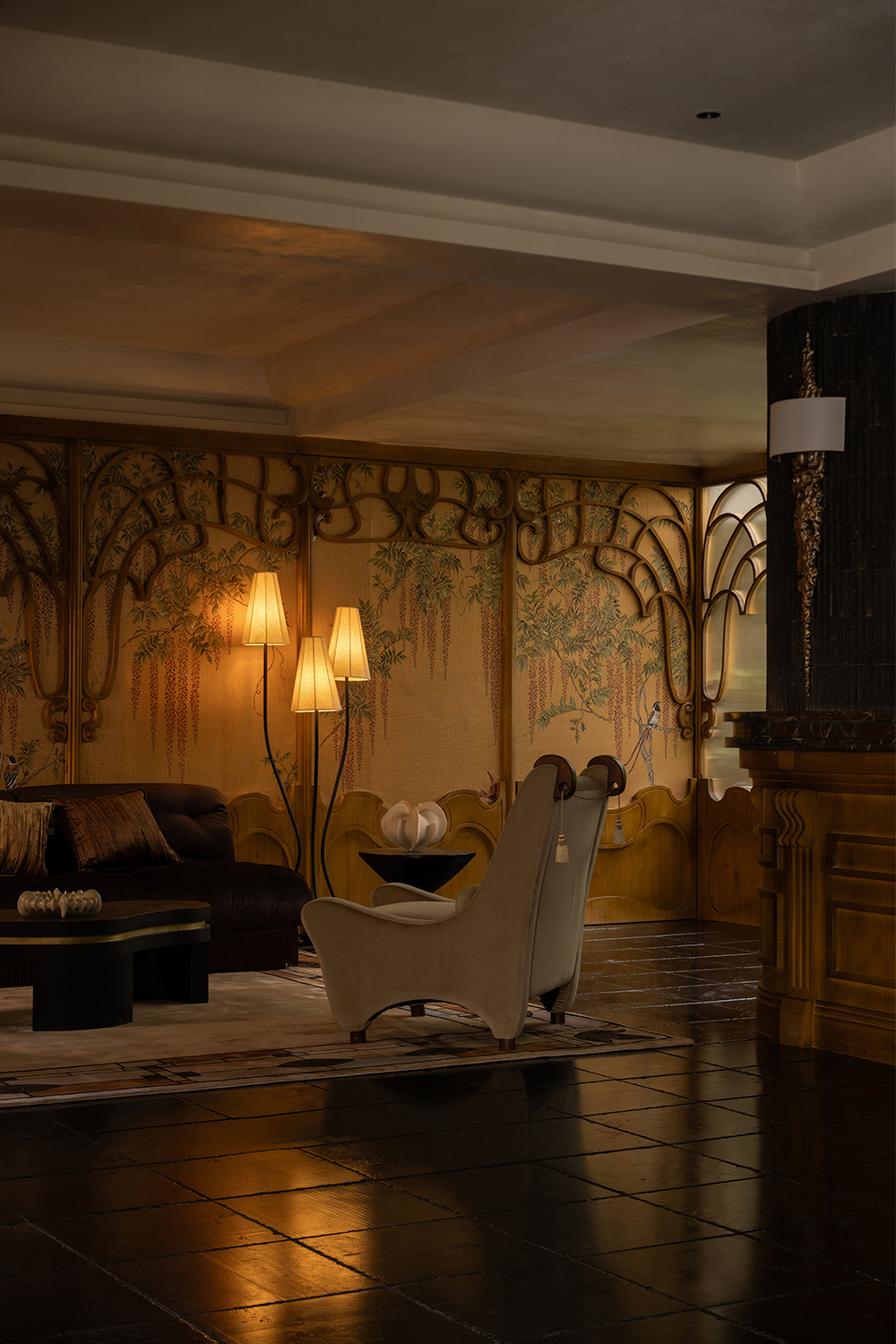
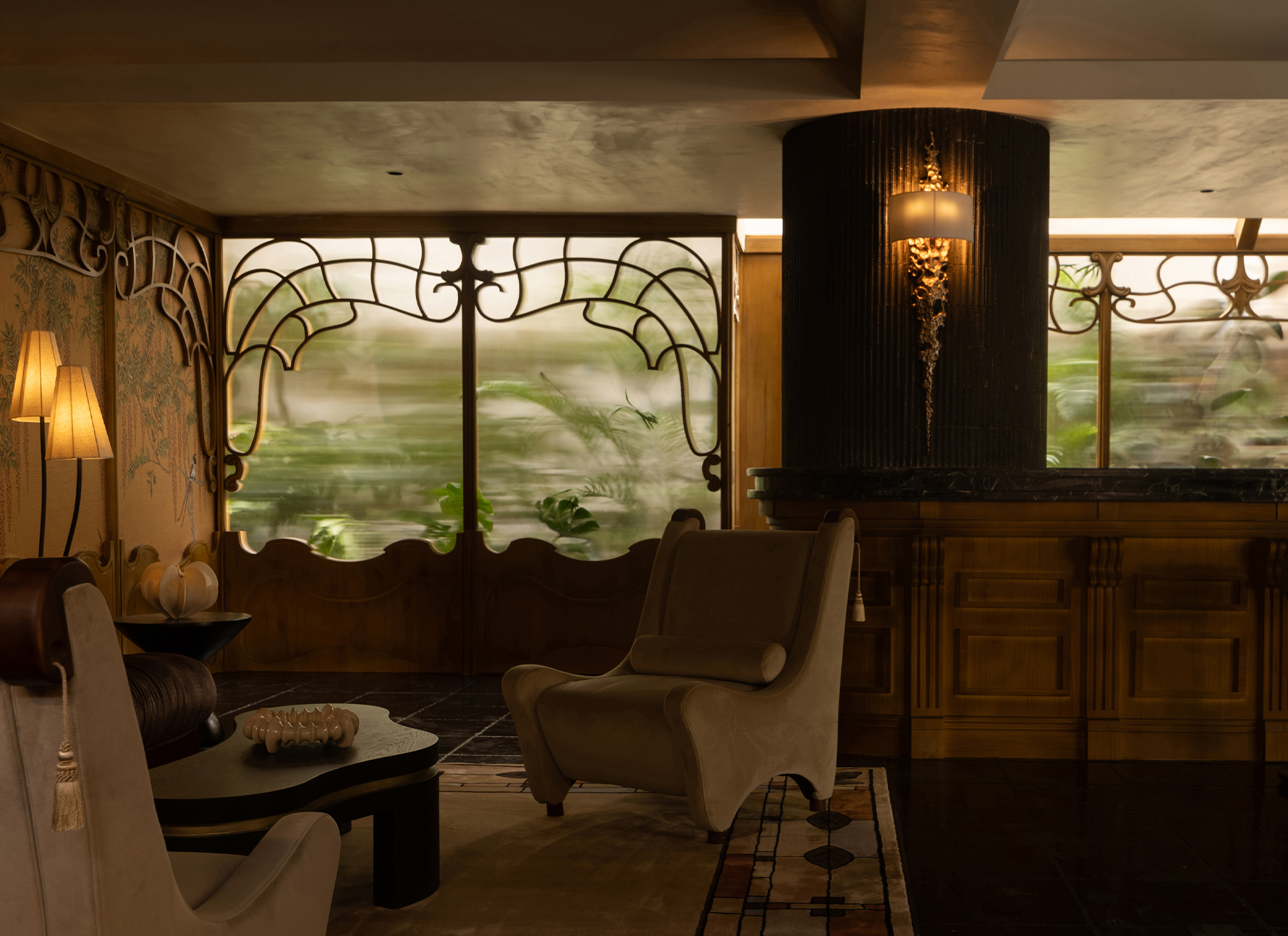
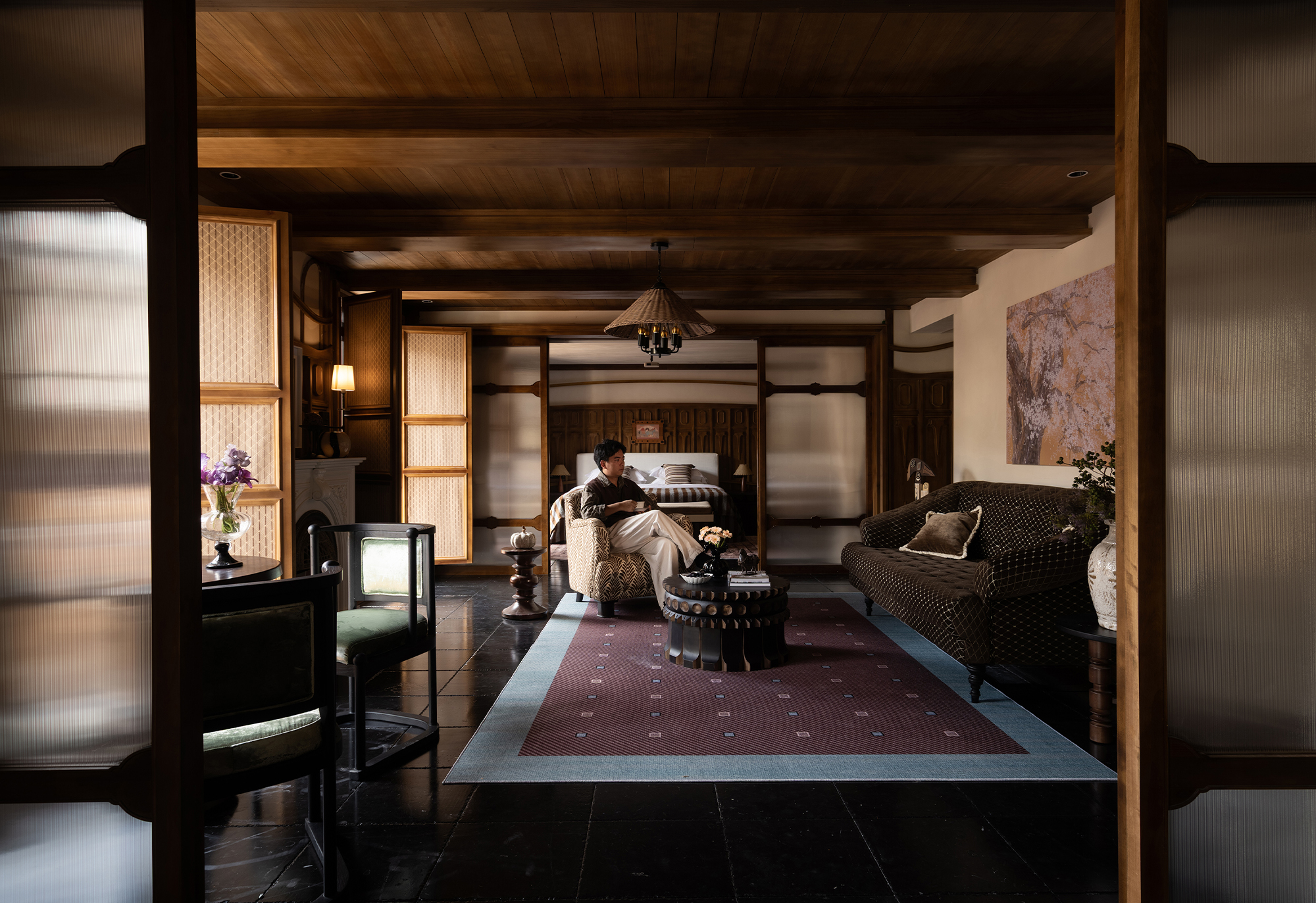
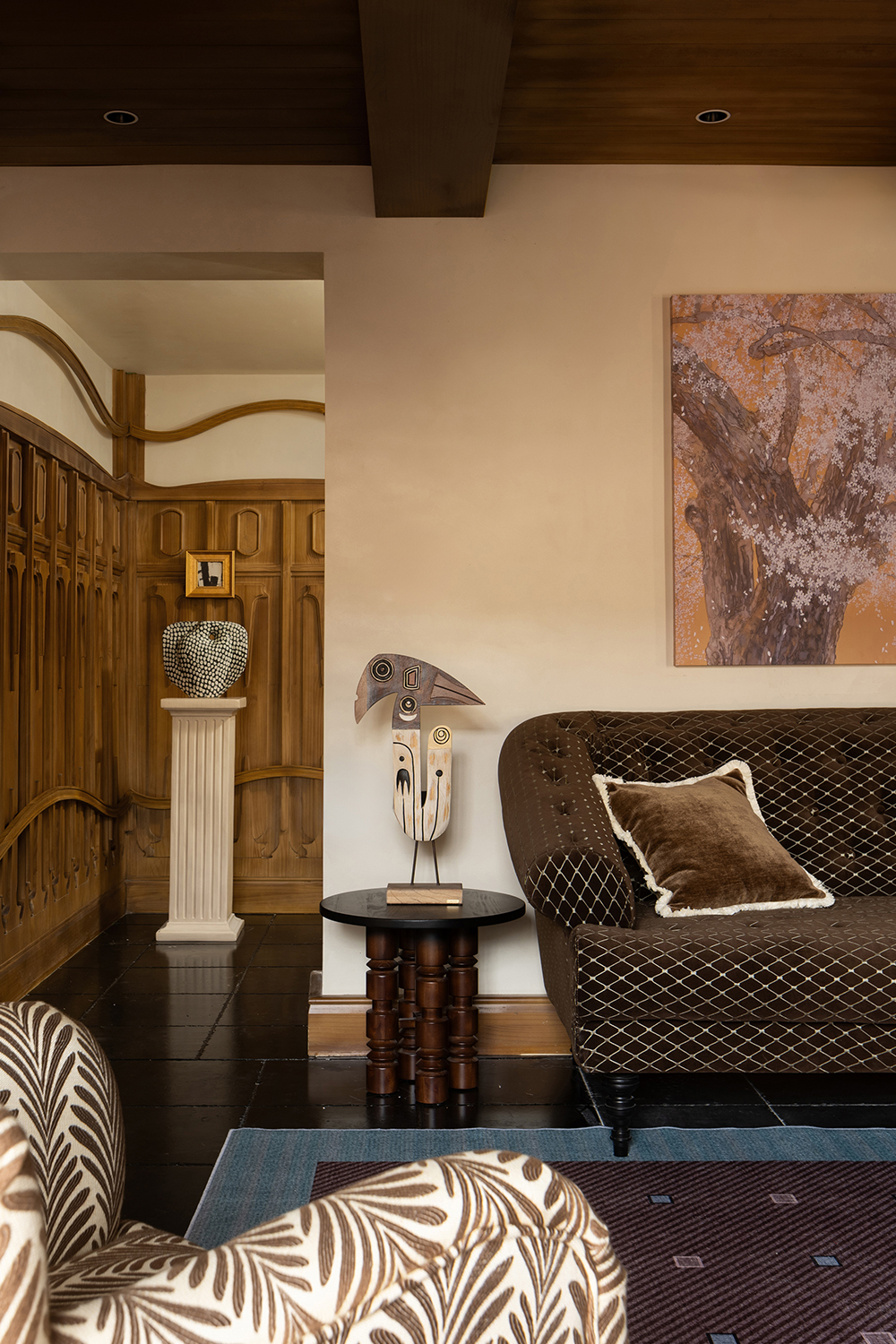
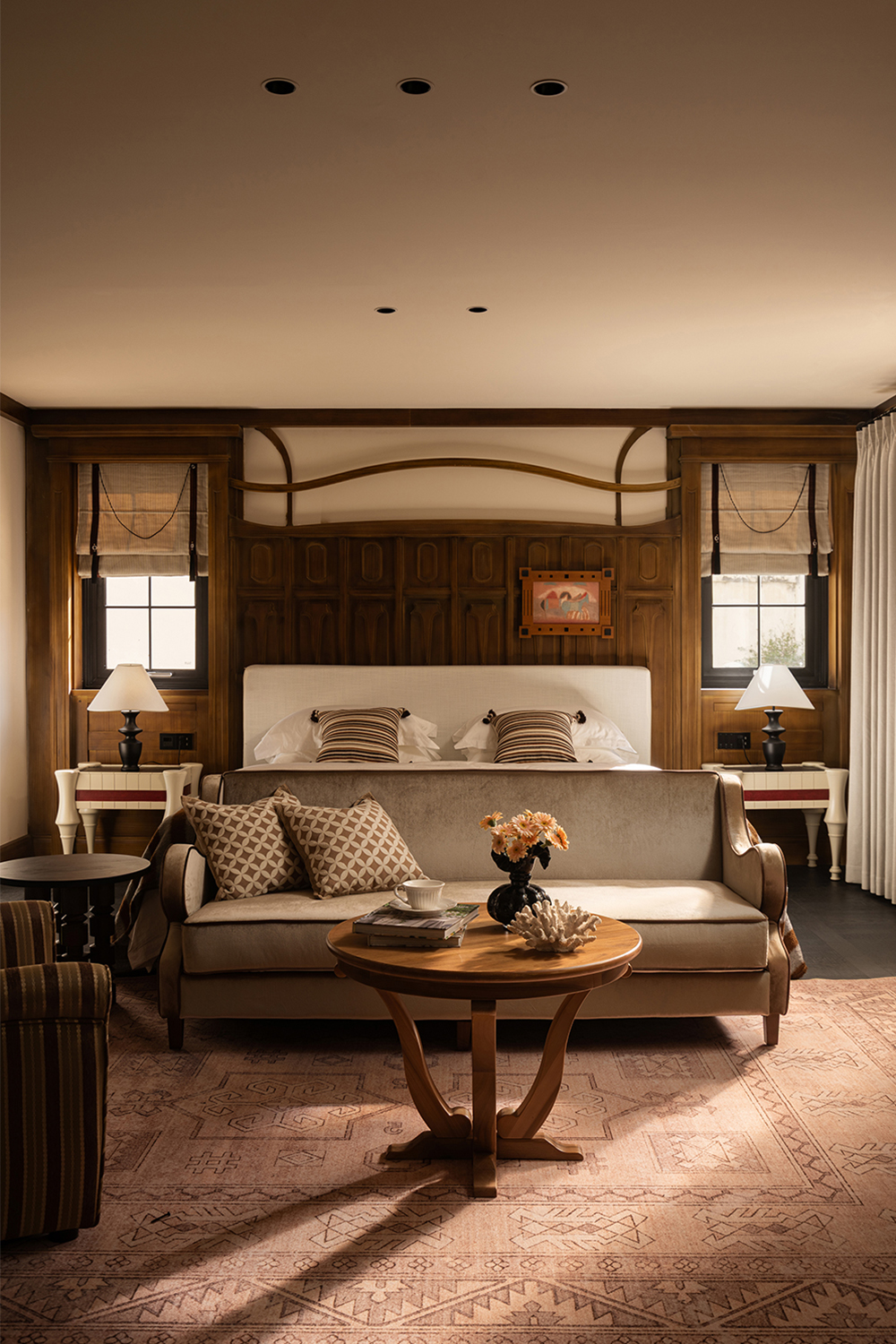
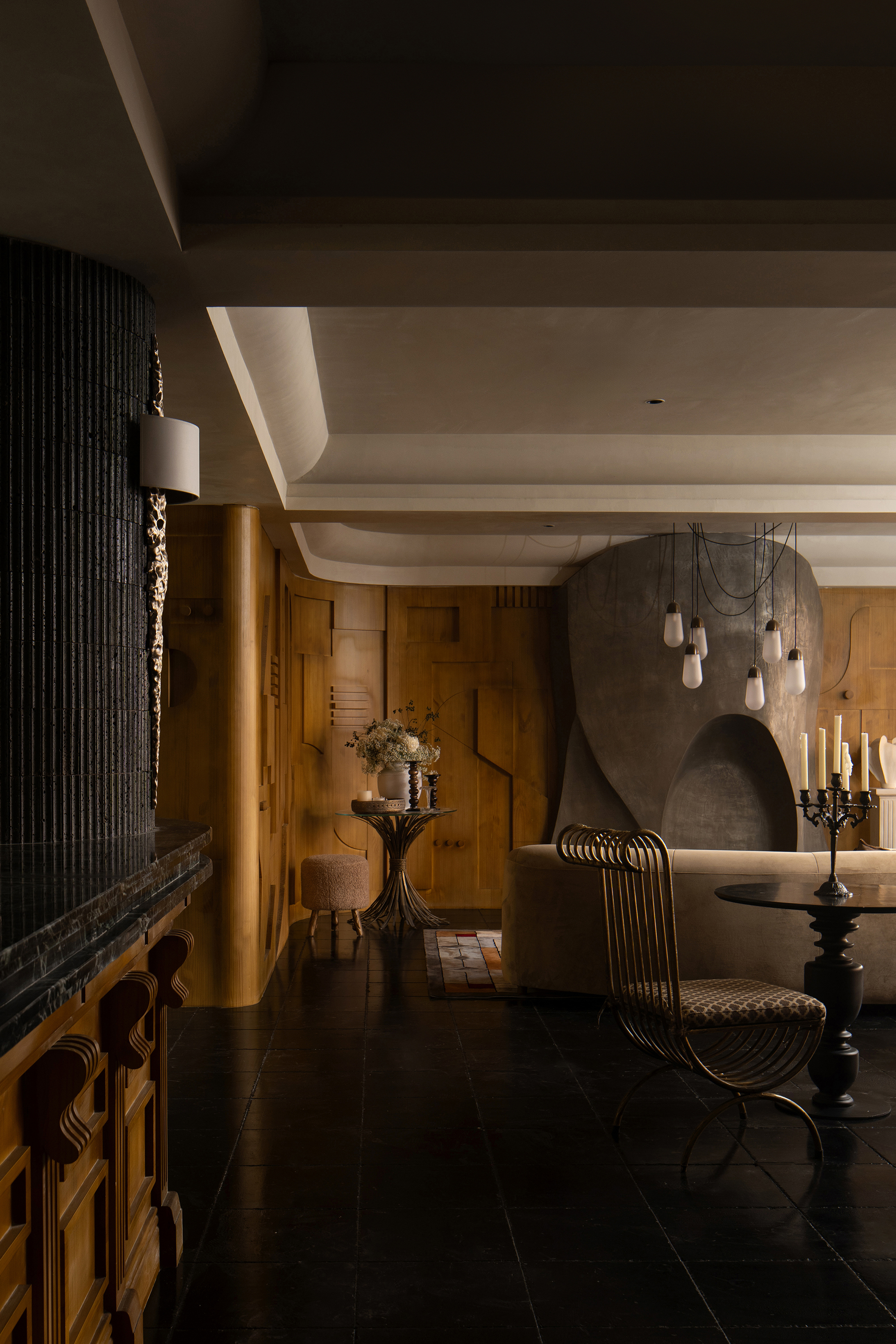
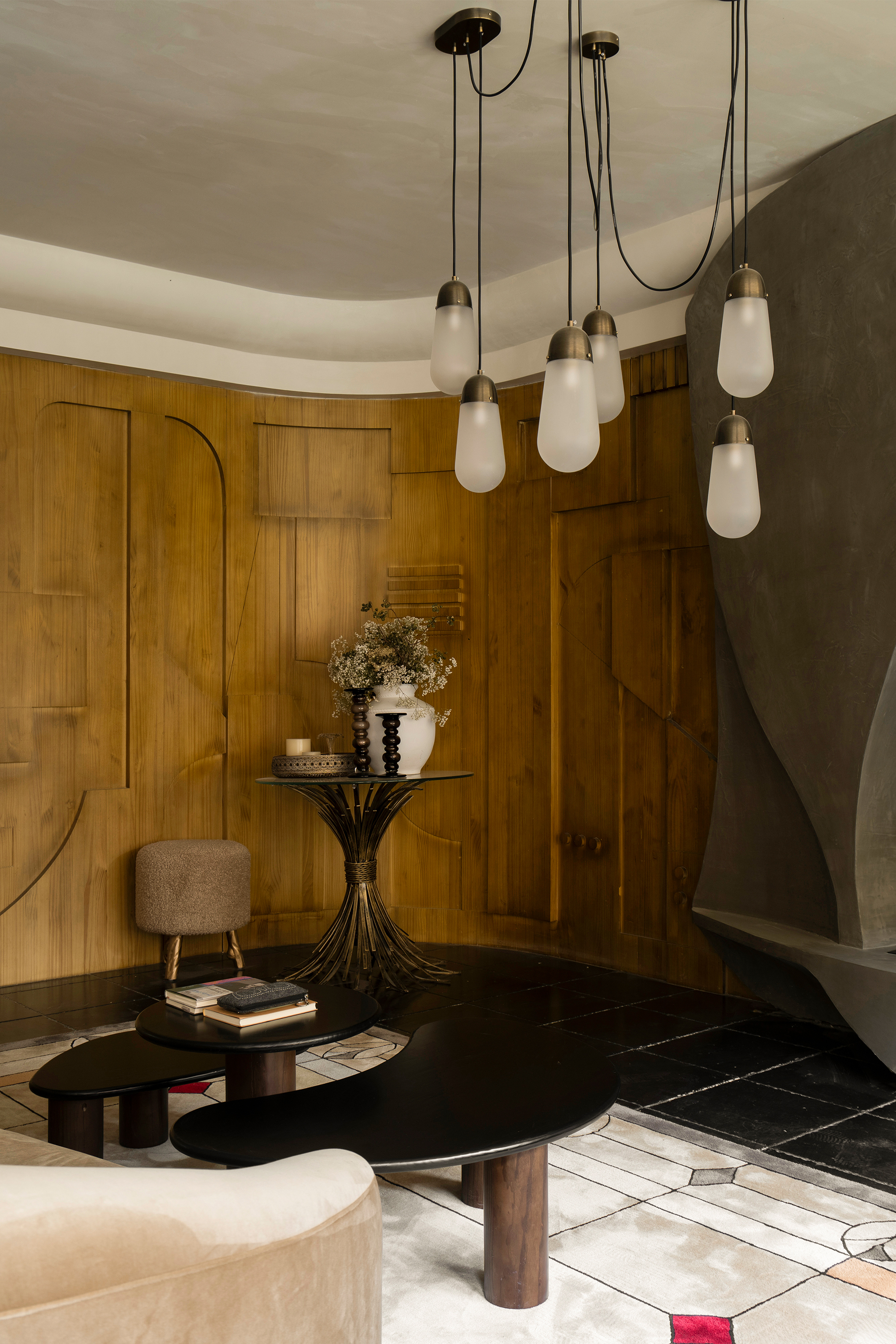
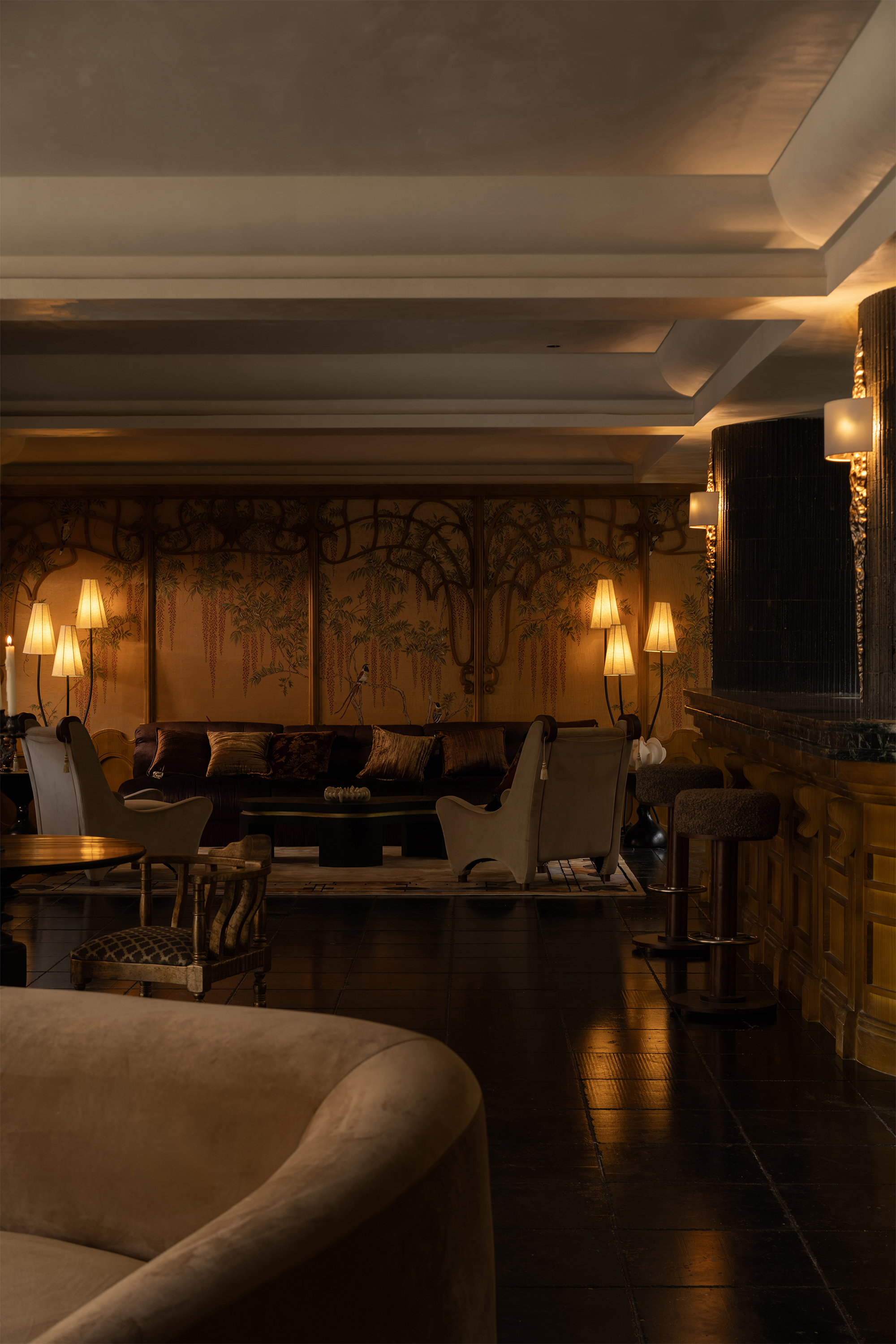
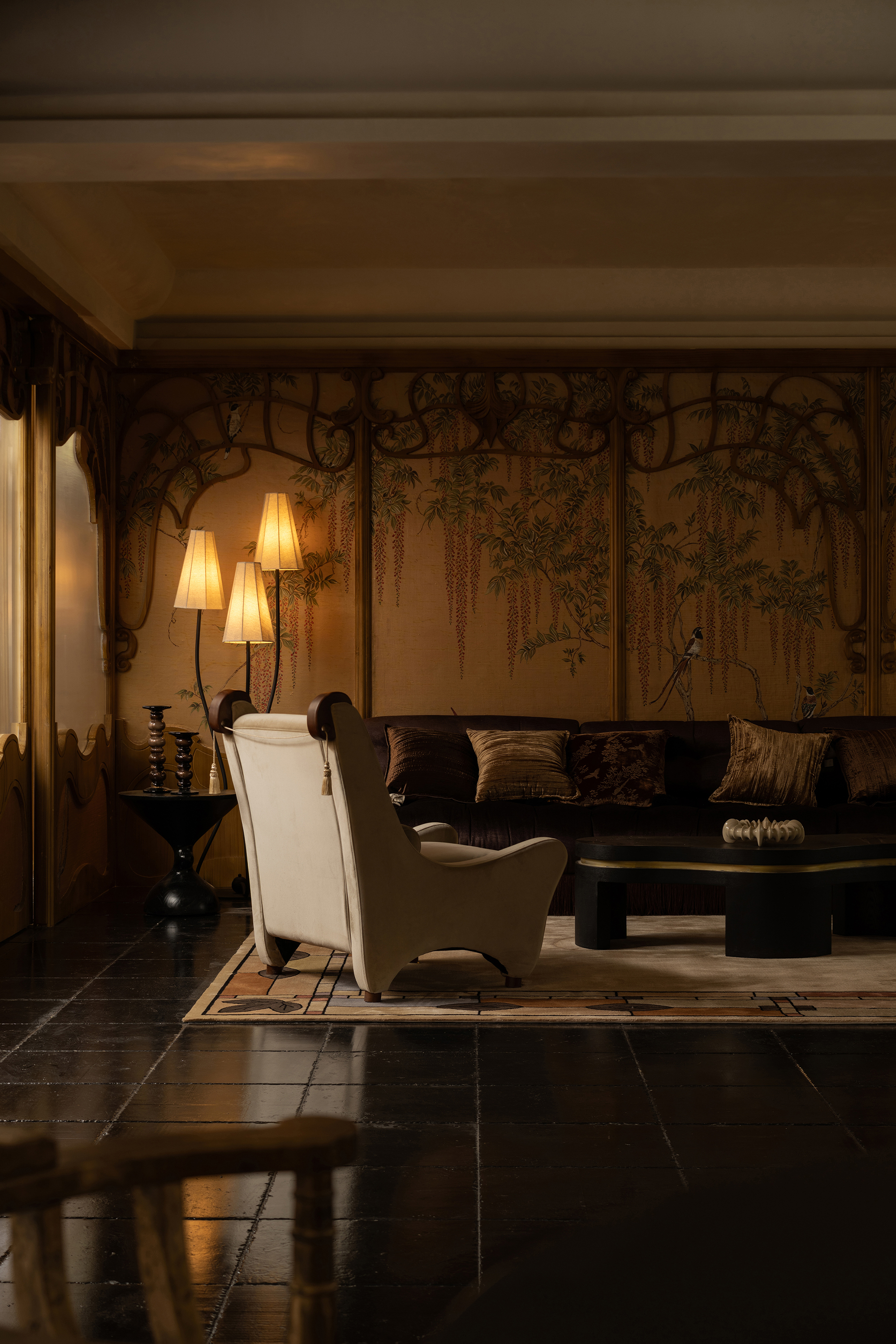
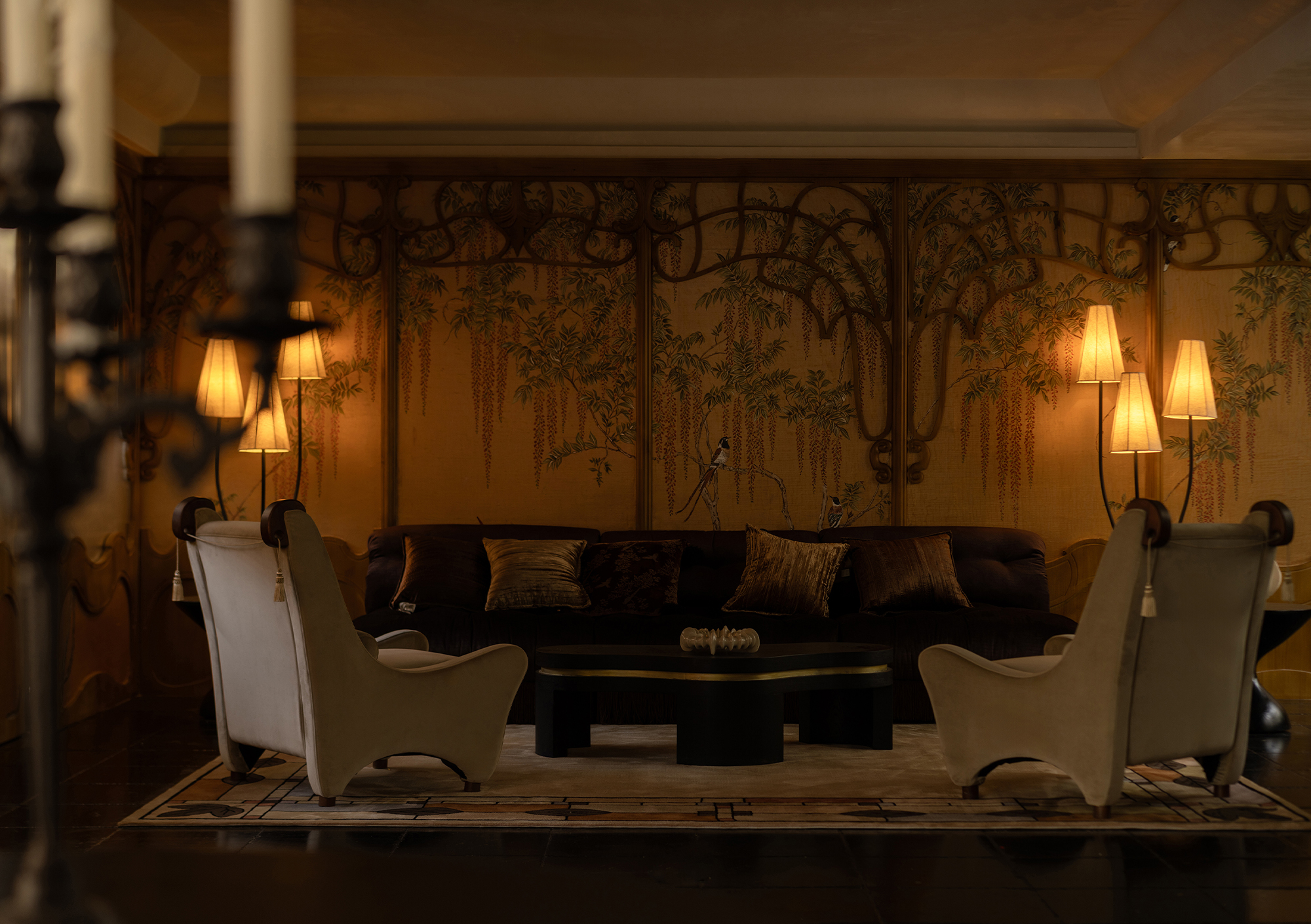
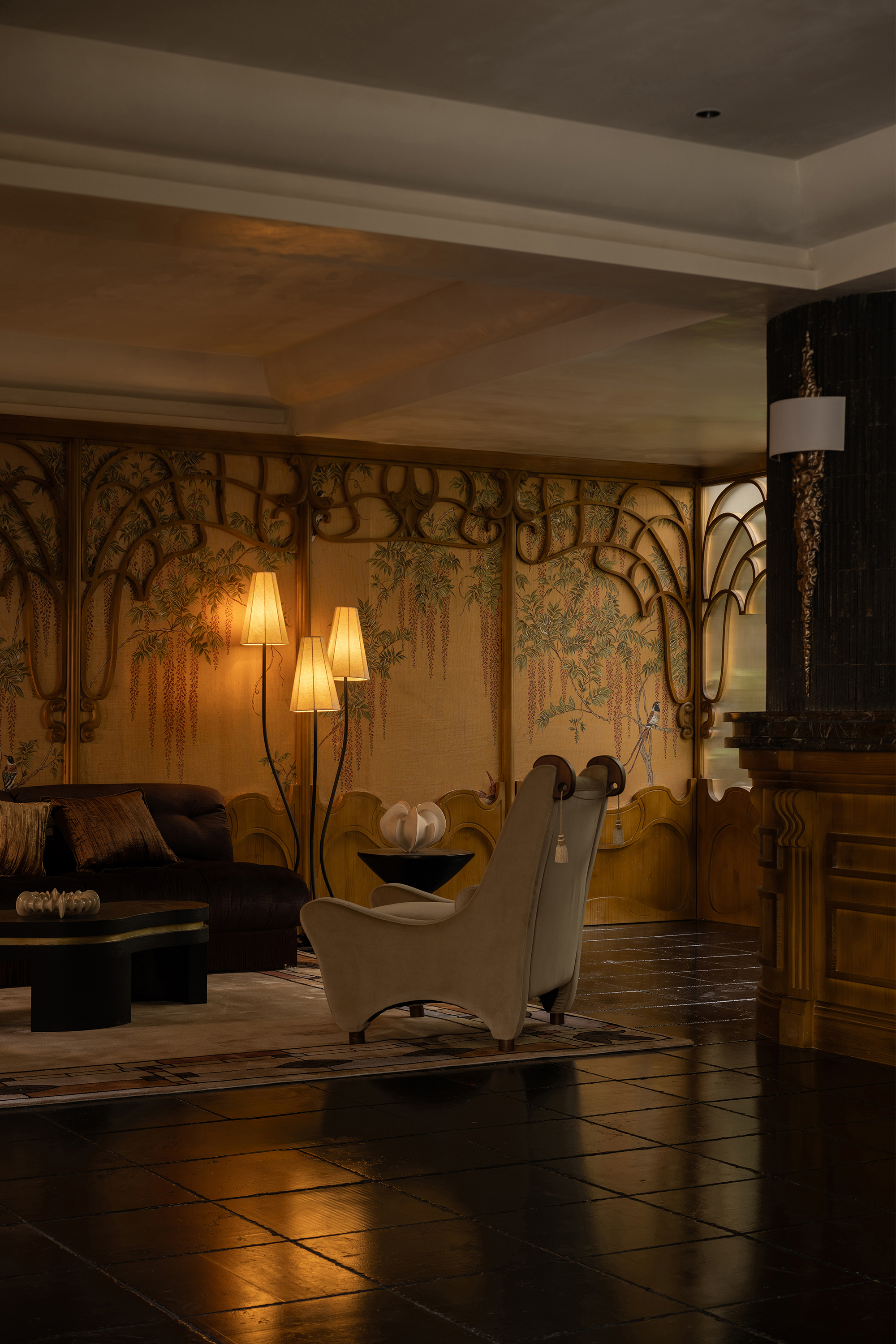
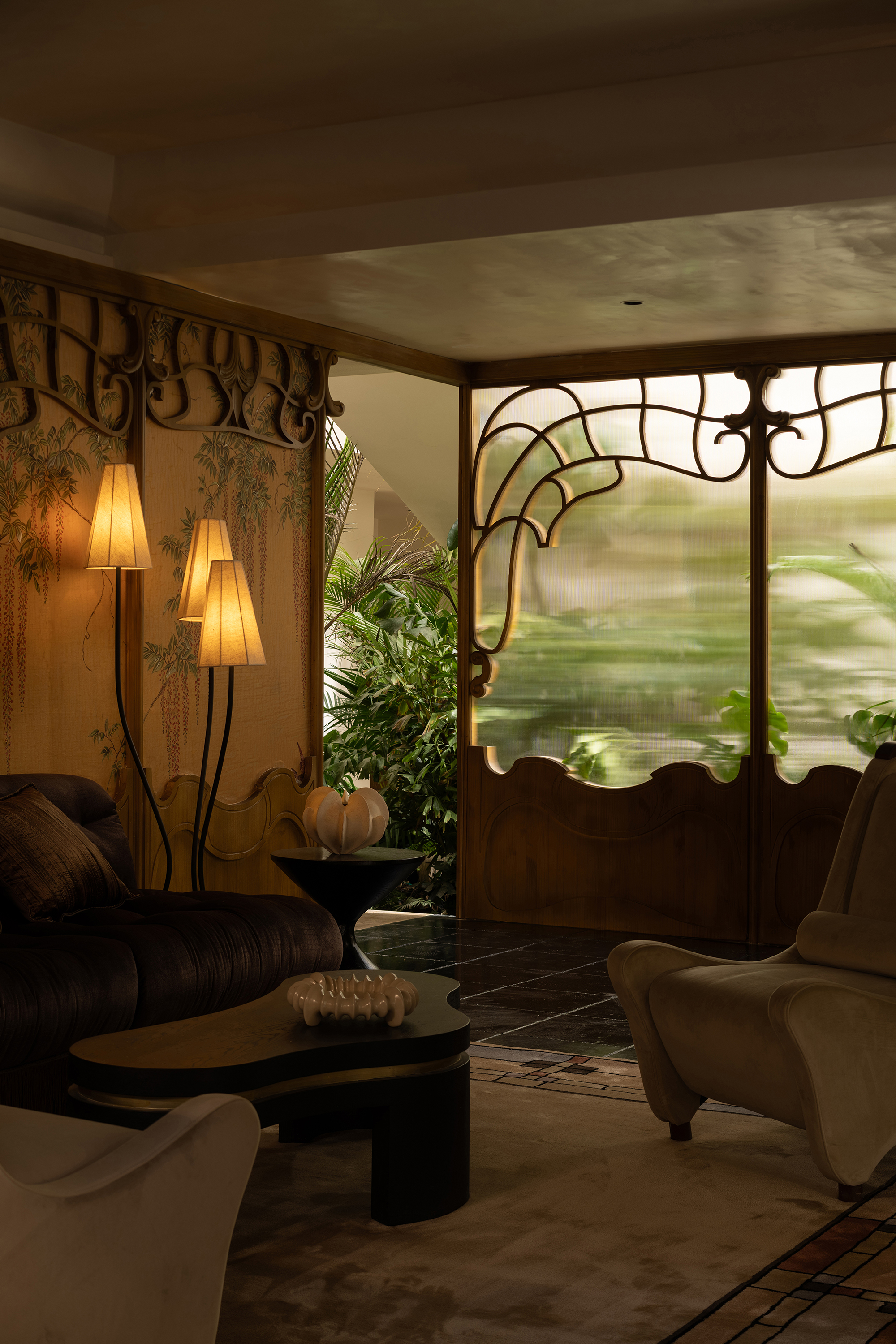
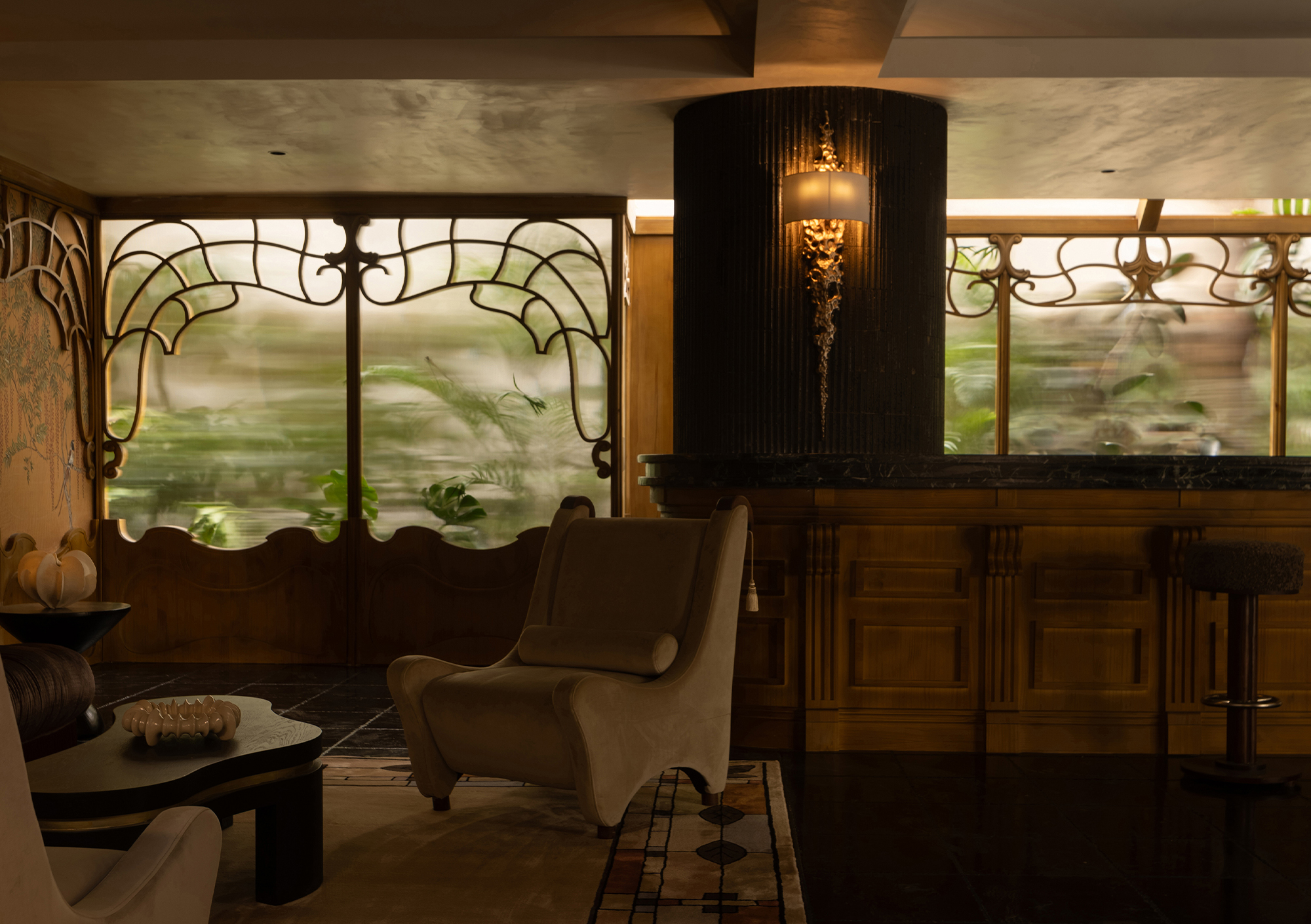
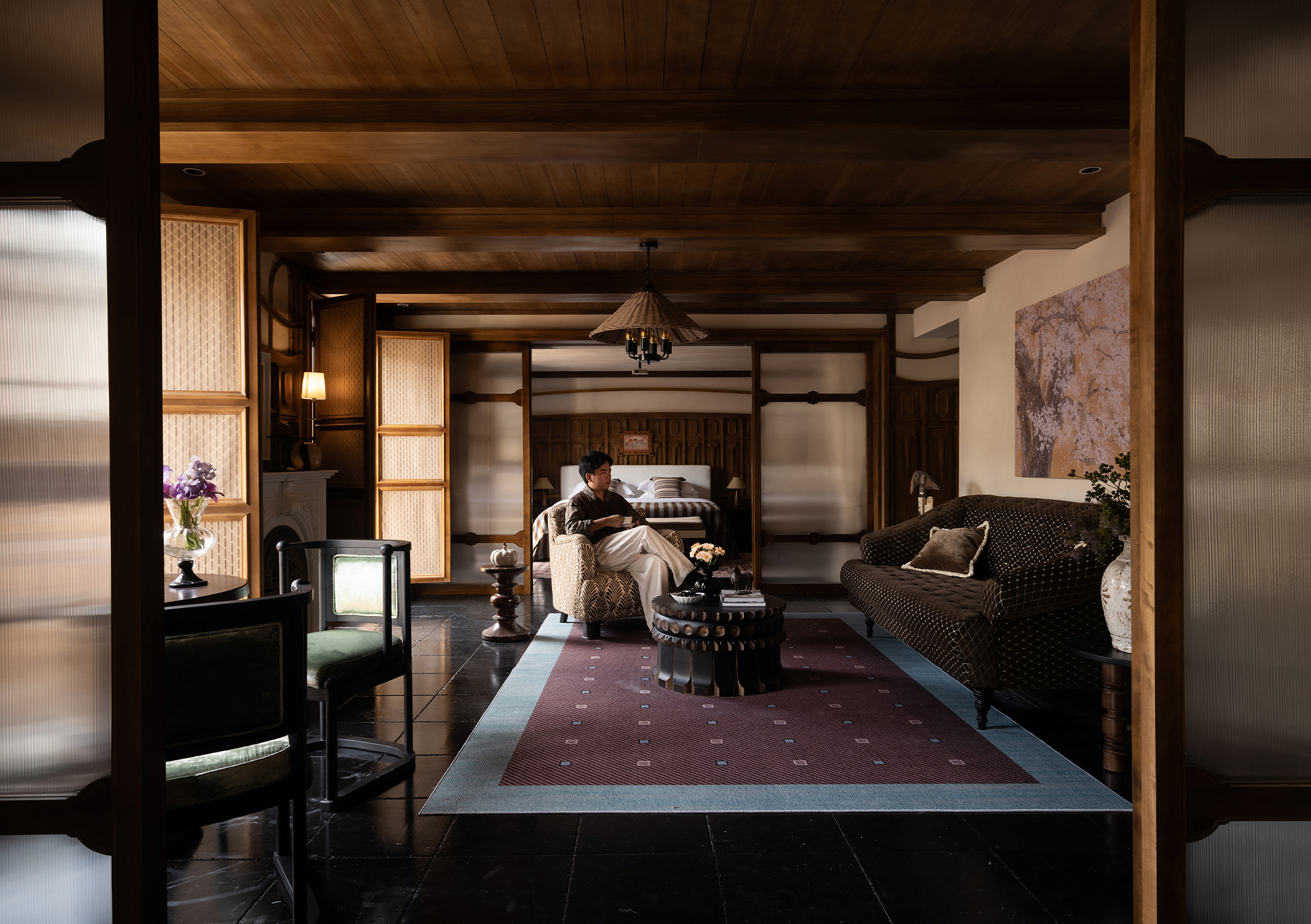
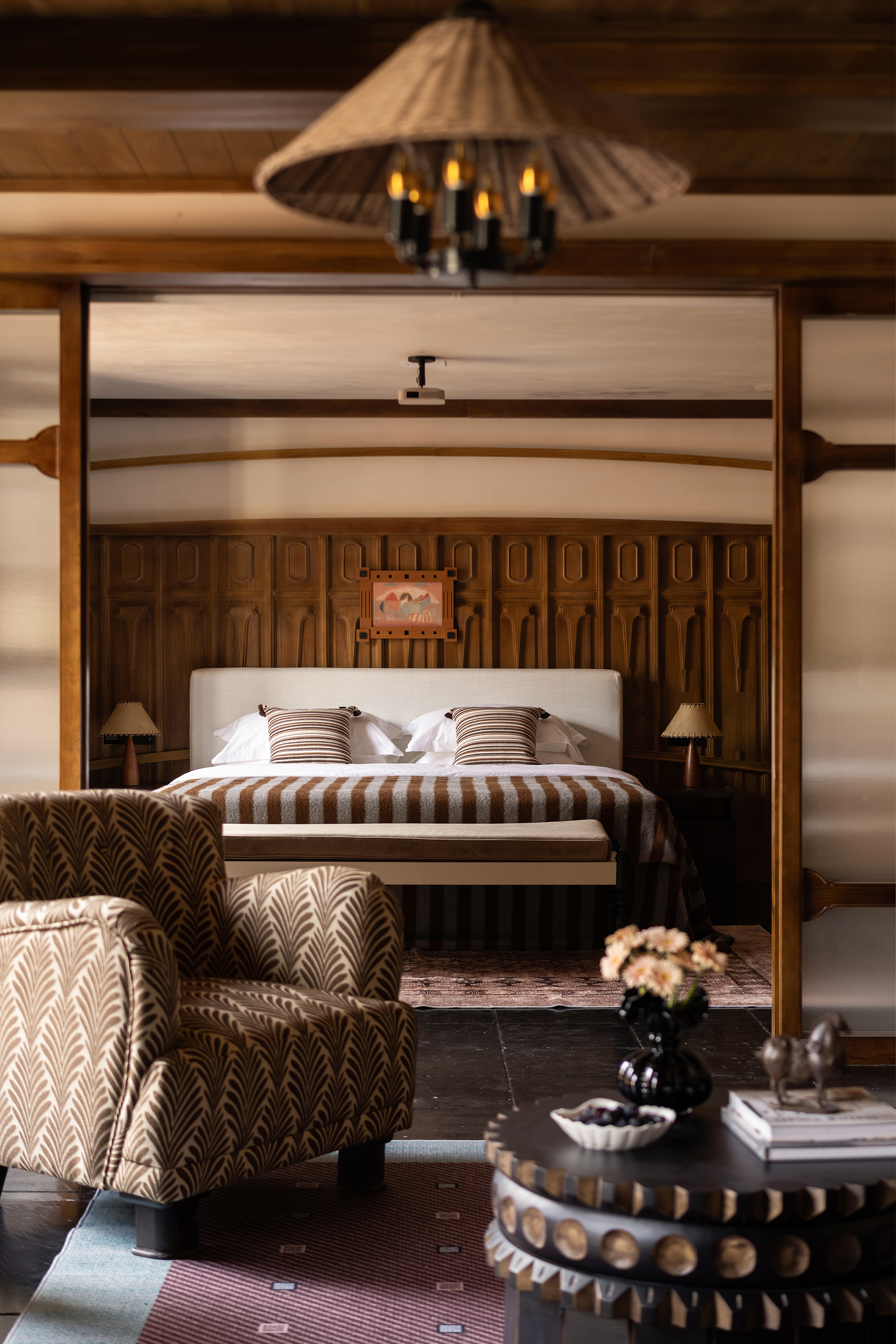
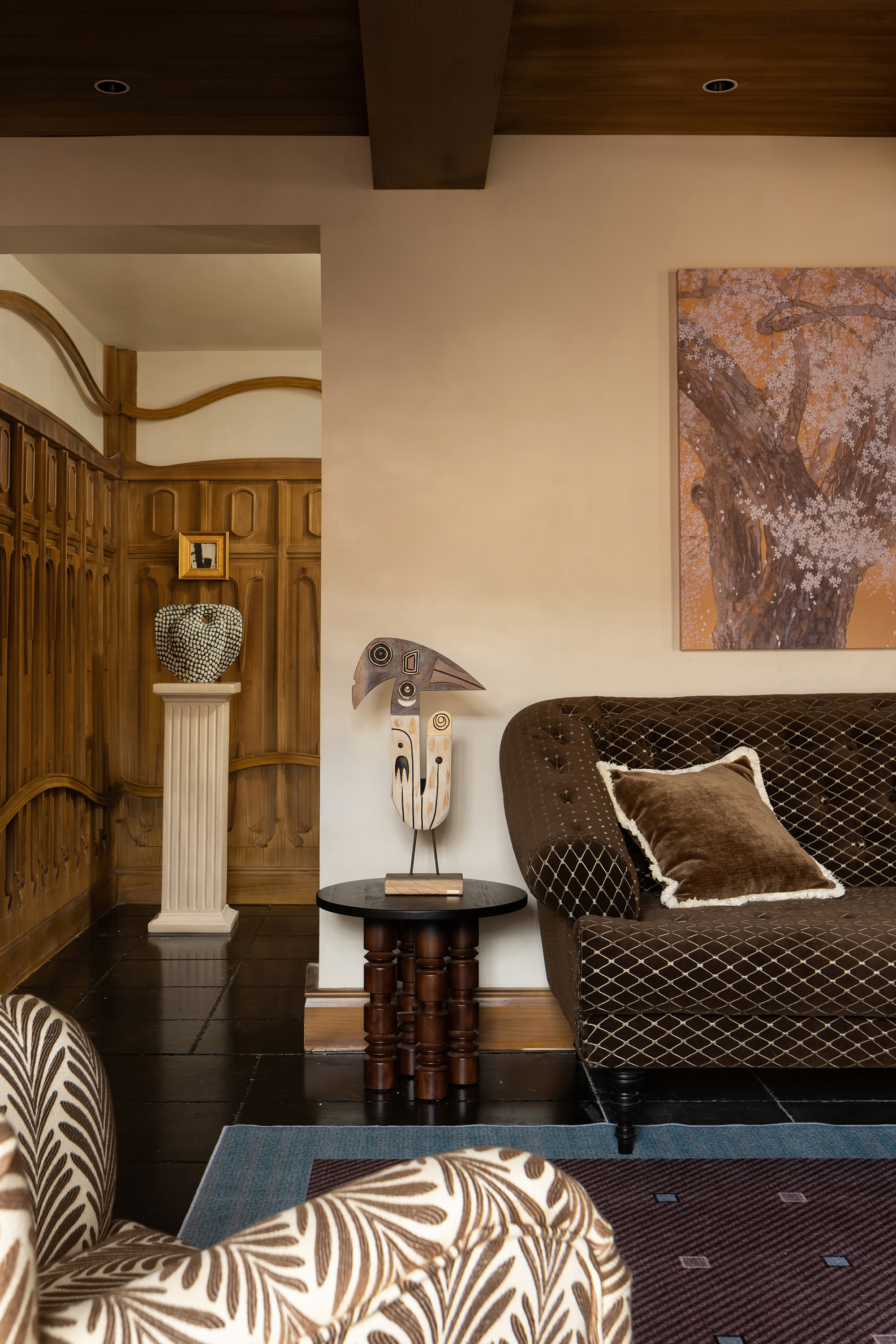
The overall interior design draws inspiration from the inner courtyard garden, adopting a more rich and organic style. Decorative elements are inspired by plants; in the lobby, wooden features replicate the branches of growing plants, there is a stone-like sculptural fireplace, and wallpapers depict plant ecosystems.
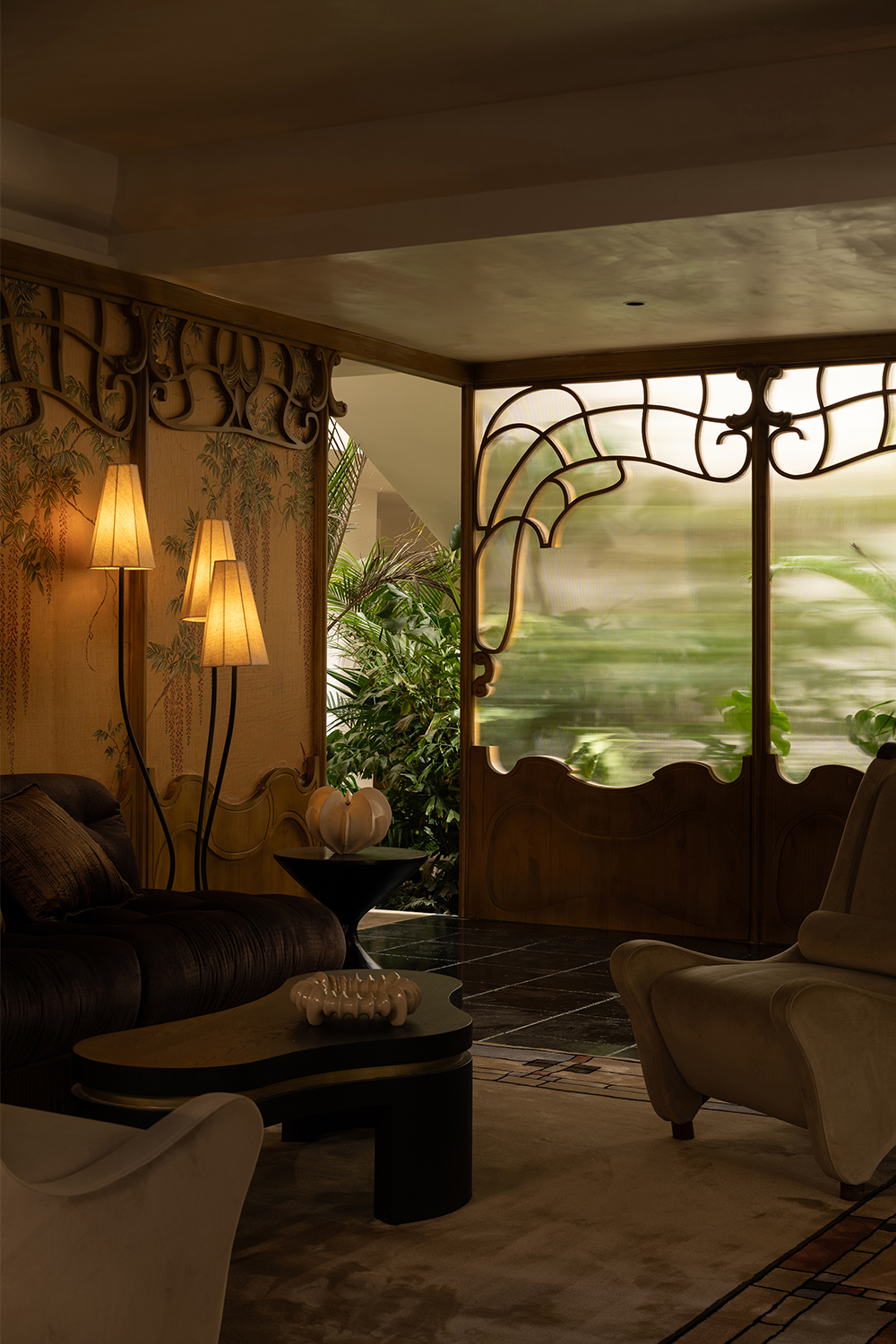
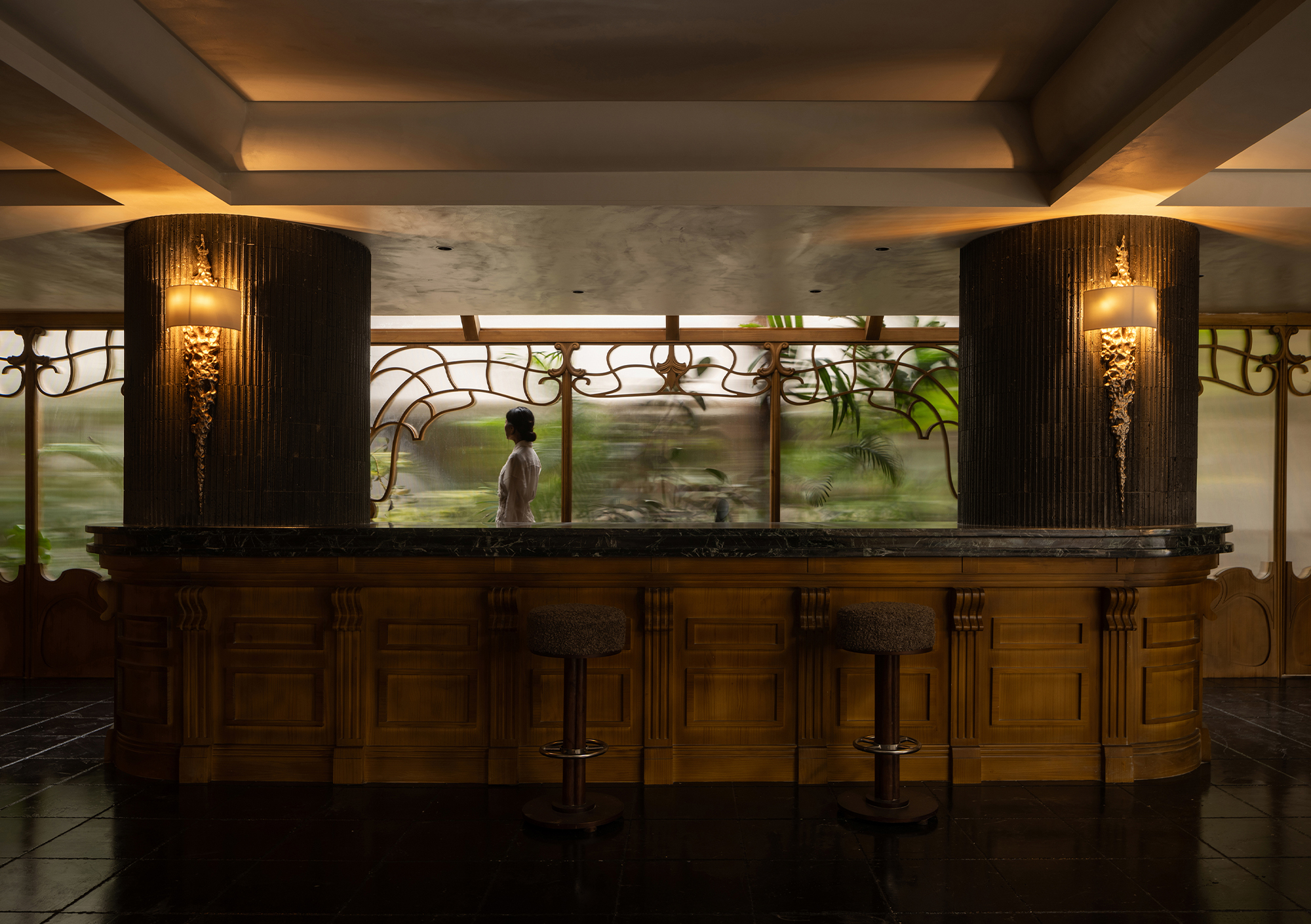
The lobby and the inner courtyard café are separated by glass, merging the misty courtyard view with the branches of plants, creating a harmonious organic connection.