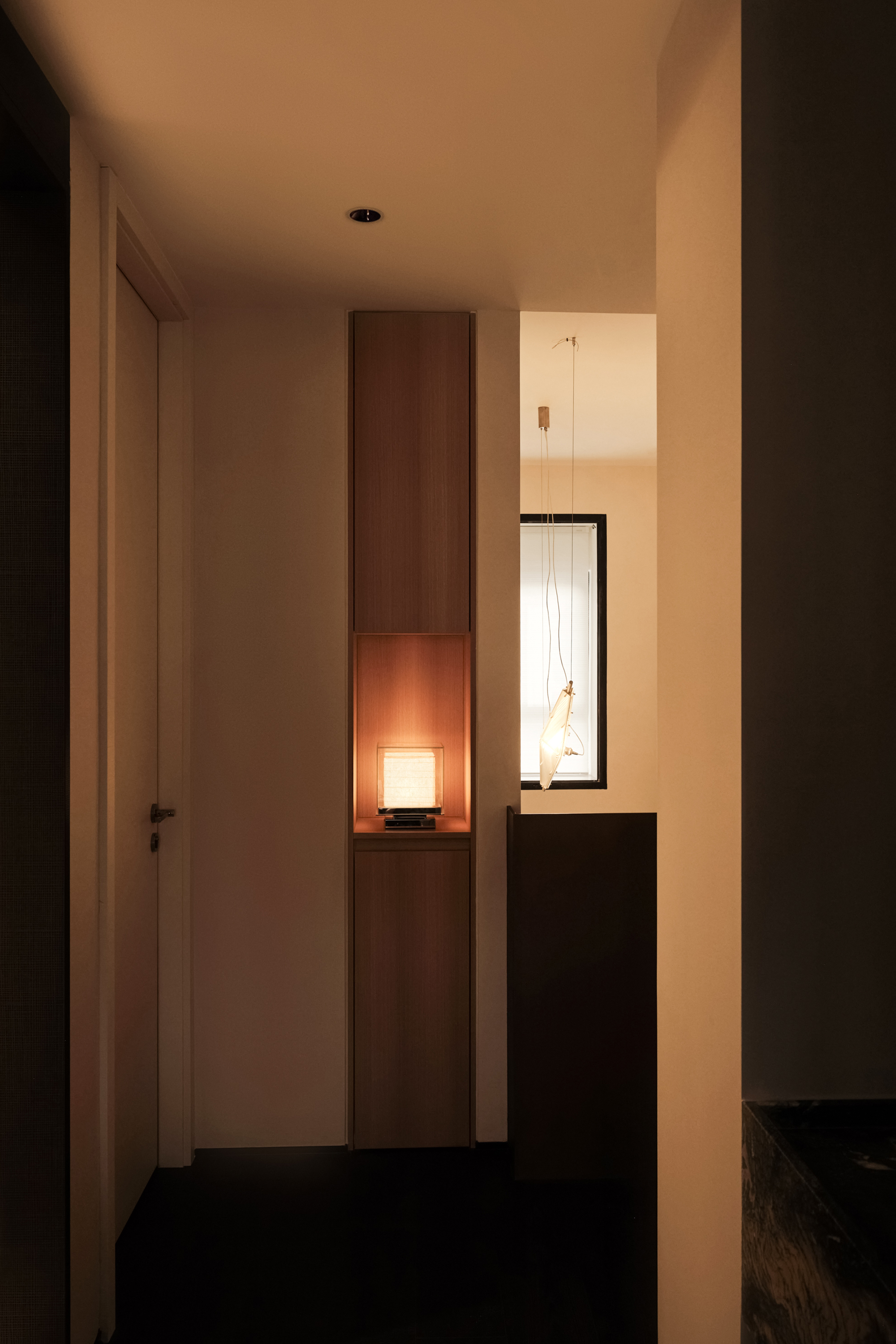
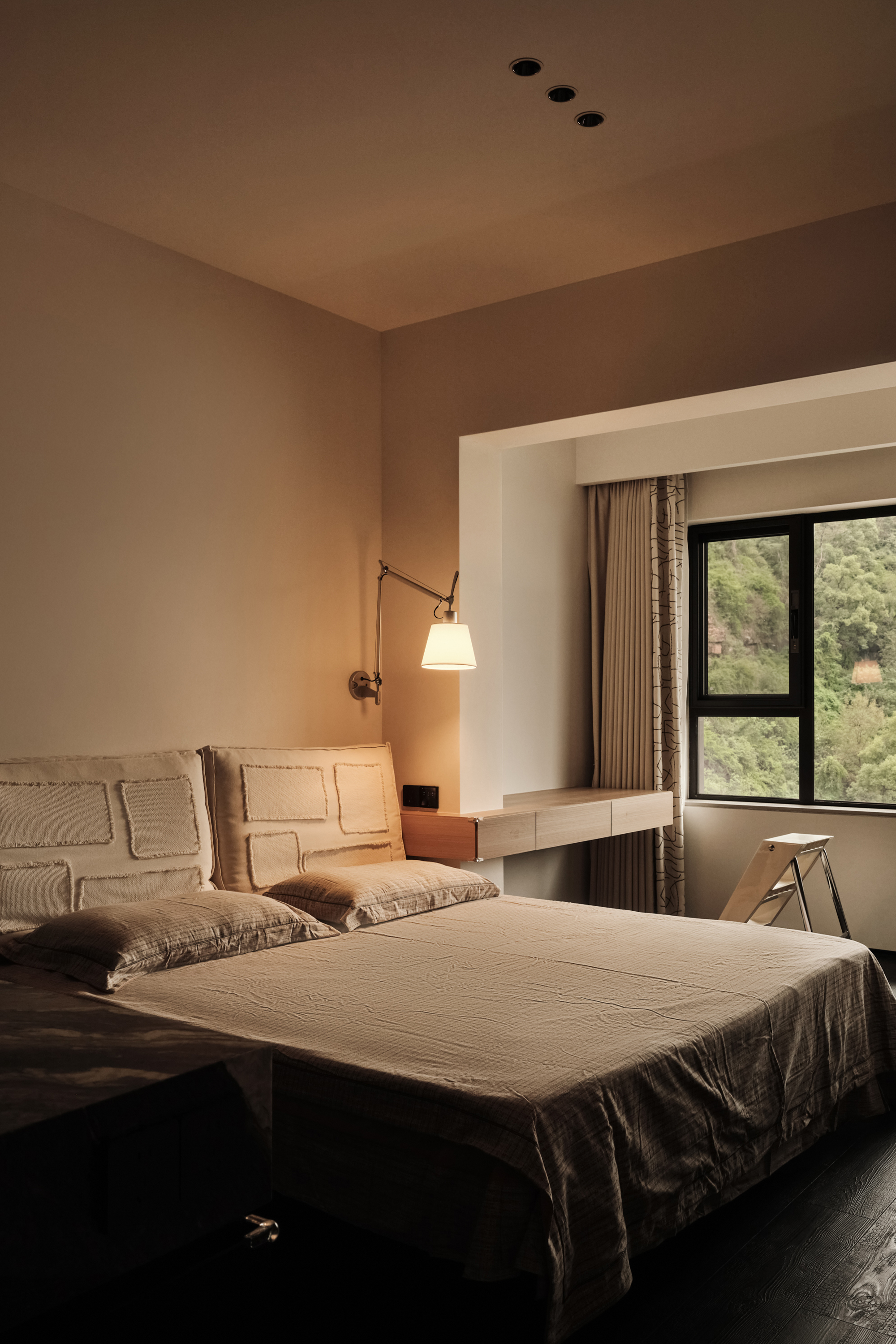
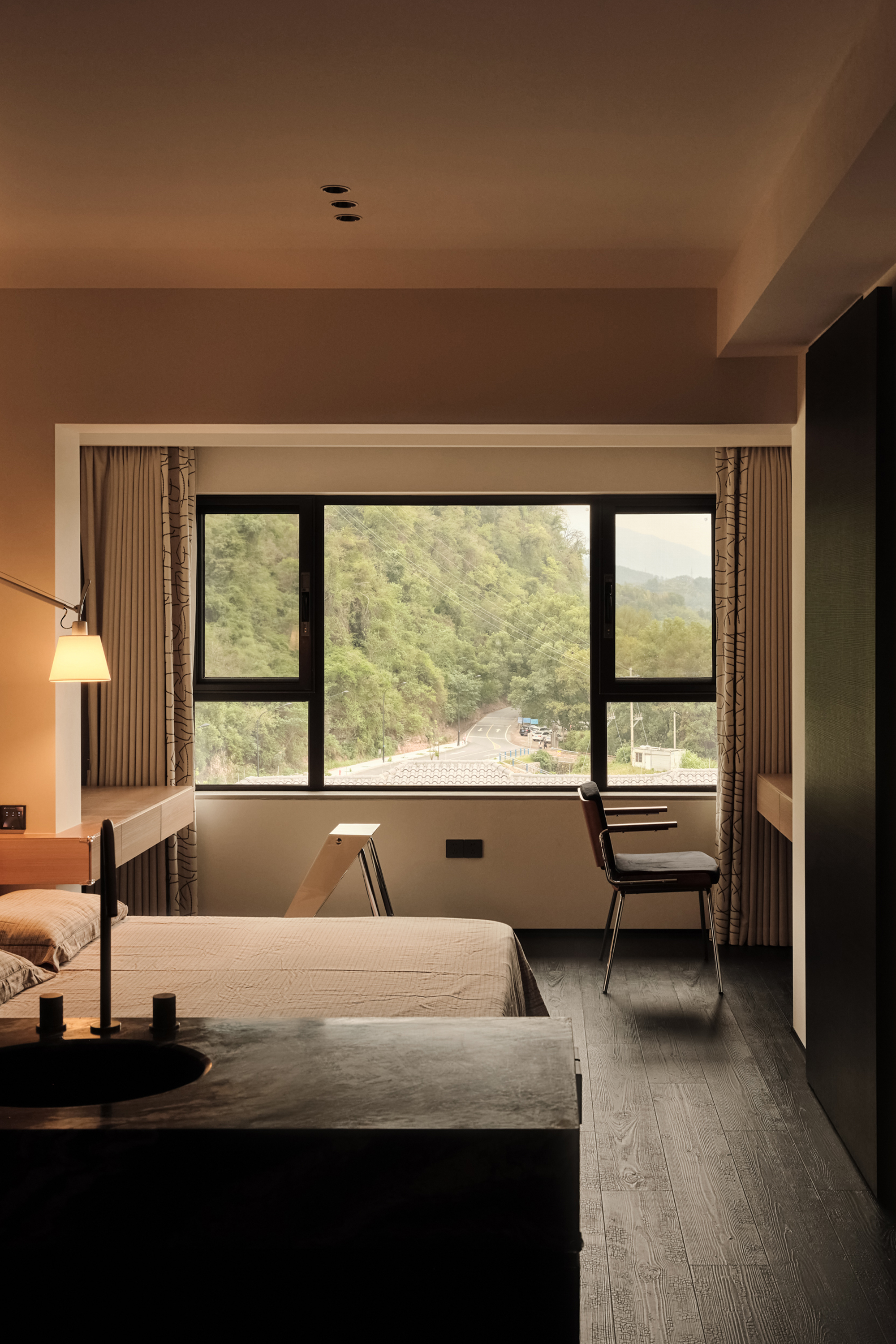
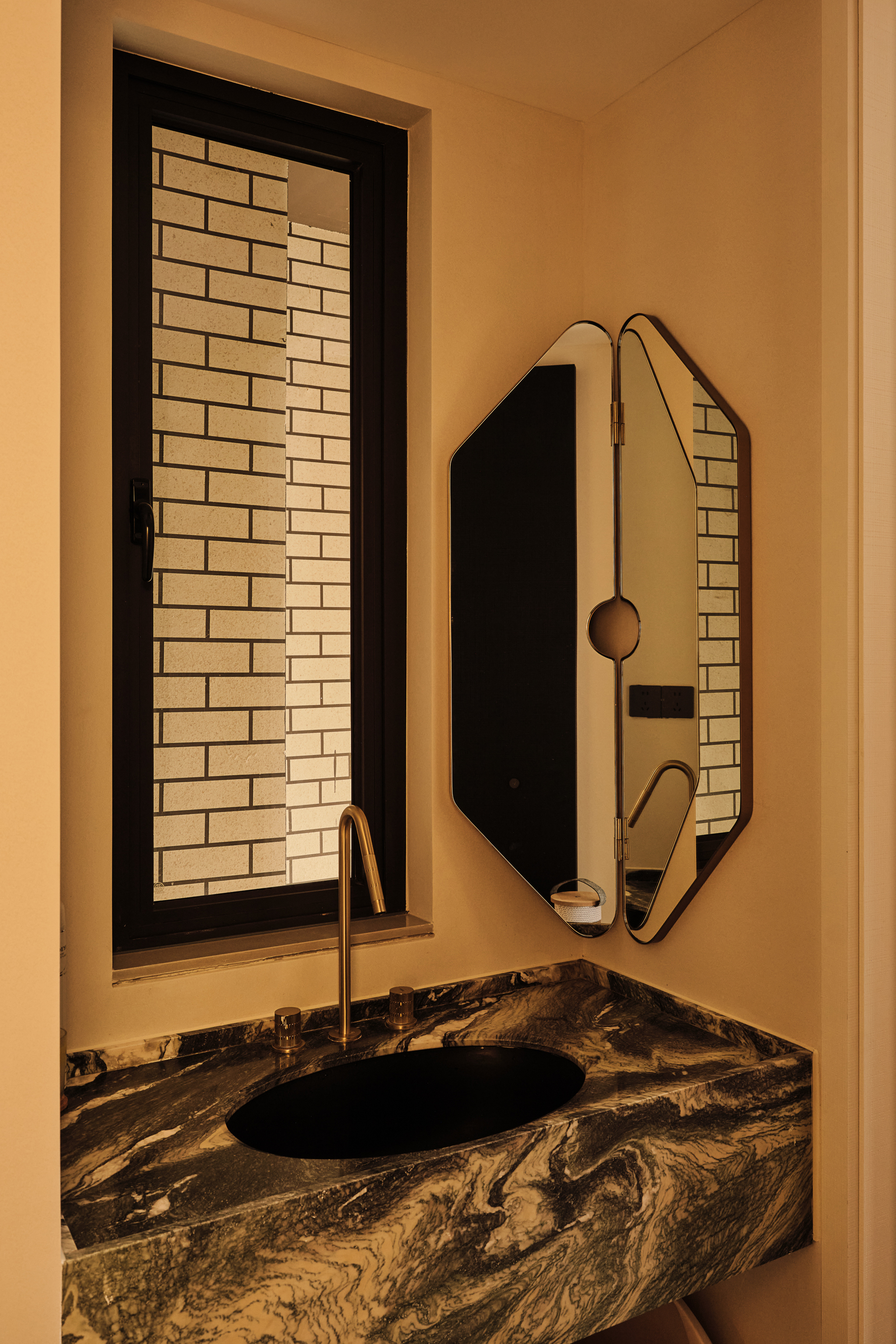
When design sheds the constraints of commercial uniformity and returns to the essence of life, a designer’s own home becomes the most honest soliloquy. The “little world” crafted by the designer is never merely a cold spatial transformation, but a gentle dialogue with the mountains, the lake, and the everyday – with the wind as messenger and light as brushstroke, weaving together the bones of architecture and the warmth of life, growing into an ideal form where “shape arises from the scenery, and peace of mind follows the setting.”

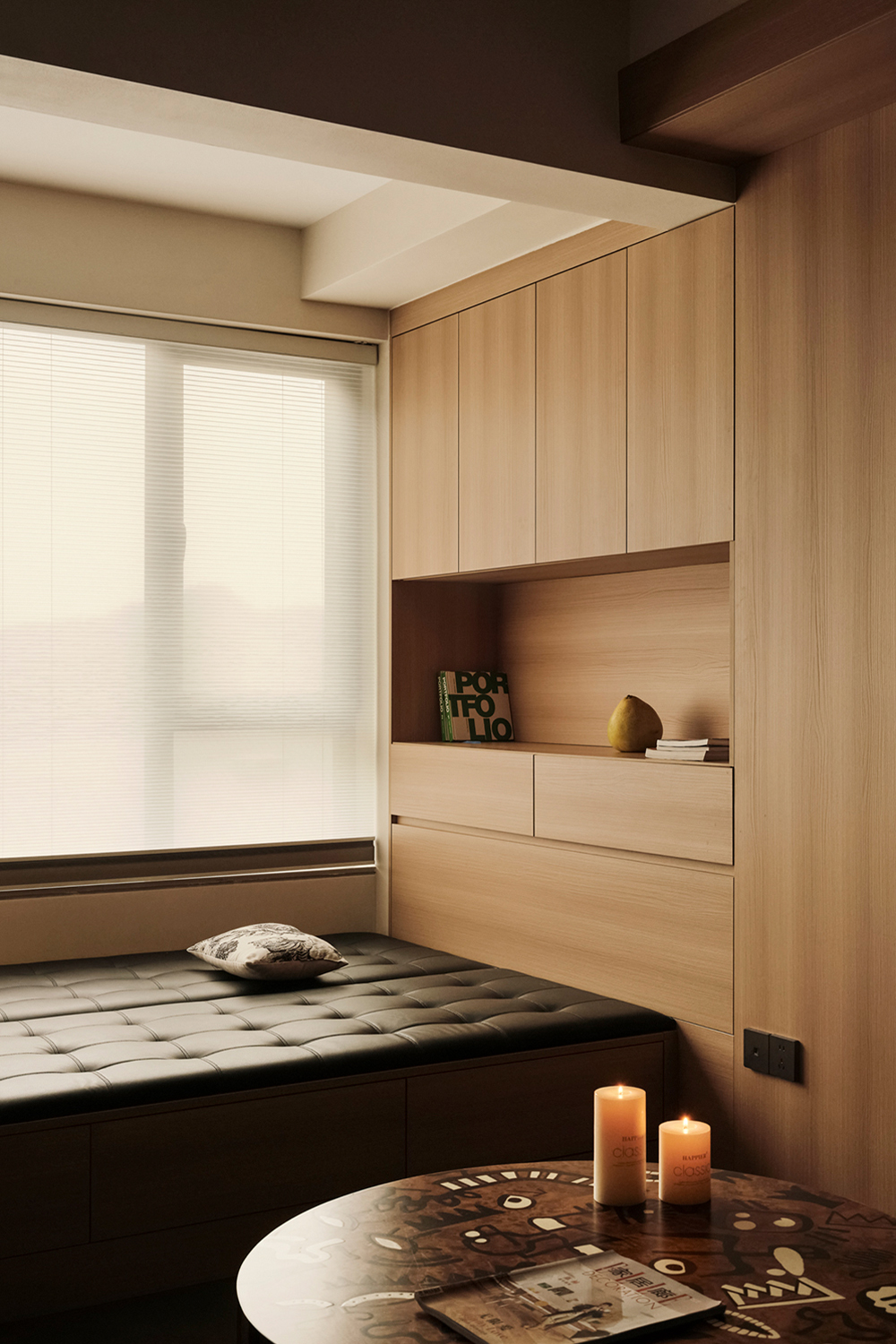
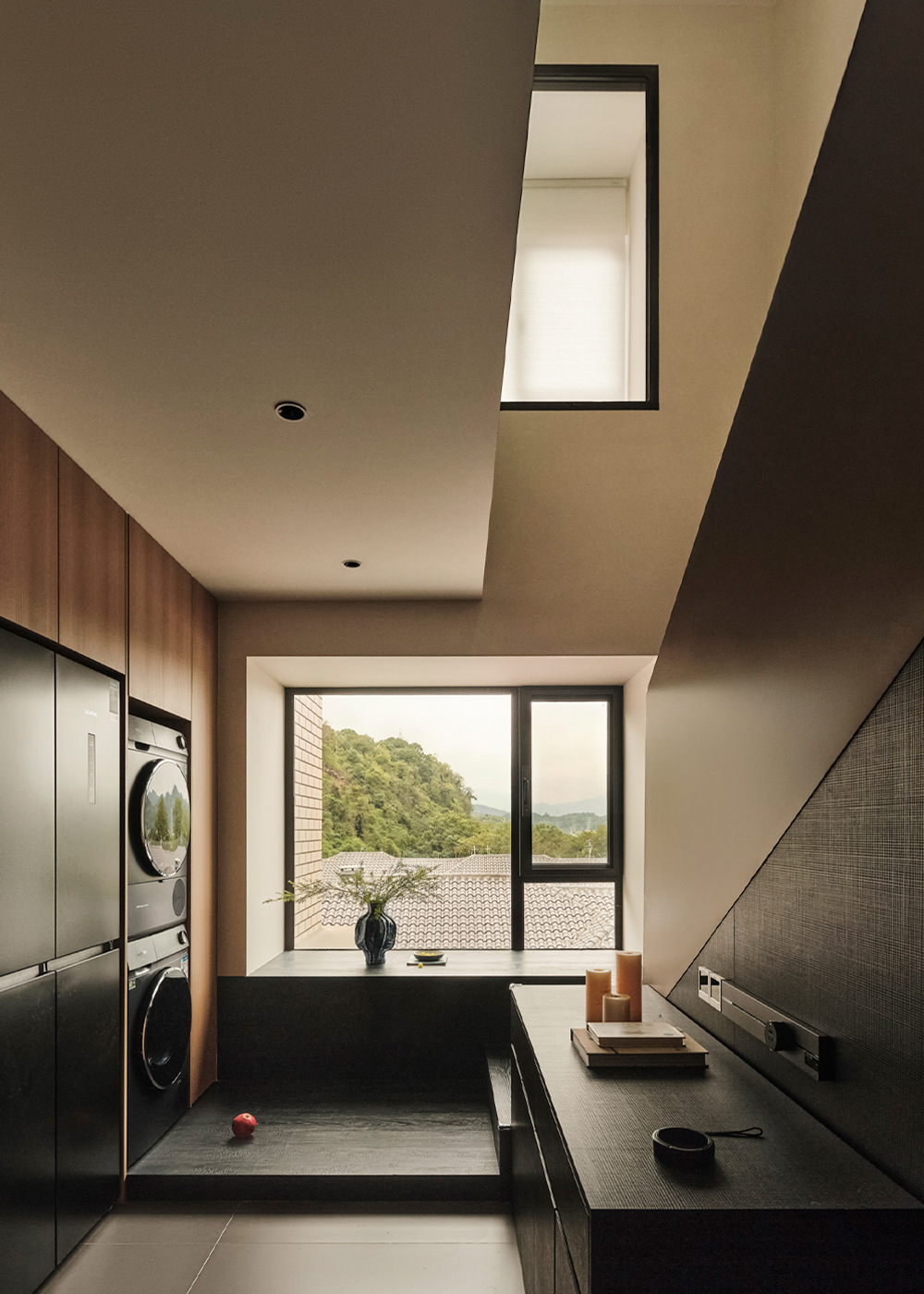
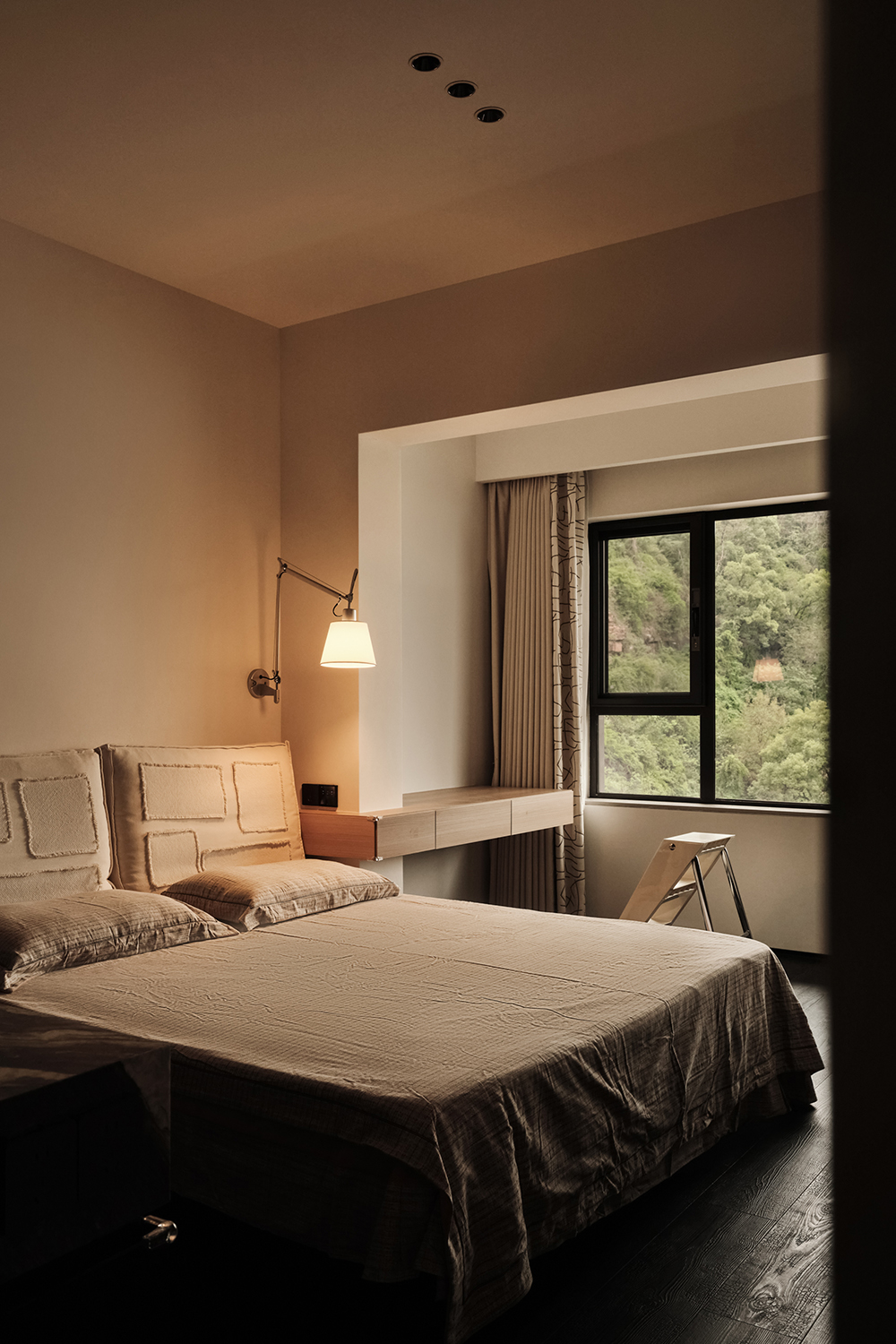
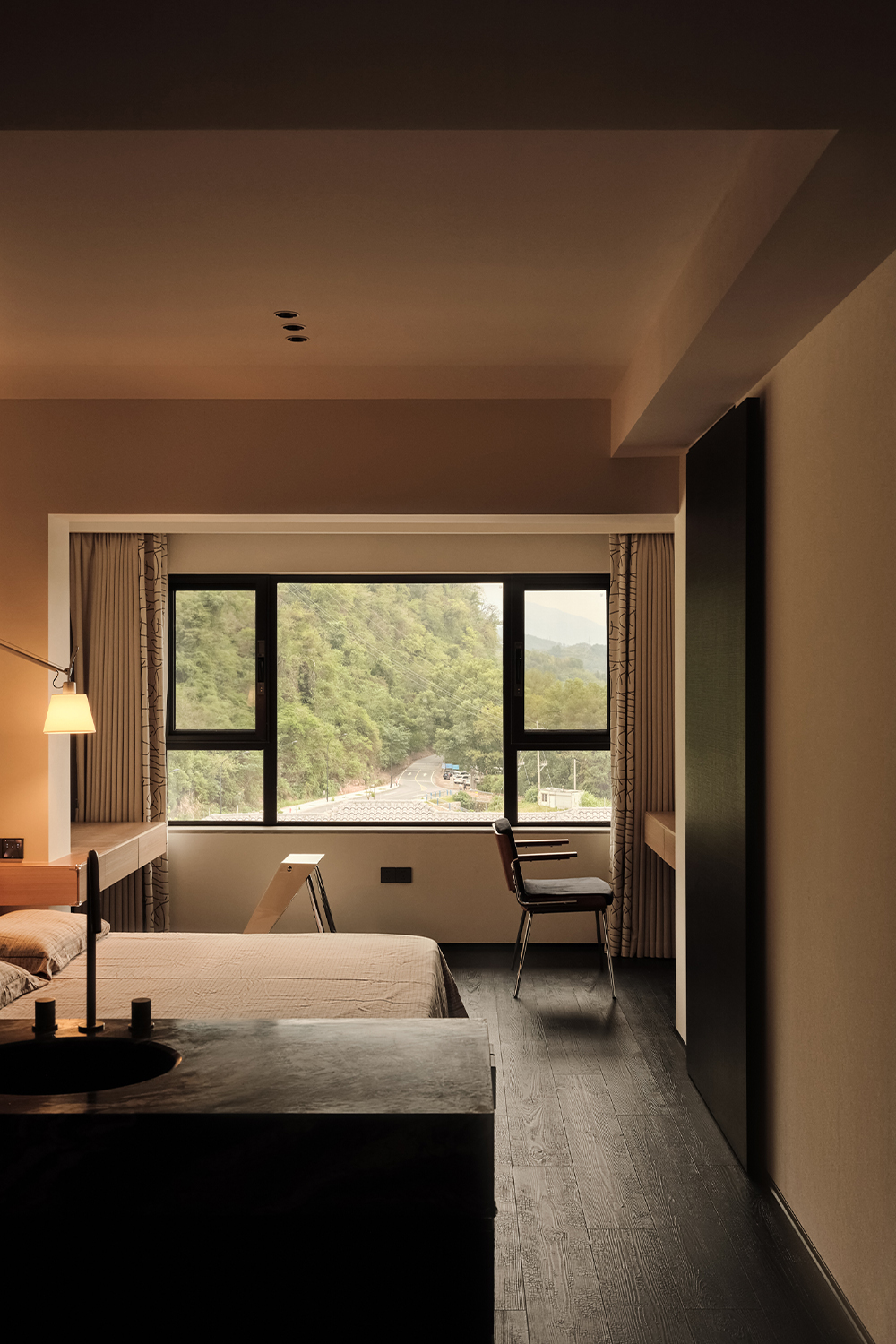
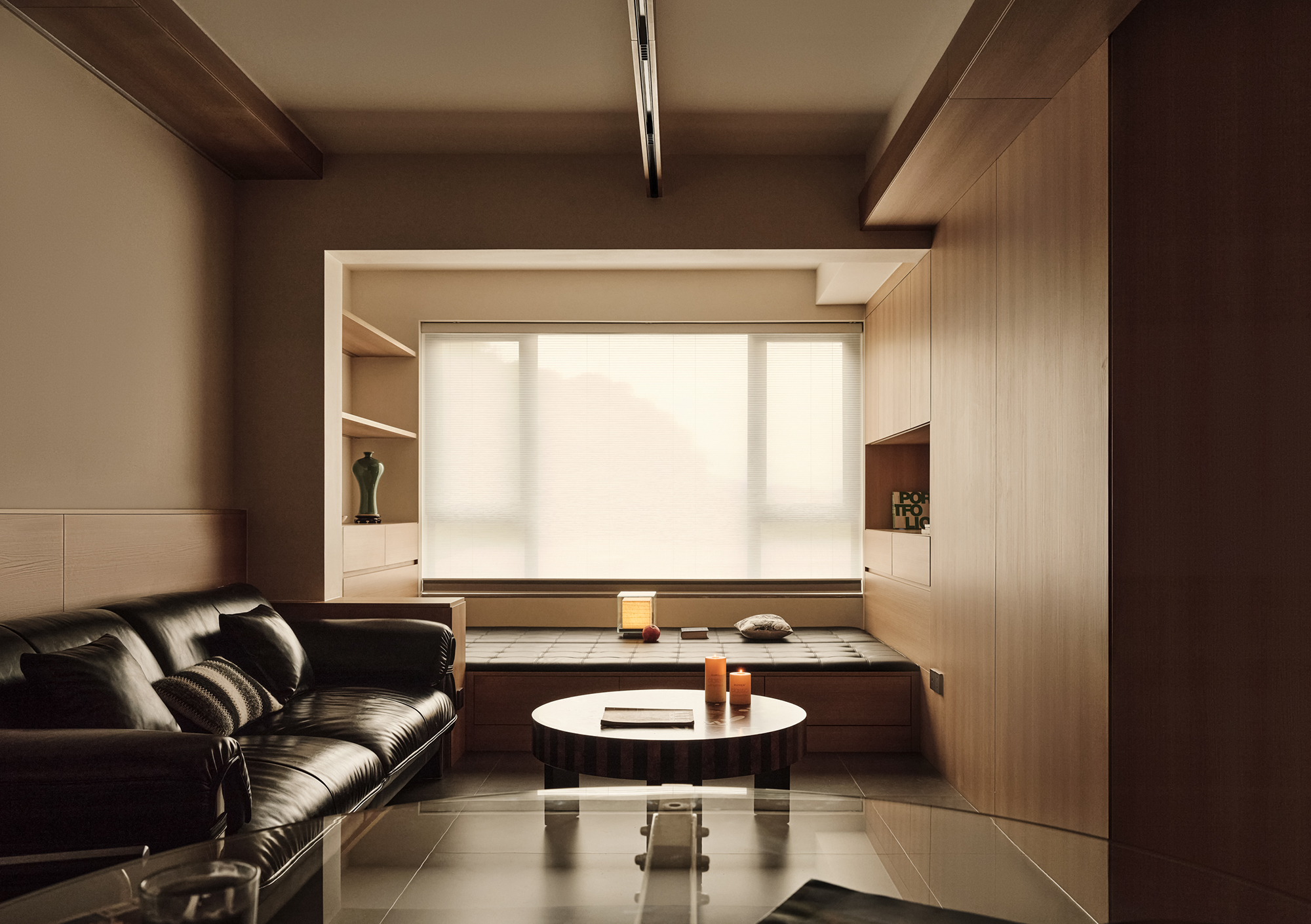
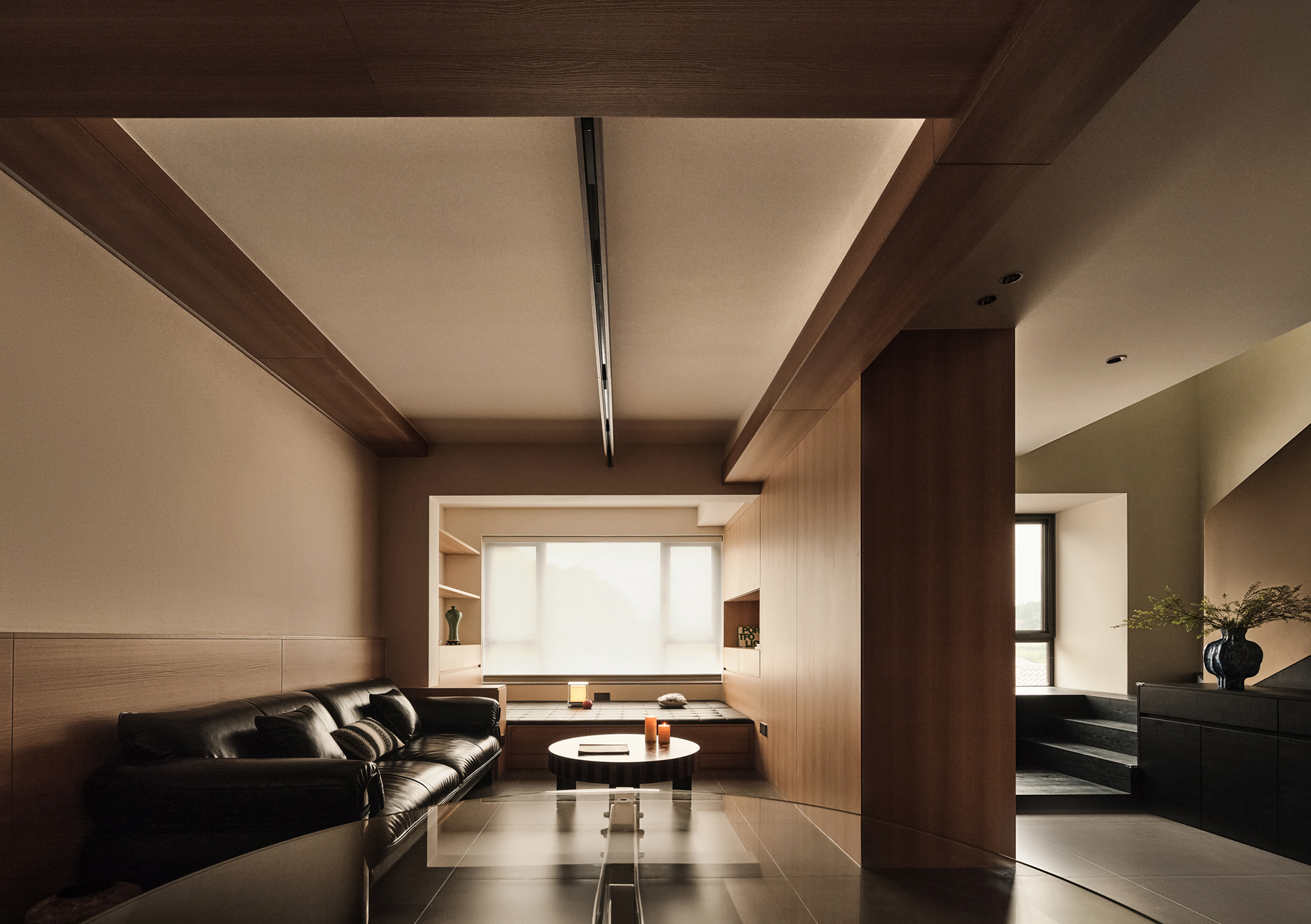
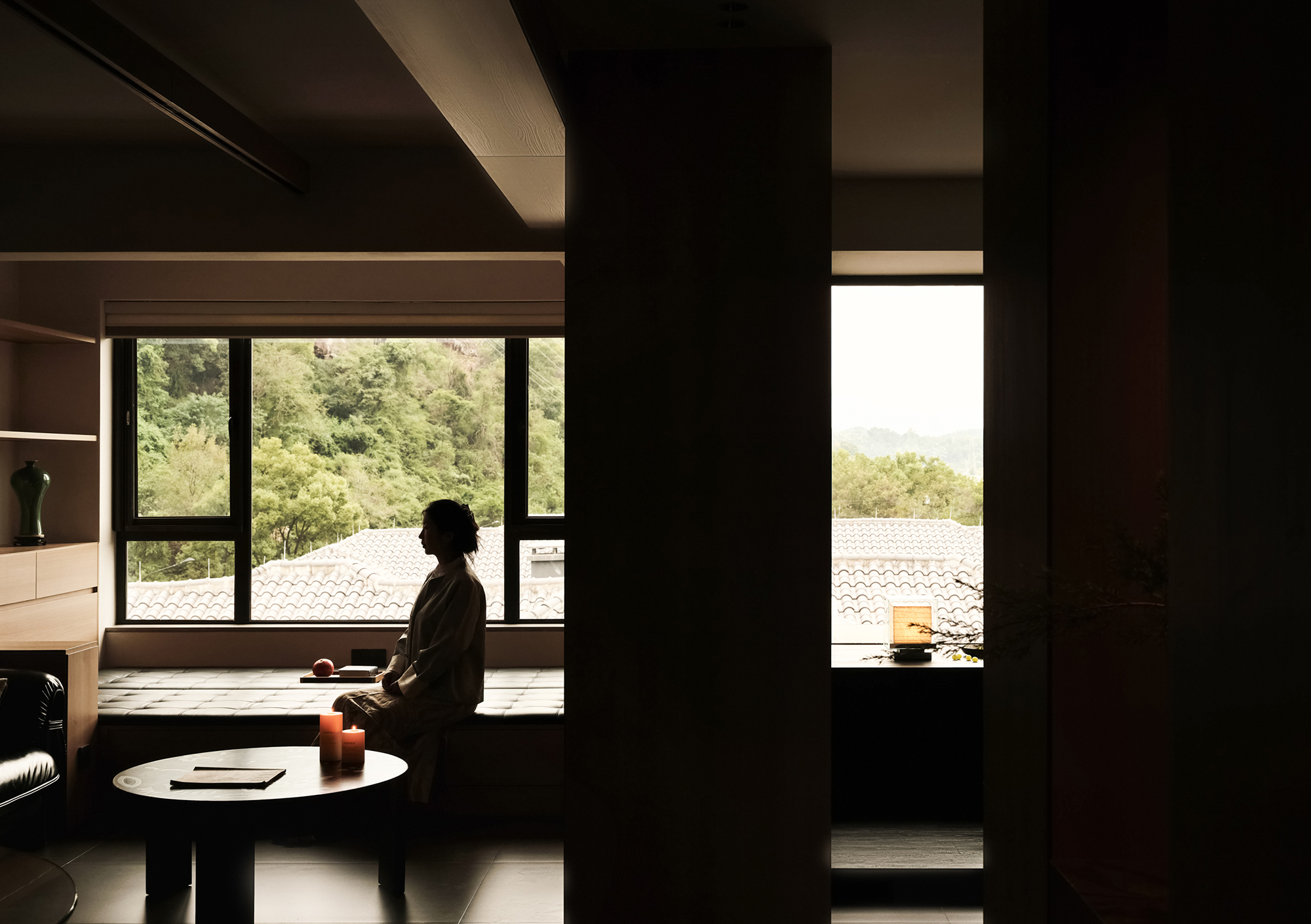
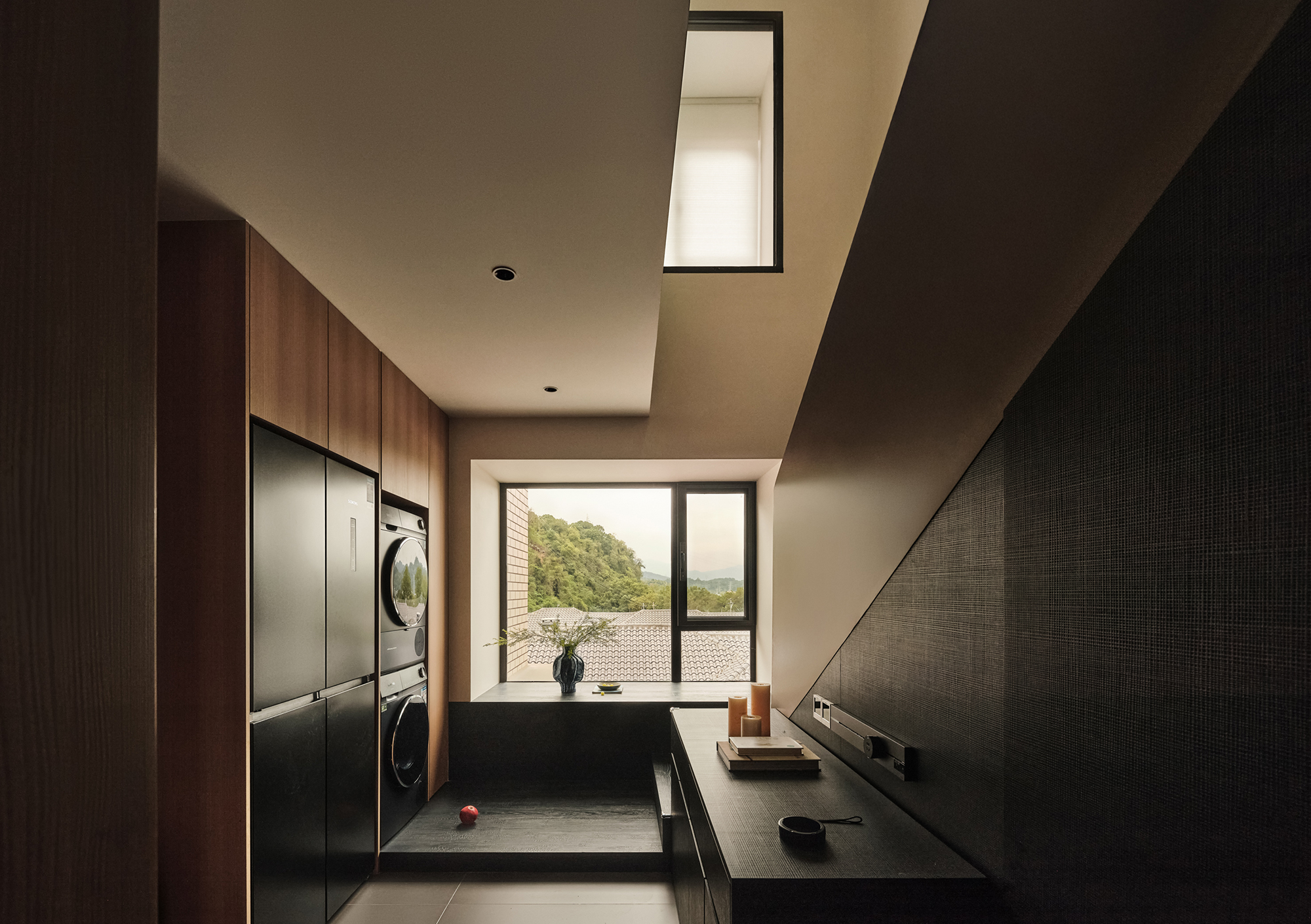
Choosing a site between mountain and lake is in itself a journey toward nature. Here, there are the unreplicable morning mists and evening hazes, the ever-shifting colors of the forest through the seasons. Rather than letting the building stand as a mere observer of nature, the designer used expansive floor-to-ceiling windows as “fluid picture frames.” At dawn, the thin mist drifts across the window frames, with distant mountains faintly visible in the haze; at dusk, the golden glow of the setting sun spills into the interior, coating walls and floors in warm light; even the rustle of wind through leaves and the ripples on the lake surface become the most vivid background sounds, permeating through this “boundary.”
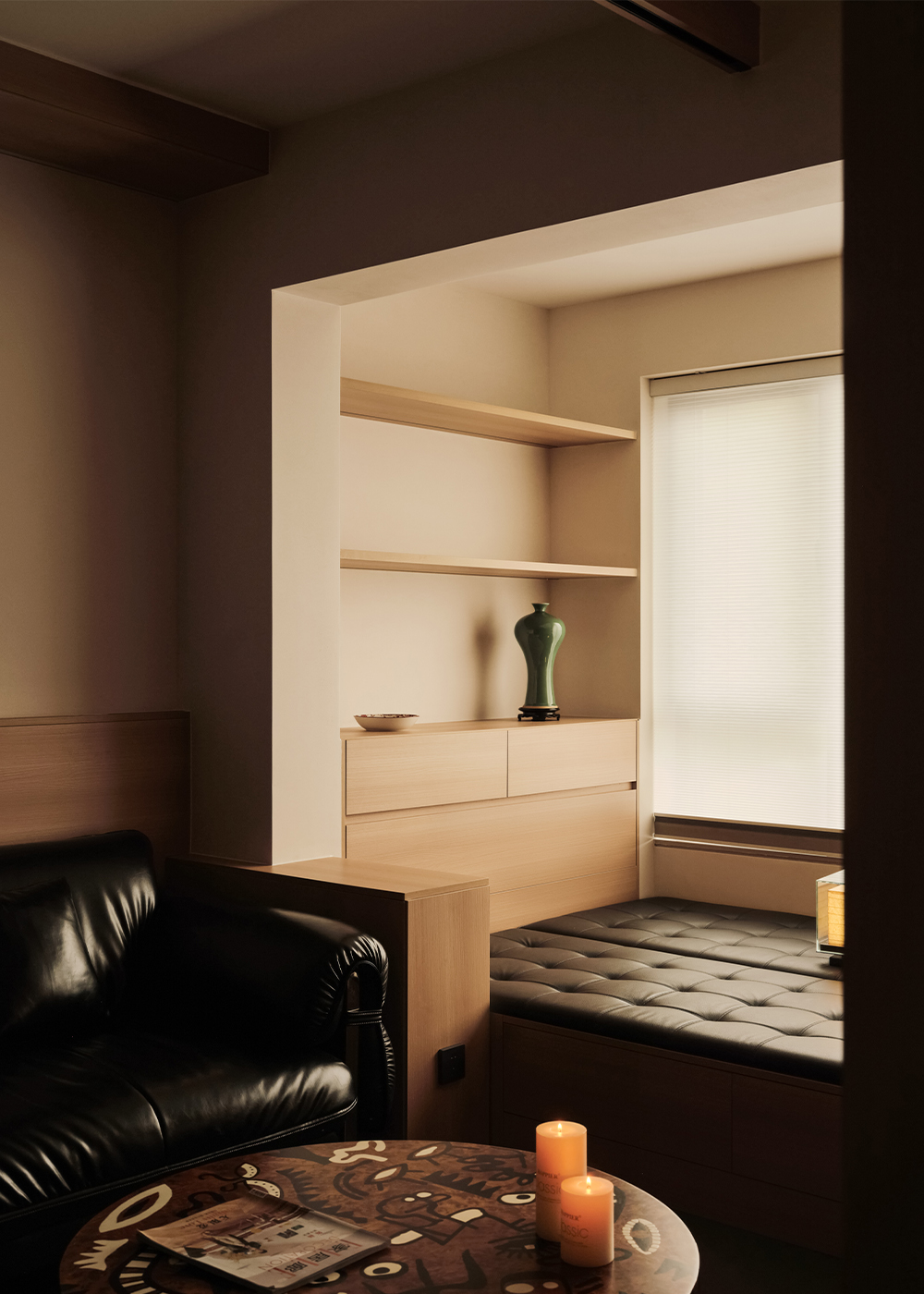
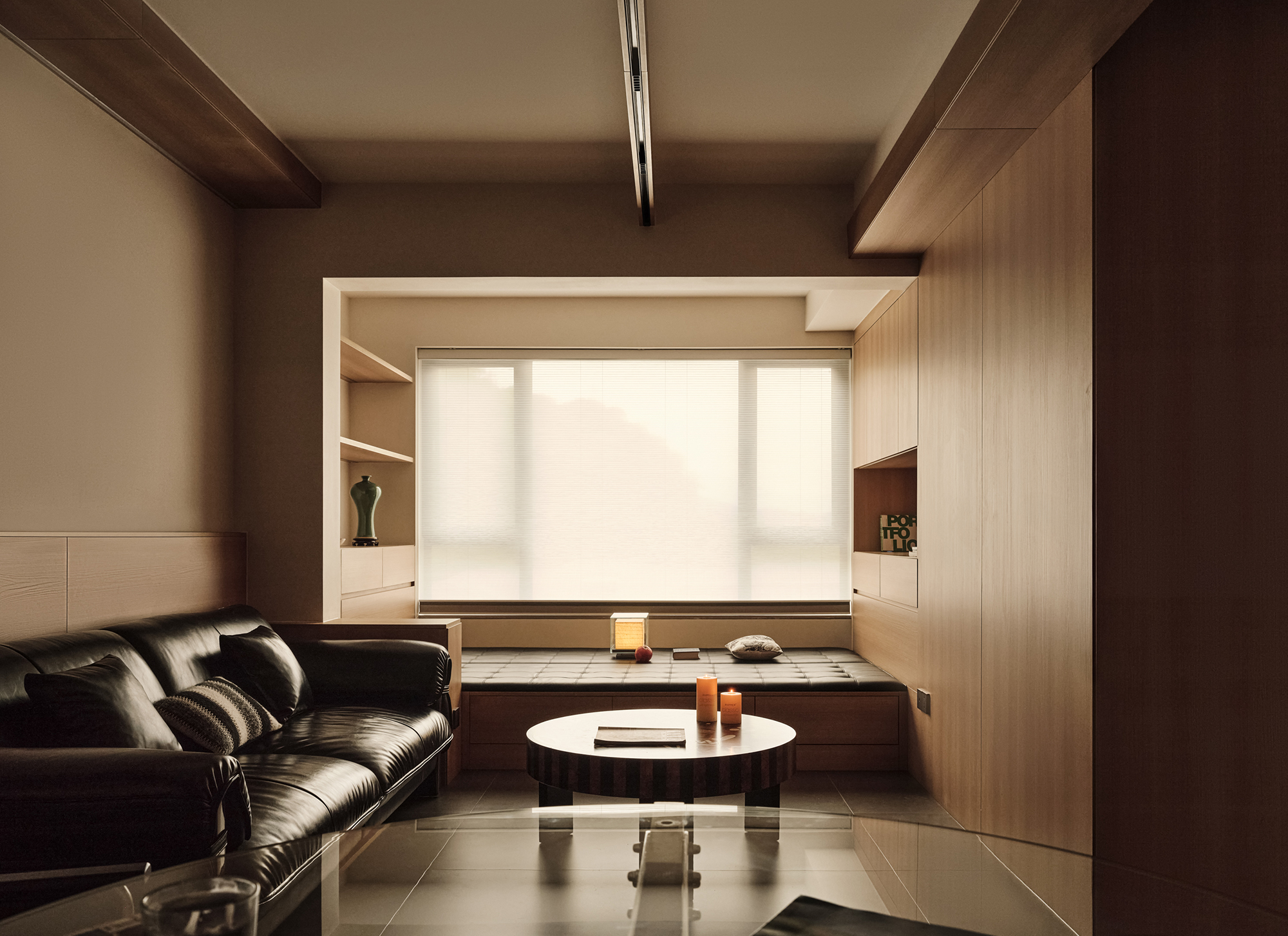
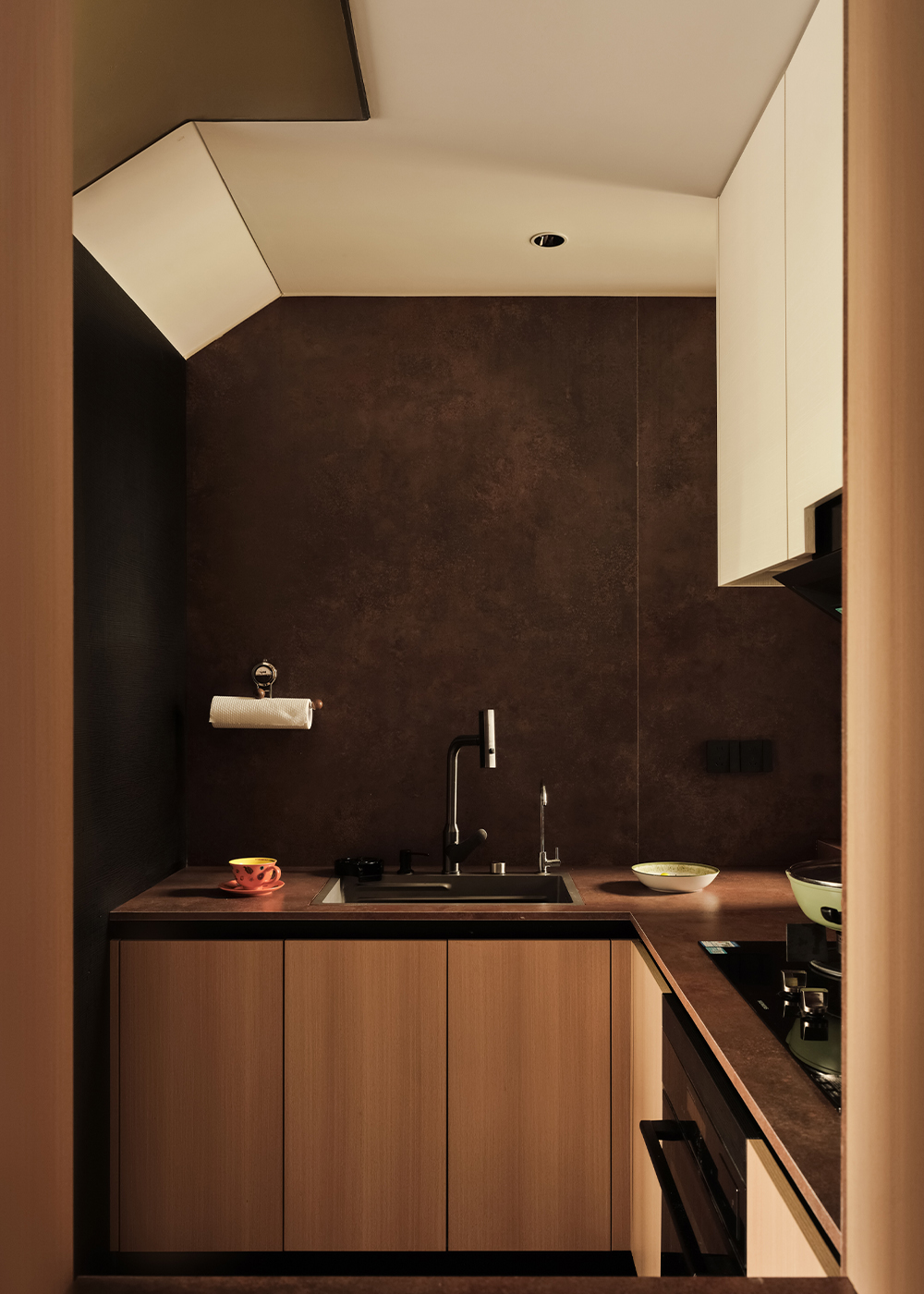
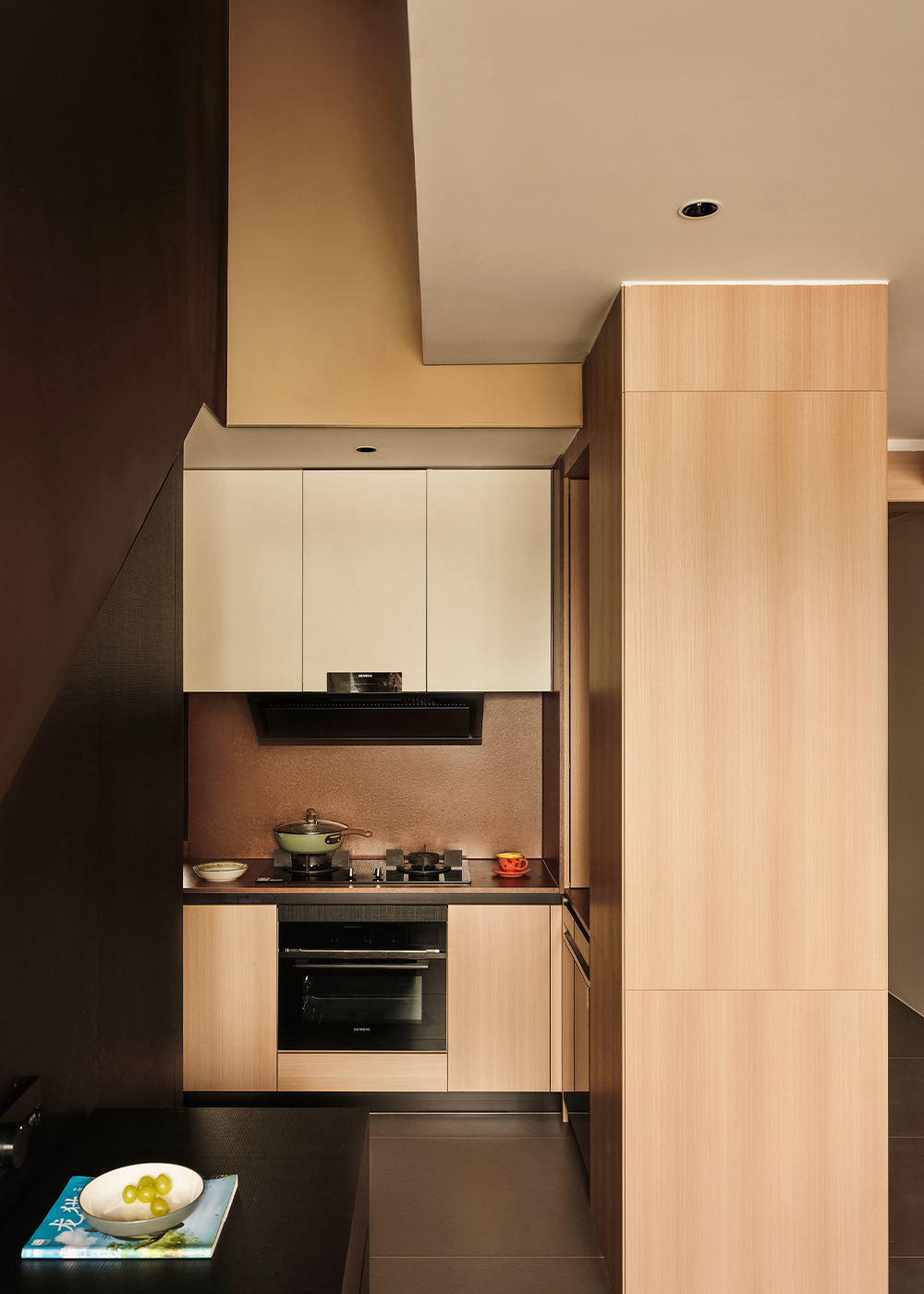
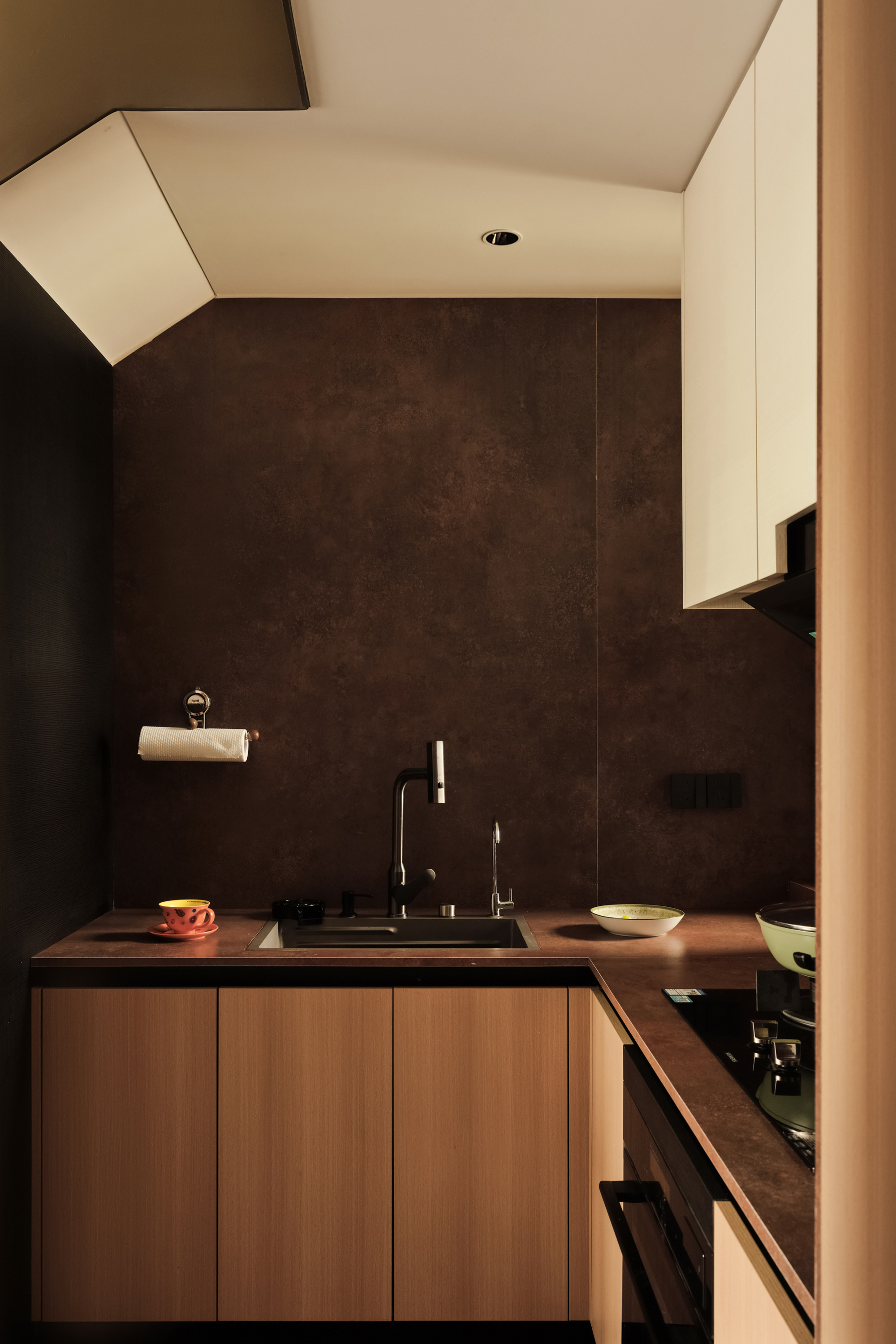
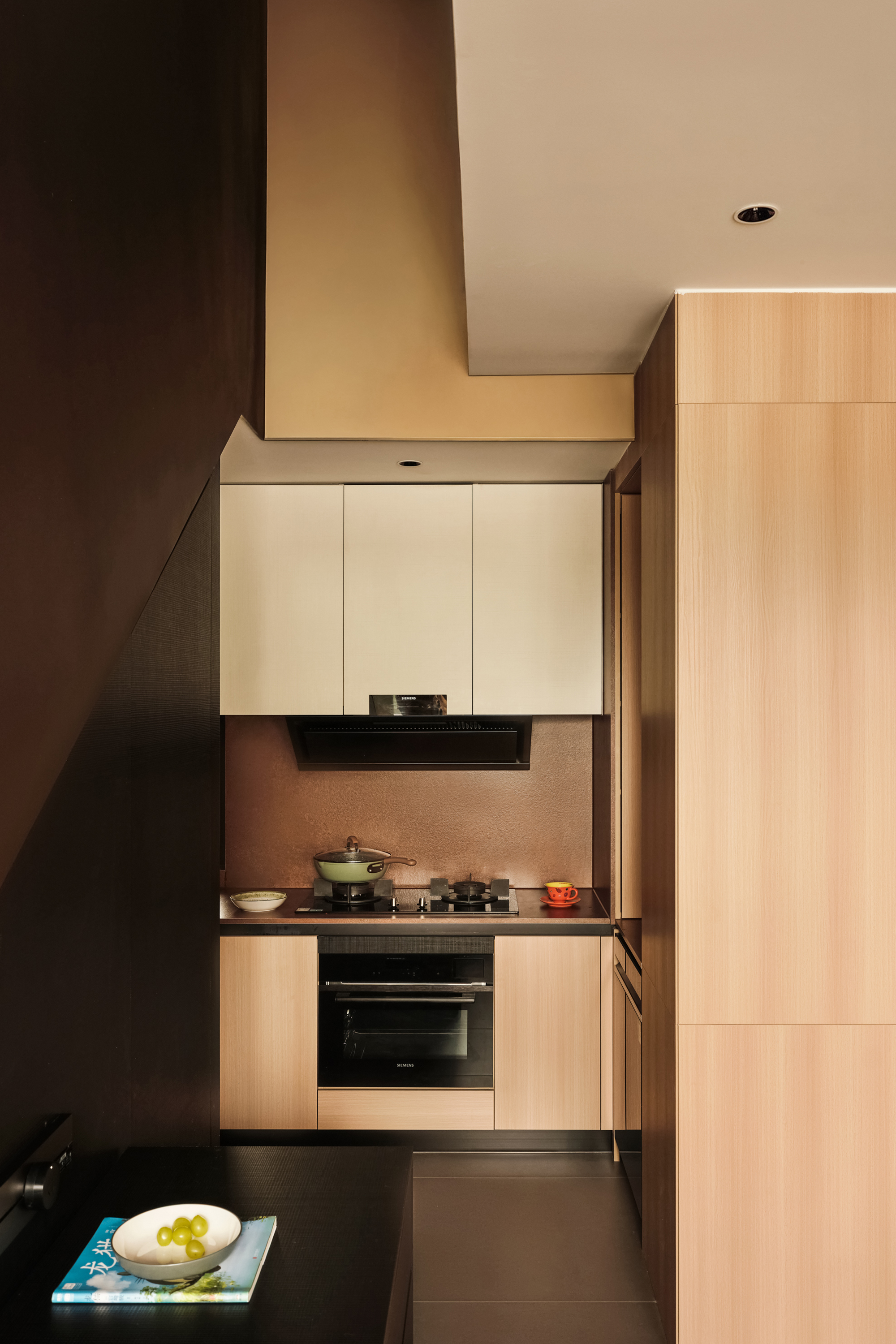
A good space should, like life itself, carry warmth and flexibility. Every layout in this home holds the designer’s subtle insight into daily living. There is no need to pursue superficial luxury; practicality is at the core: the flow of the kitchen, the child’s growing space, the owner’s resting corners – all are guided by the principle of “comfort.” There is no need to pile on trendy elements; nature is eternal: the green of the forest, the blue of the lake, the warmth of light are the most moving adornments. There is no need to deliberately create style; ease is the true essence: one can spend an afternoon gazing at the lake view in the living room or stay in the study all day, without having to please anyone but oneself.
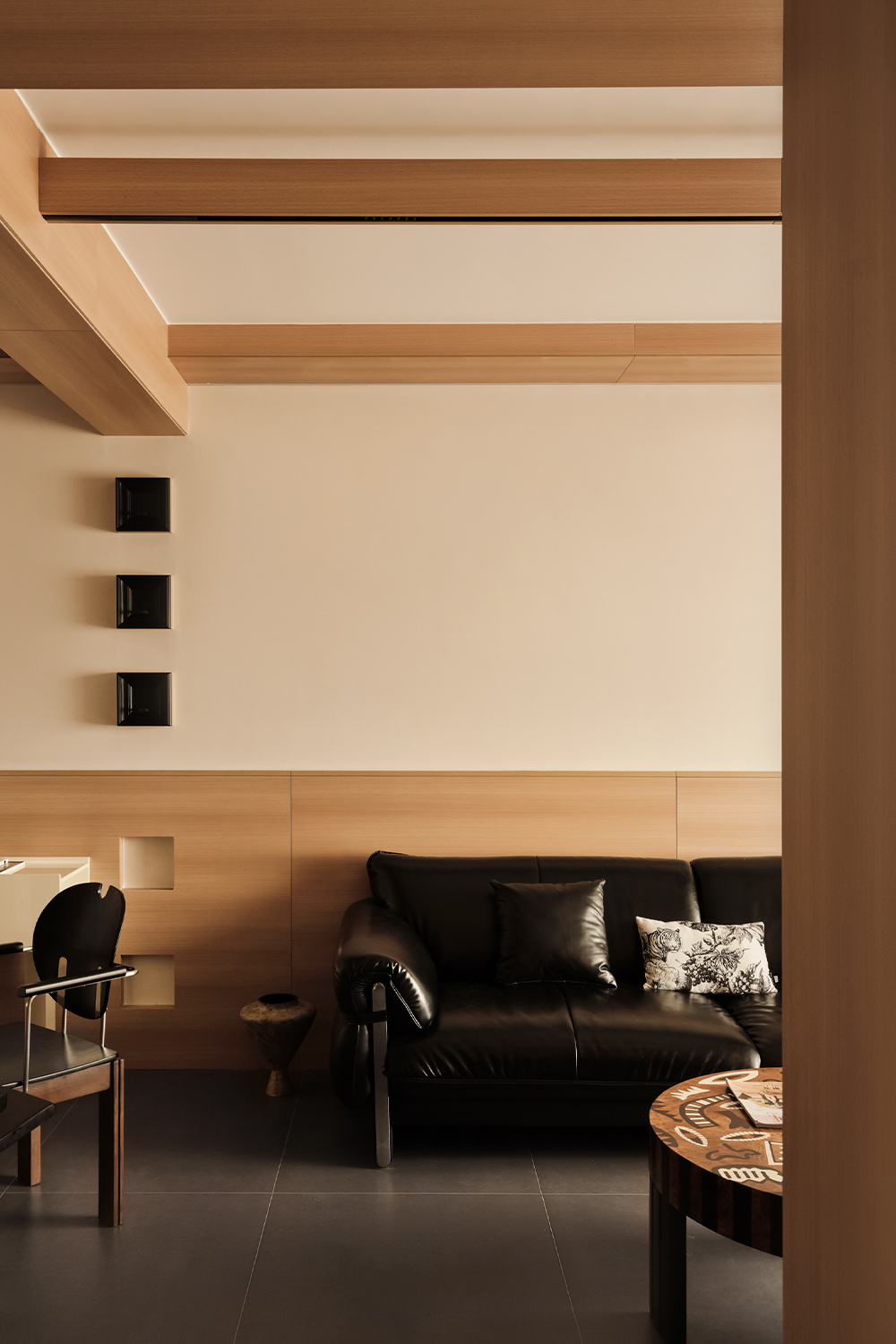
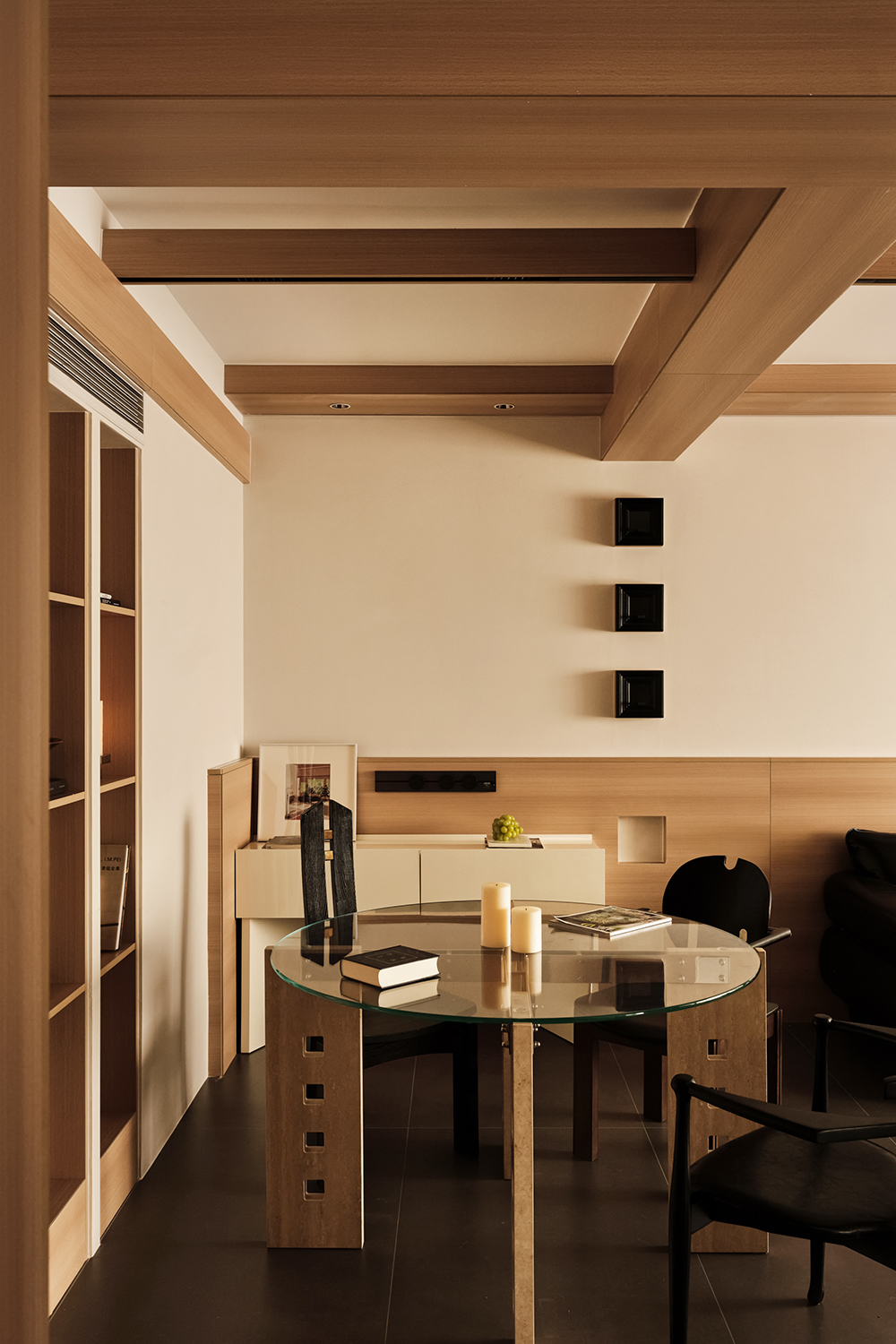
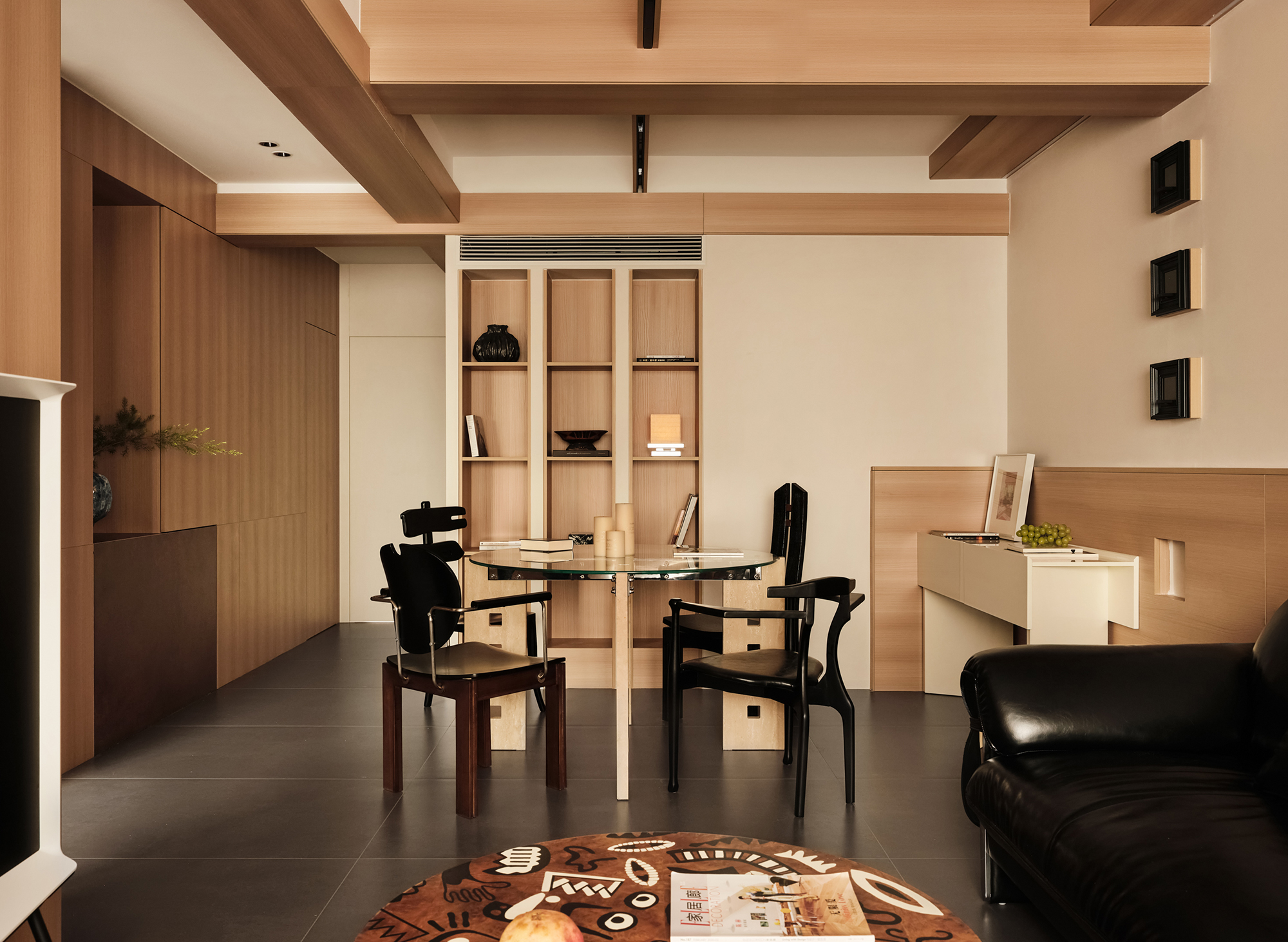
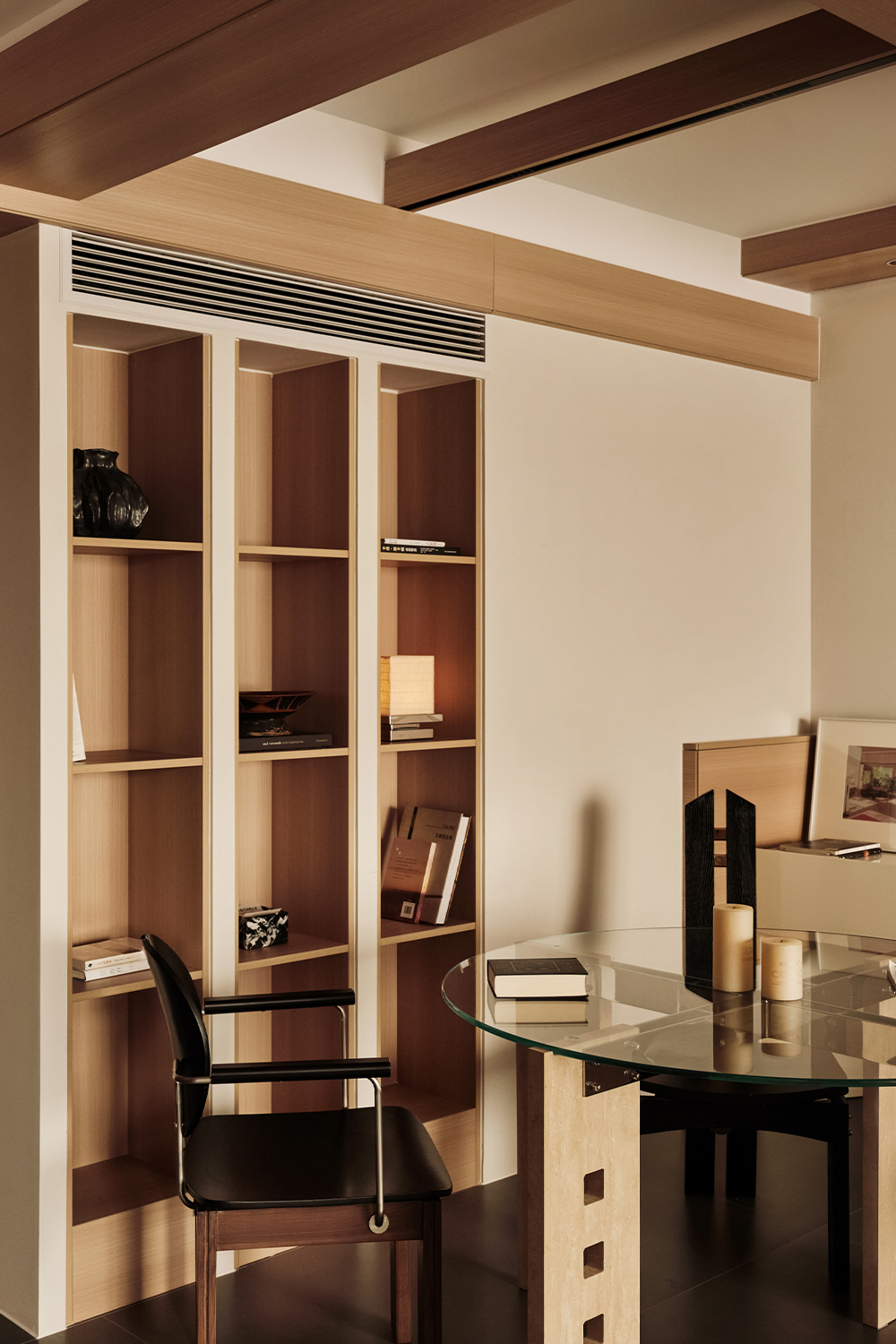
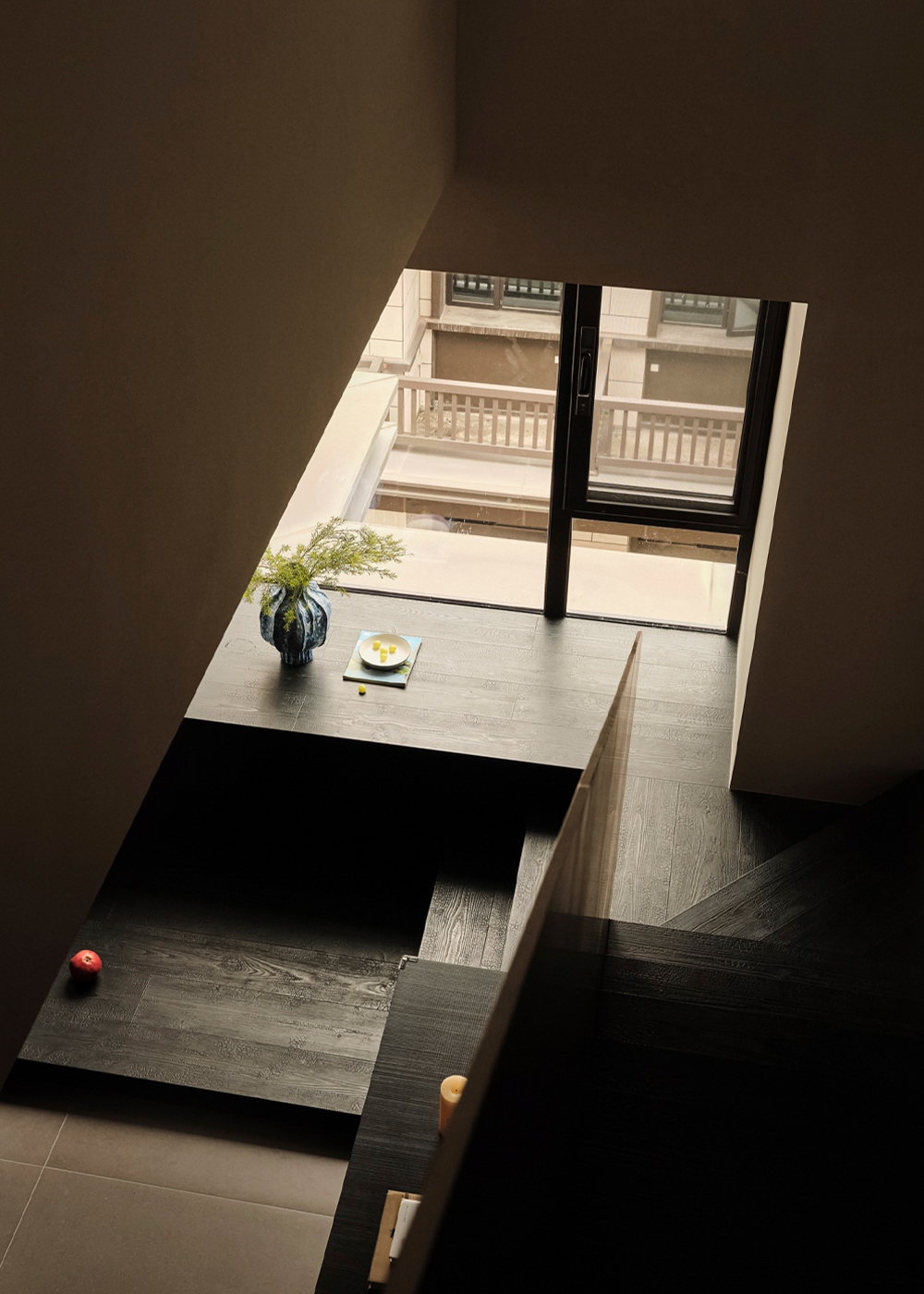
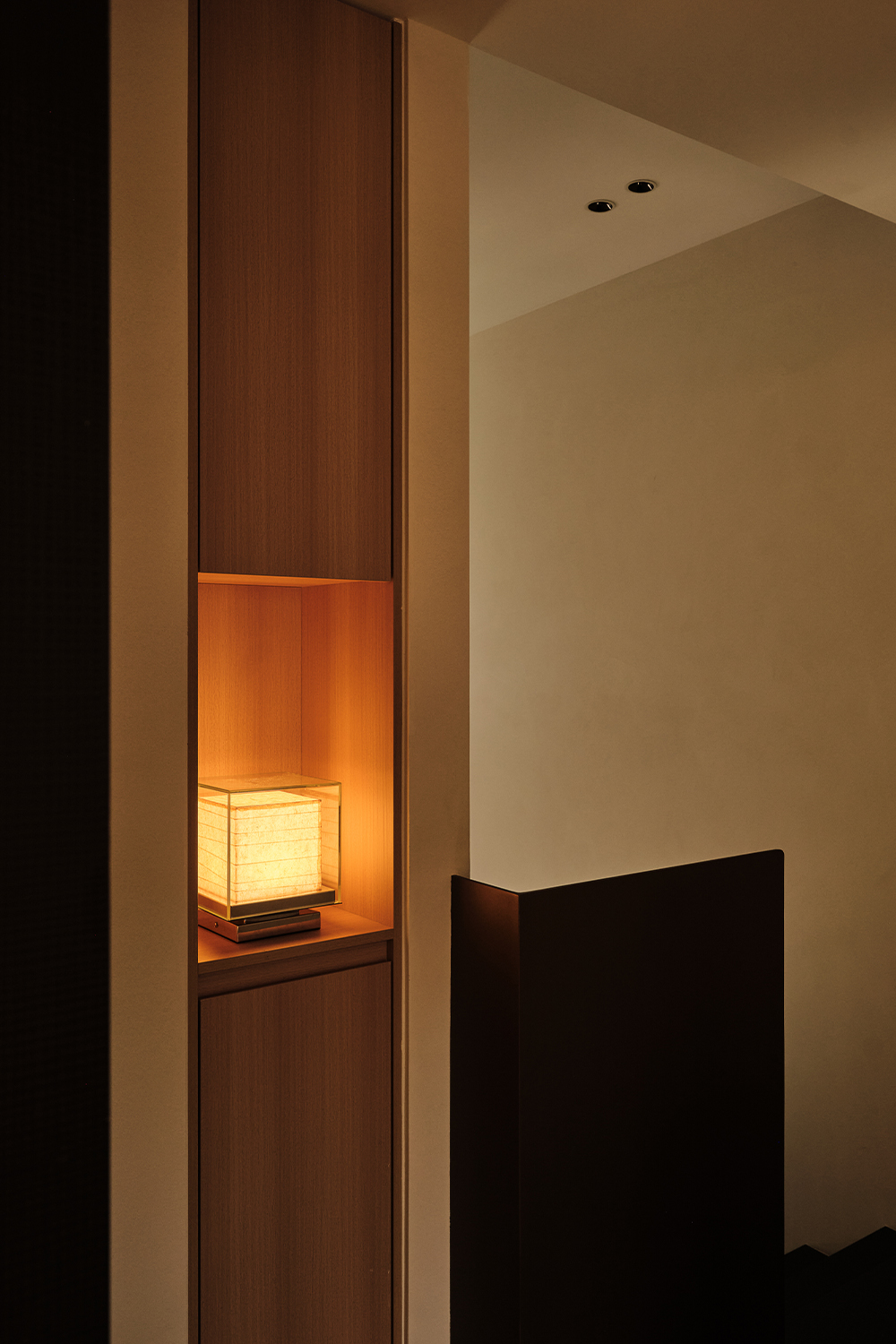
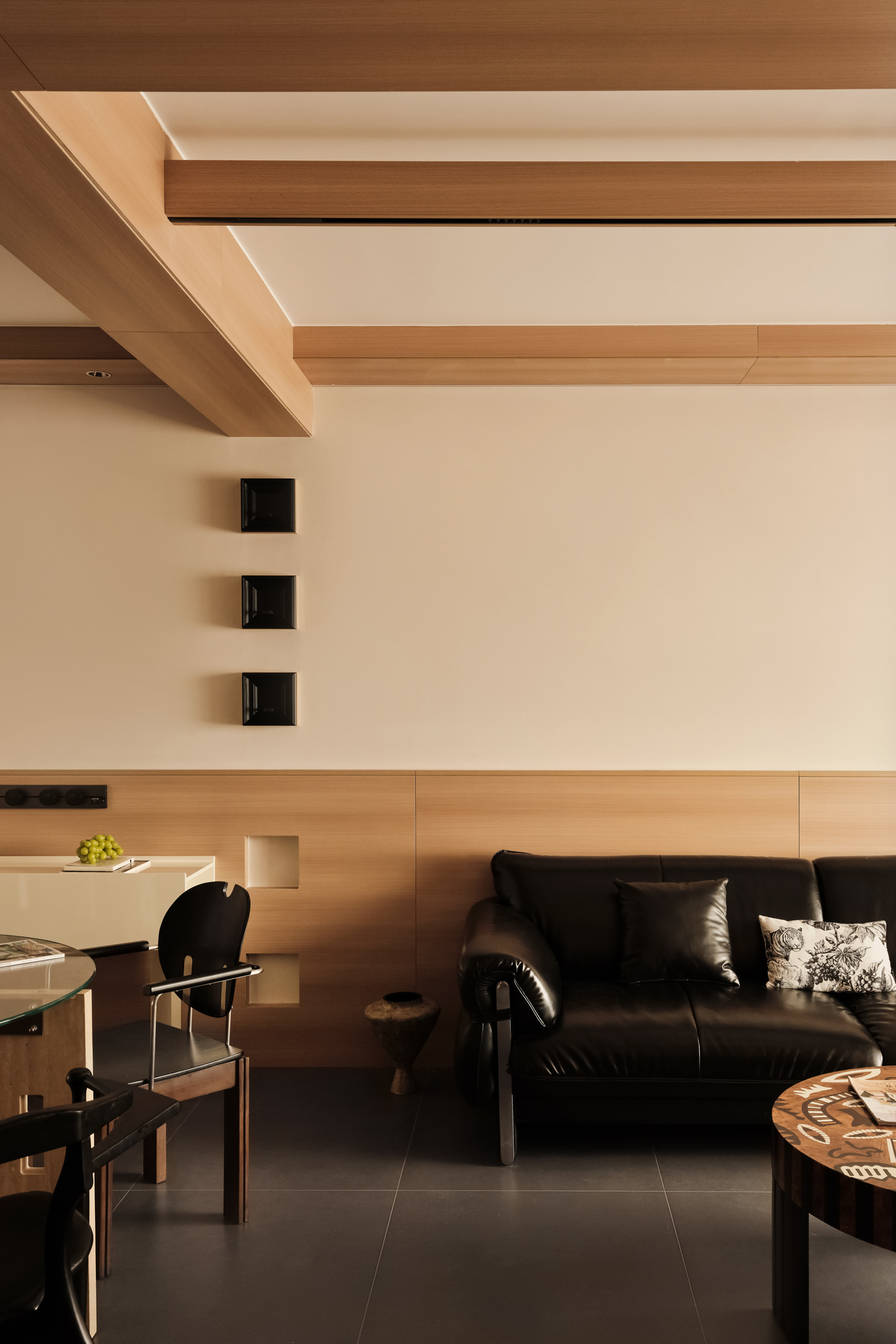
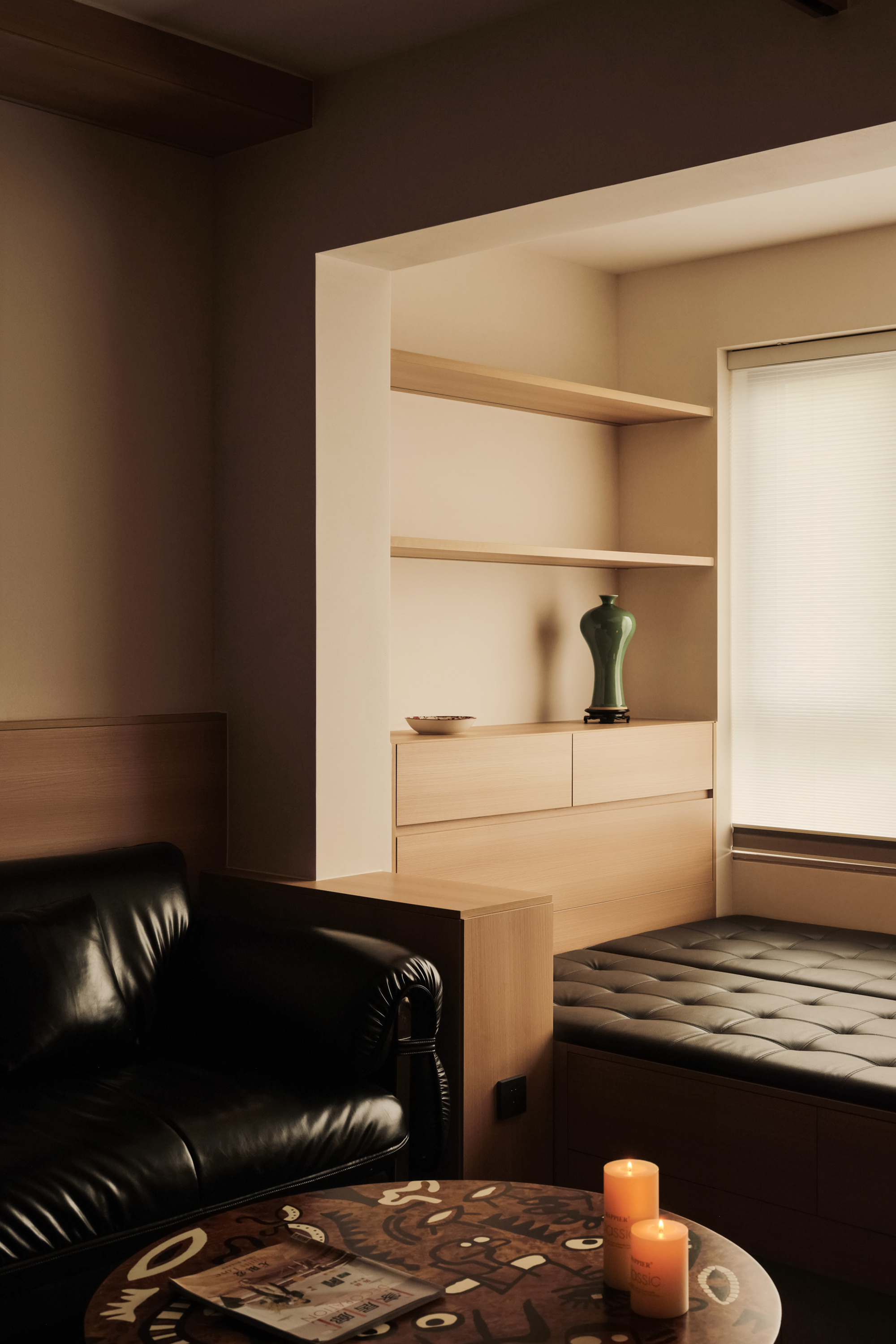
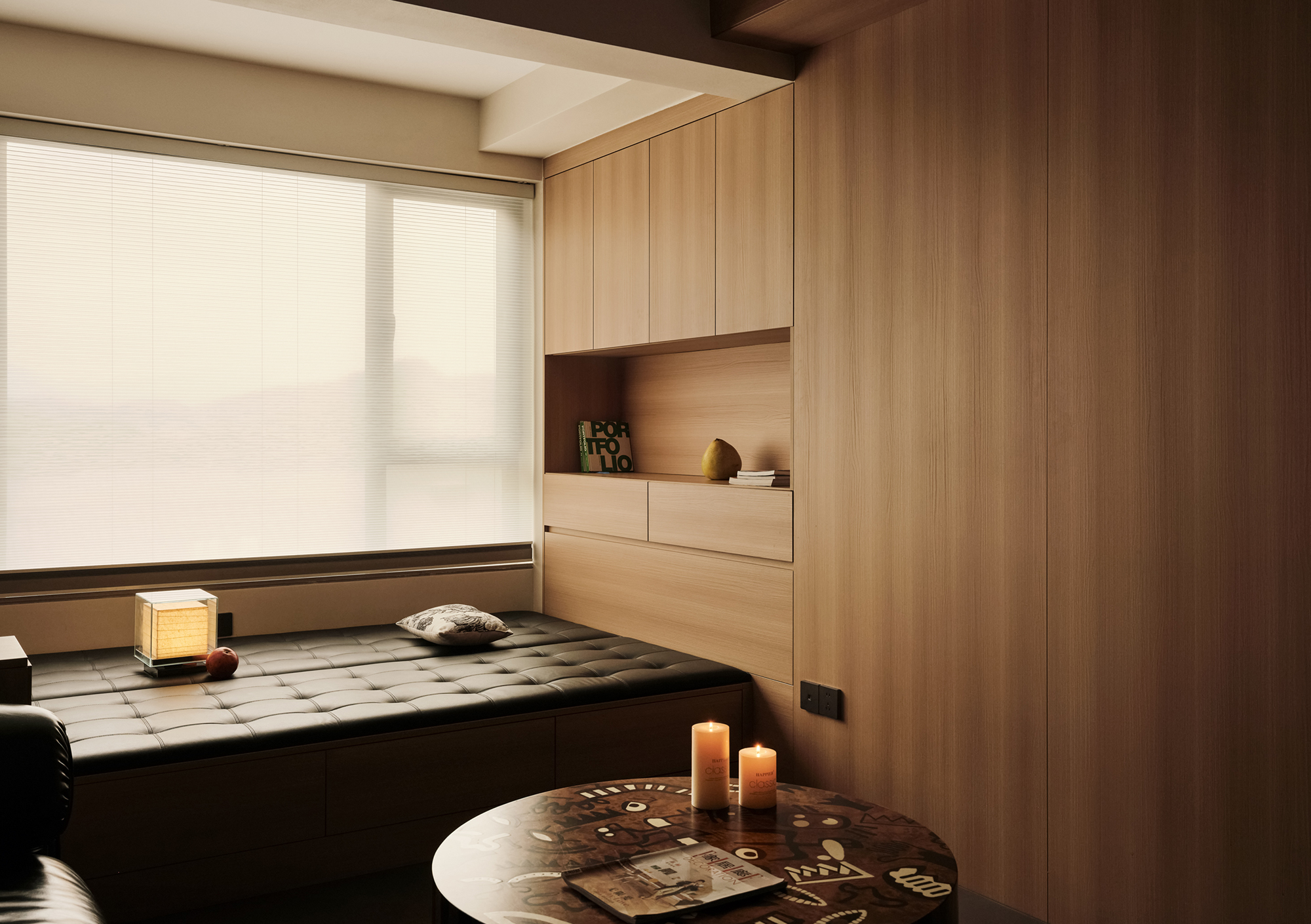
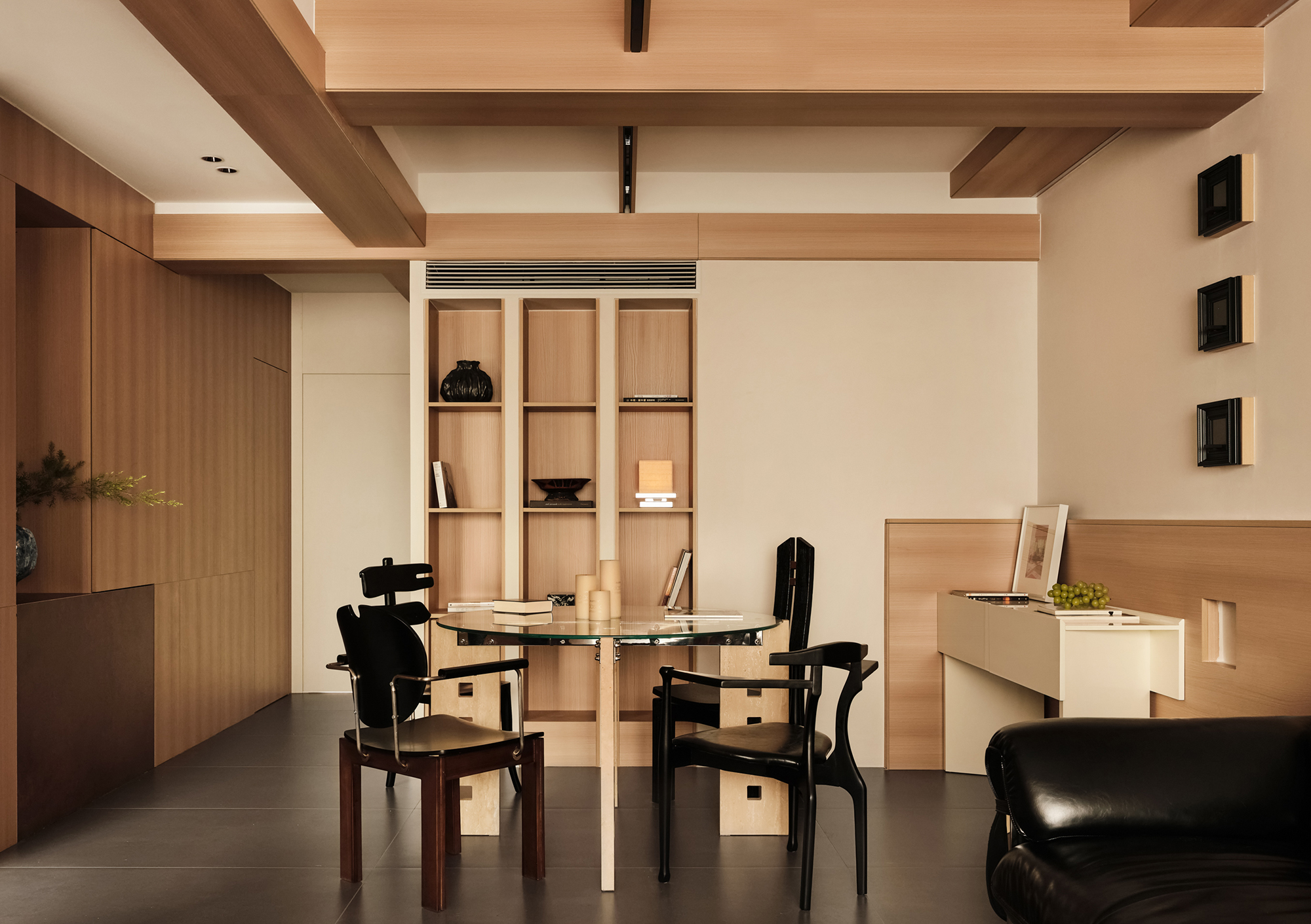
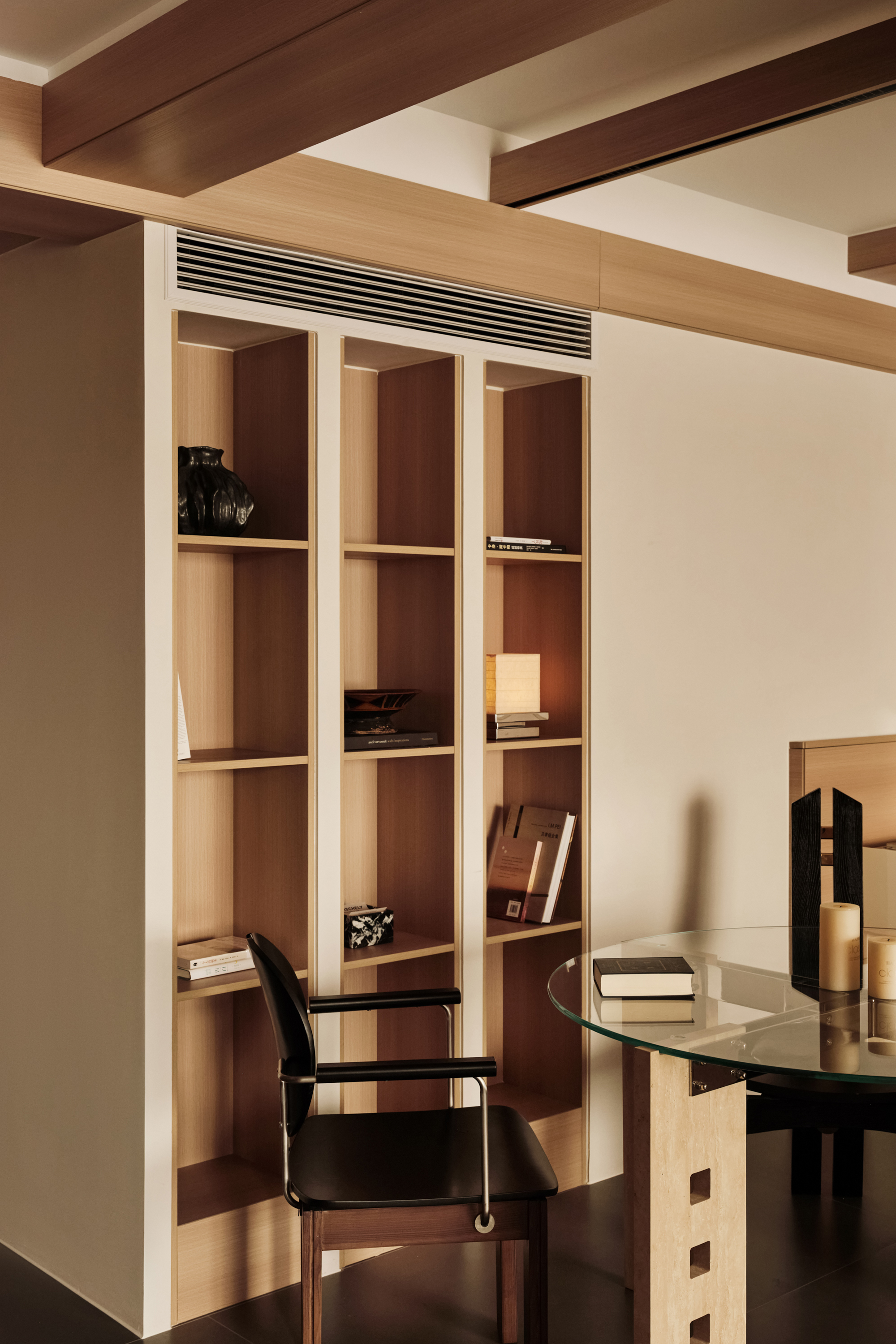
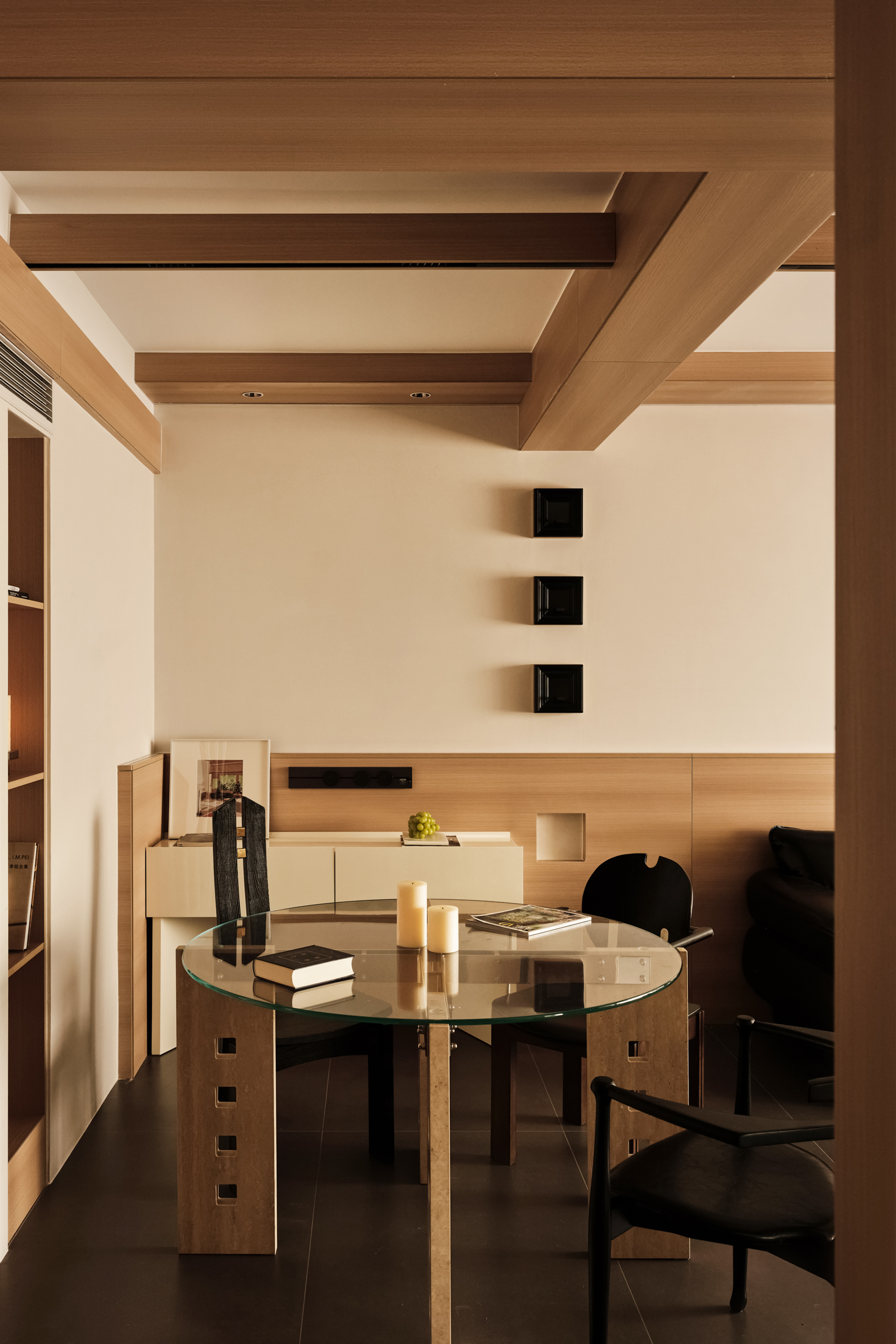
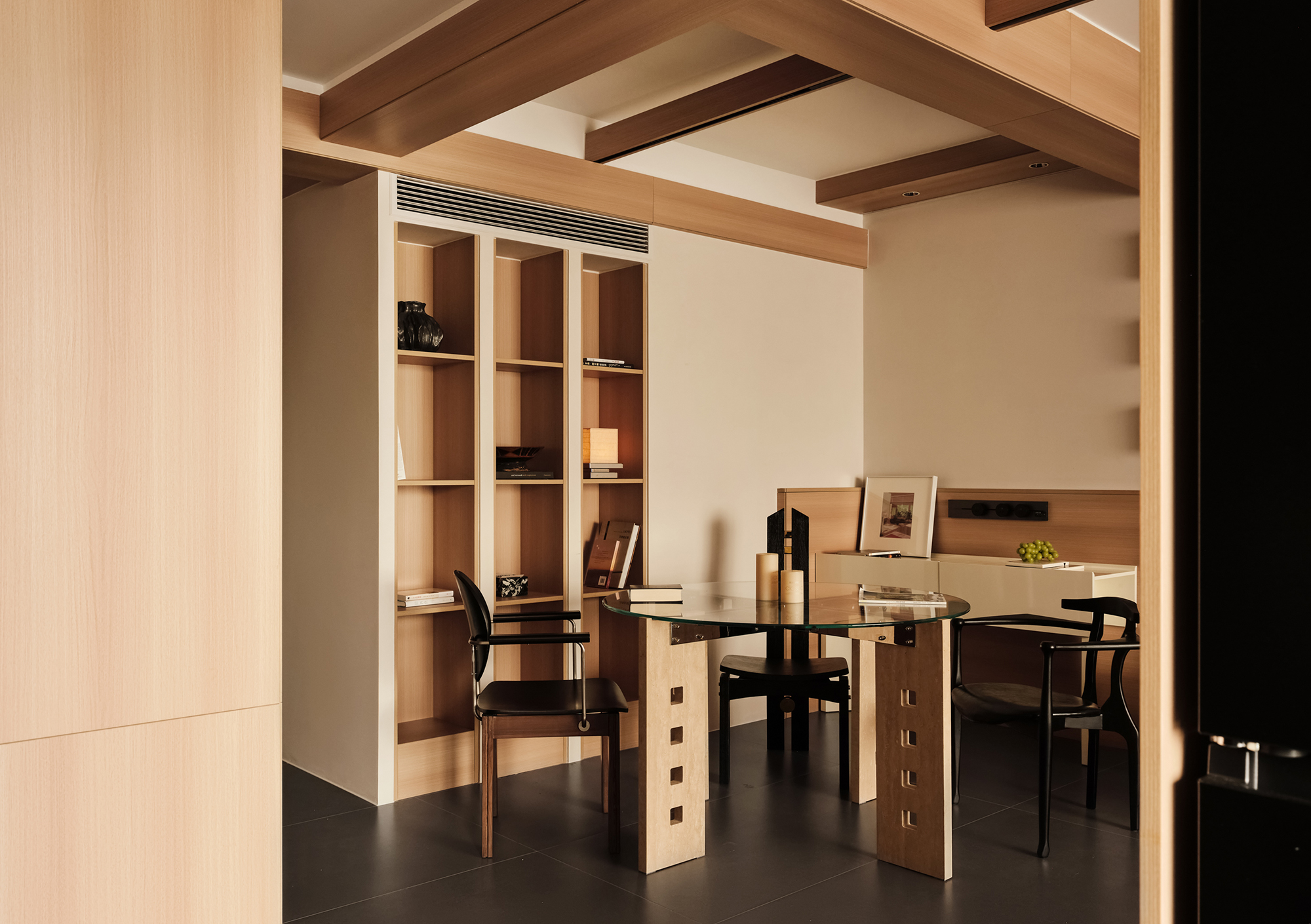
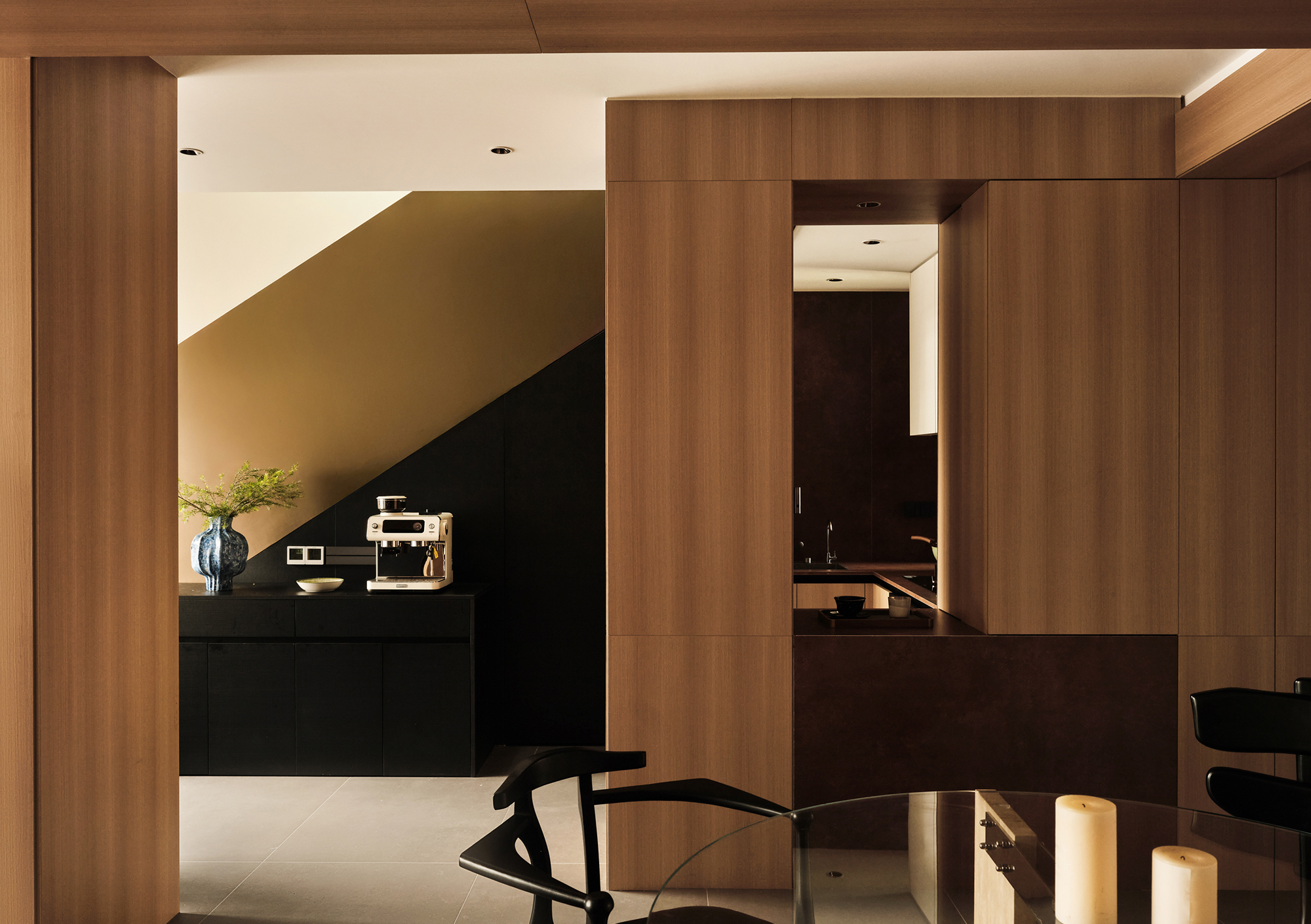
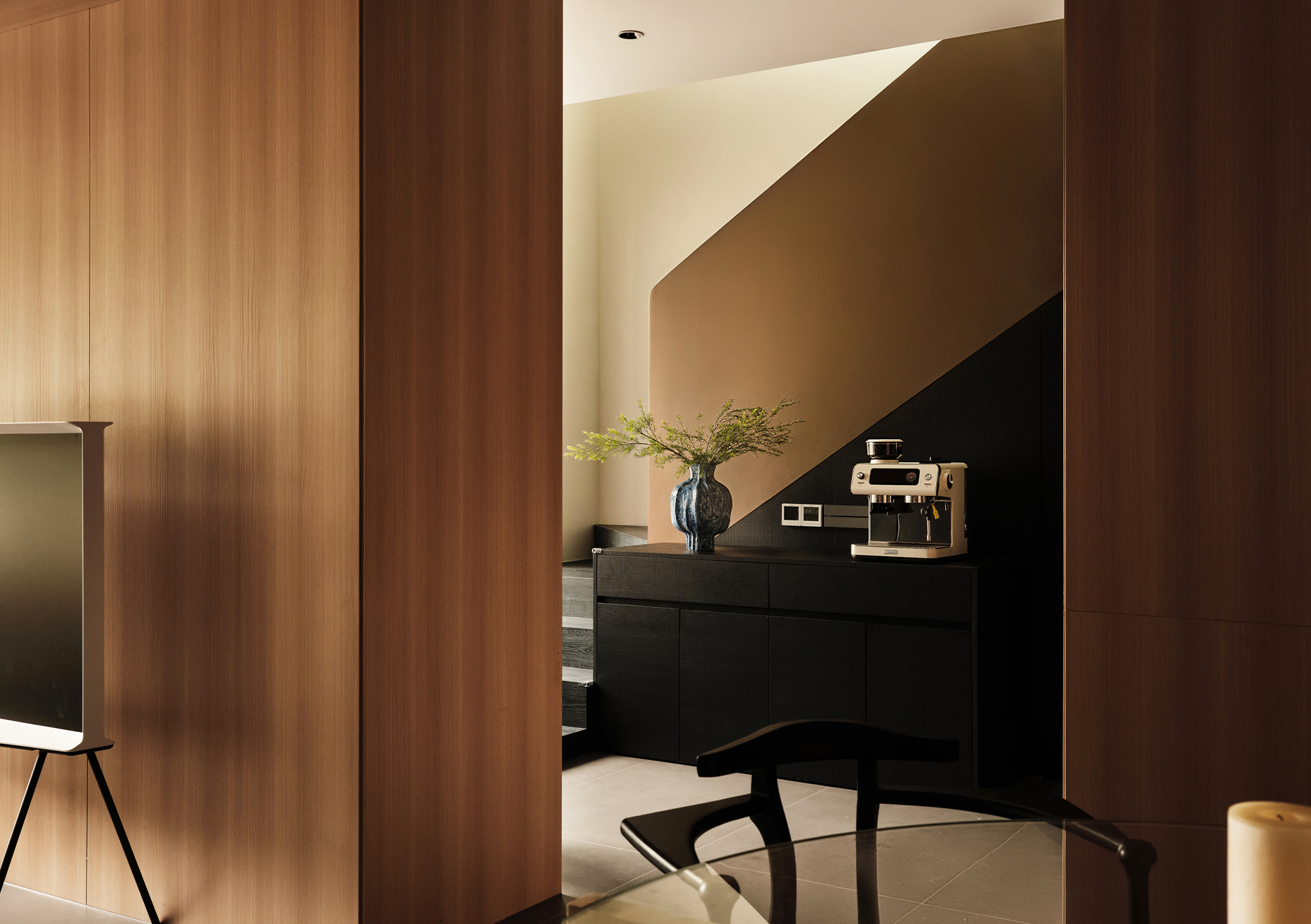
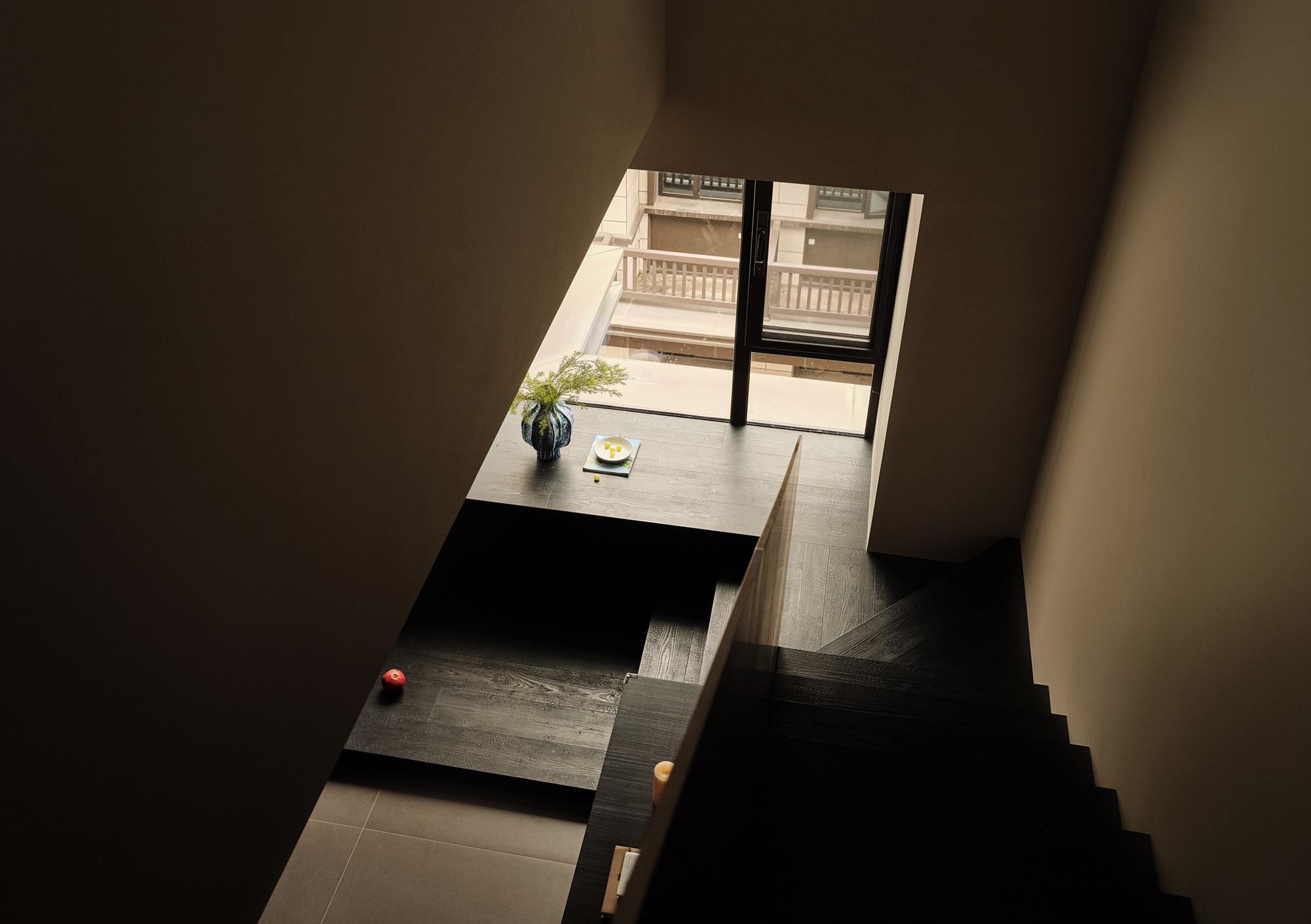
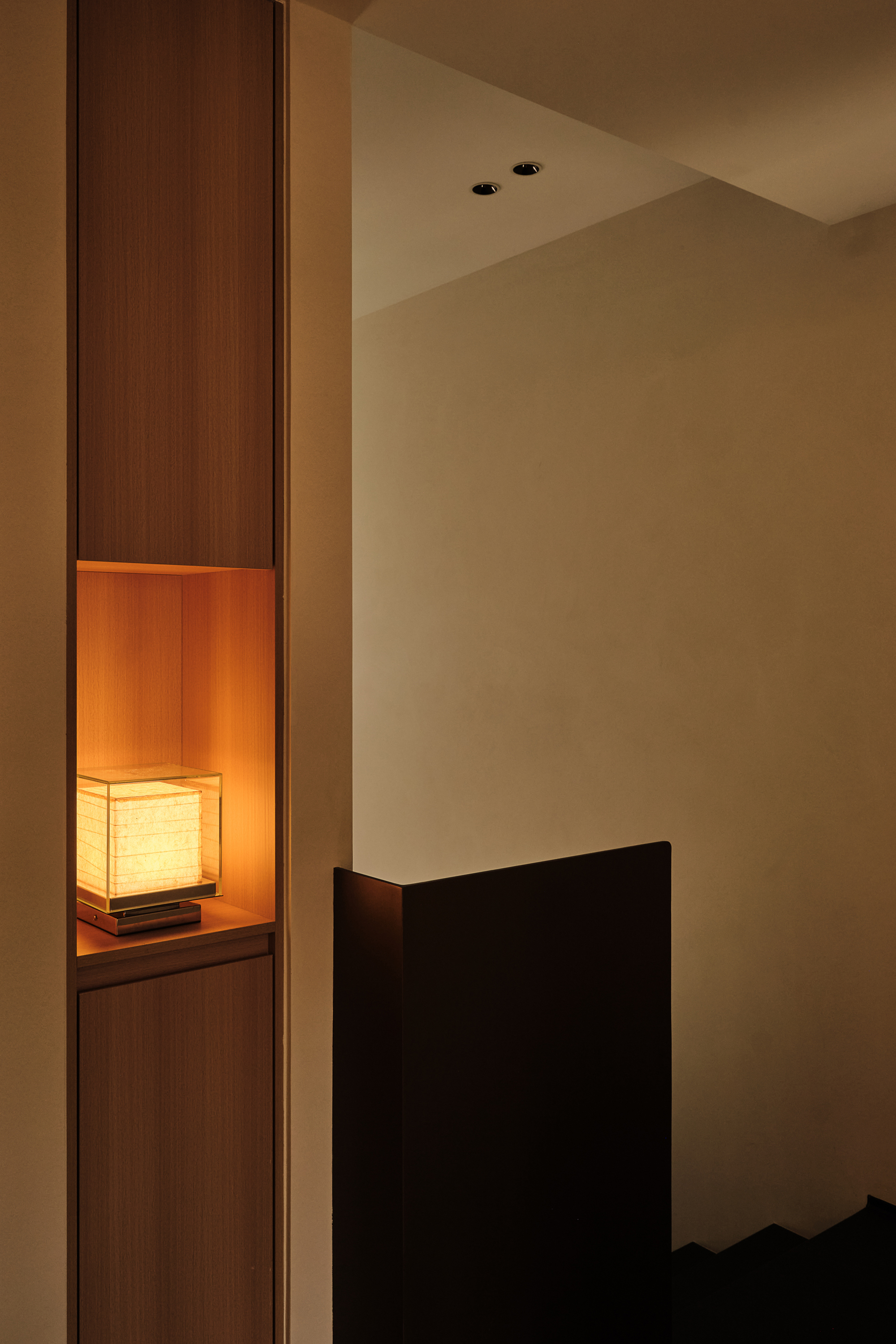
Architecture always has its “bones” – the protruding beams, the varying heights of window openings – which are not constraints but sources of inspiration for the designer. Those projecting beams were not forcibly smoothed over; instead, they were transformed into hidden storage compartments and distinctive decorative lines, allowing the structure itself to become part of the design. Light here becomes the finest designer, its shifting movement across walls and floors throughout the day adding a touch of liveliness to the space. It turns out that by not fighting against the structure and working with it, space can be both functional and poetic.
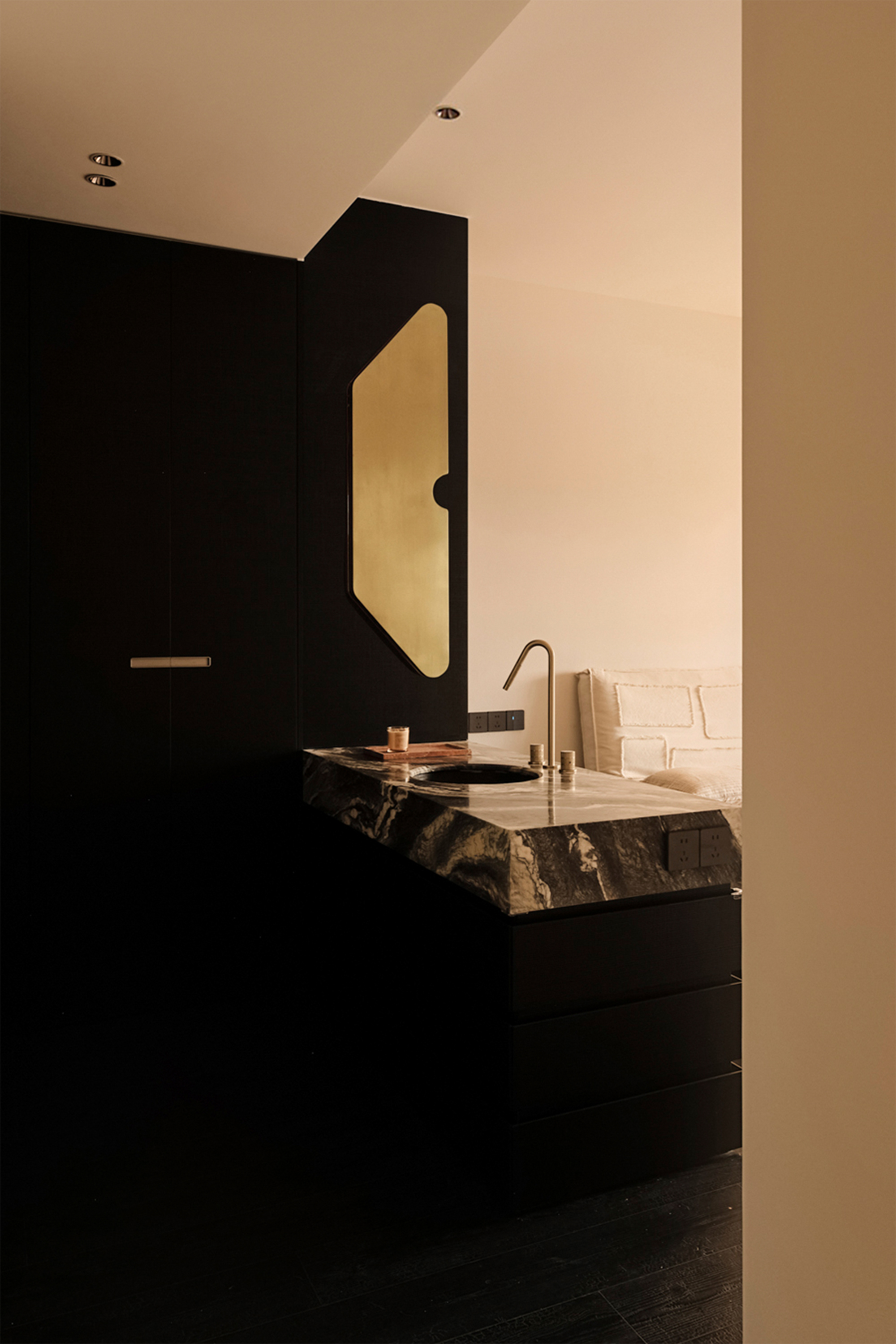
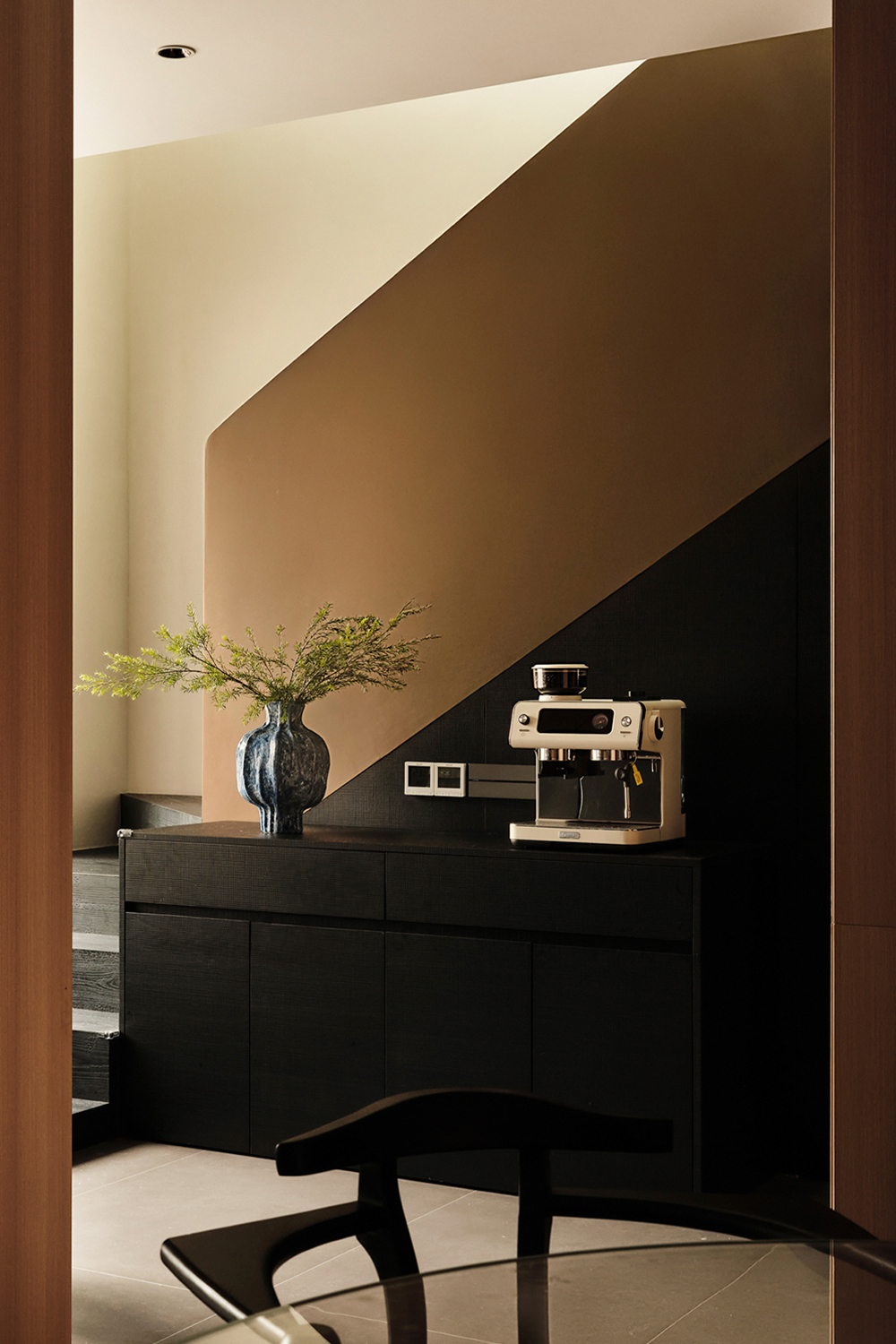
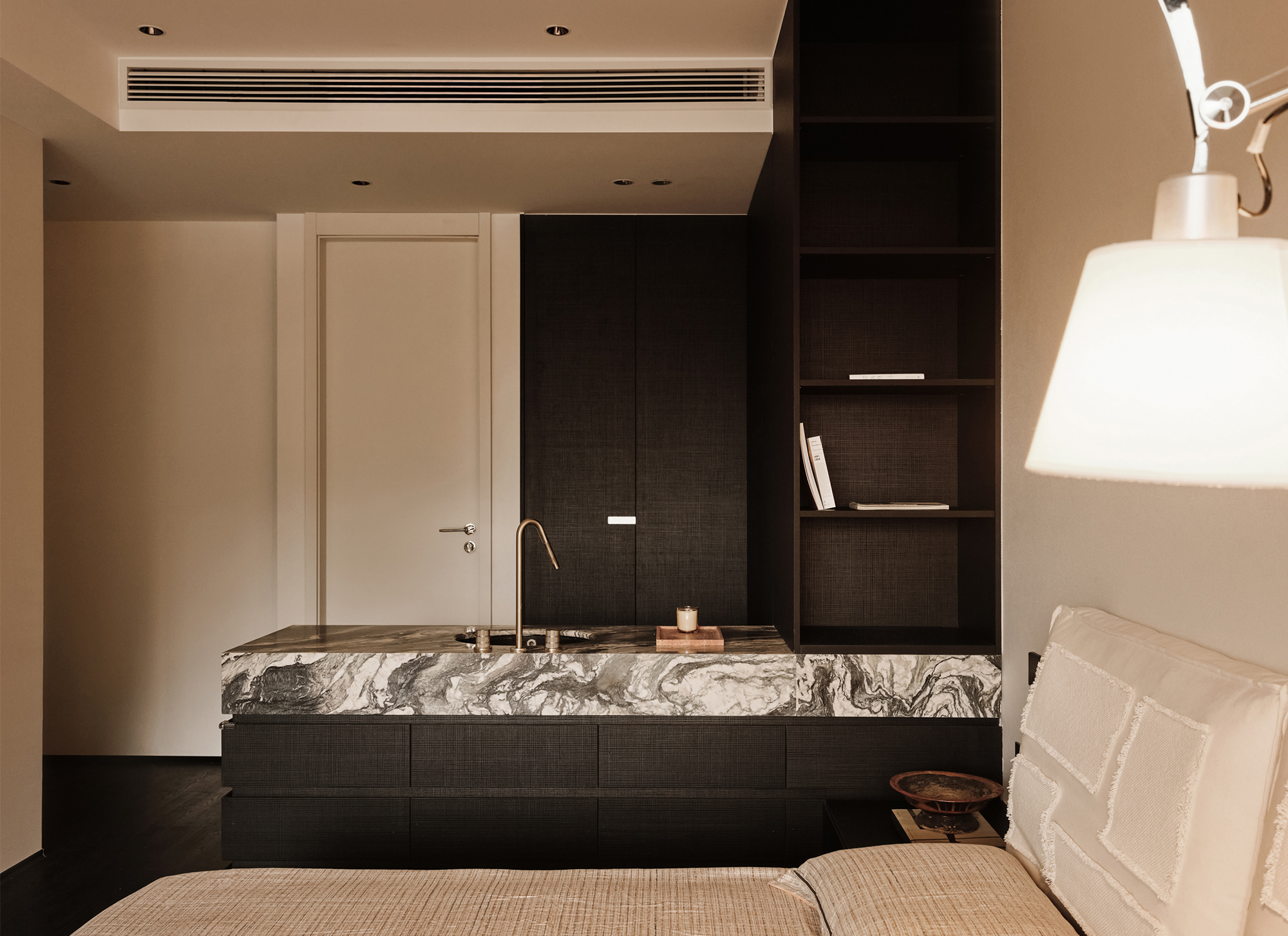
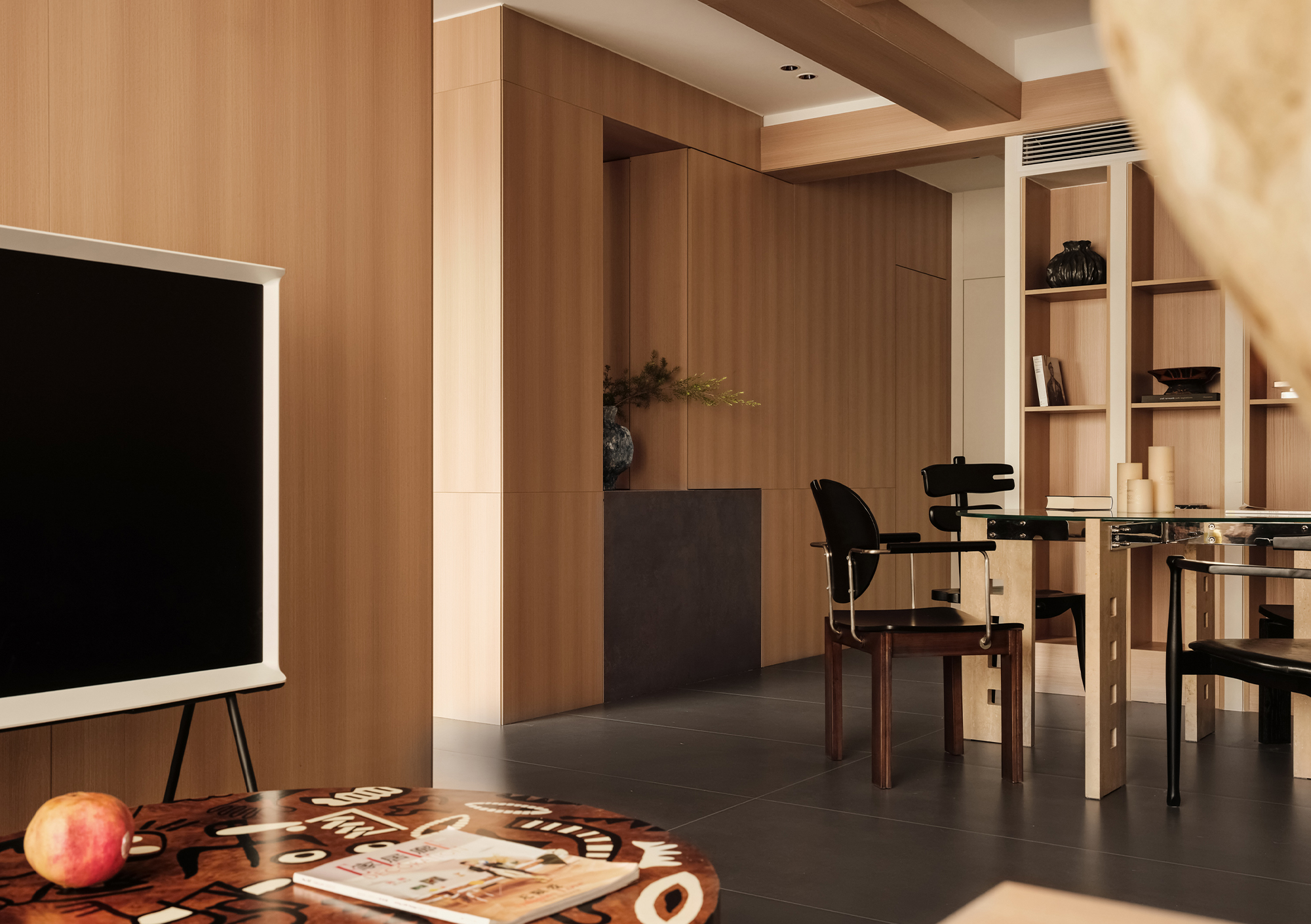
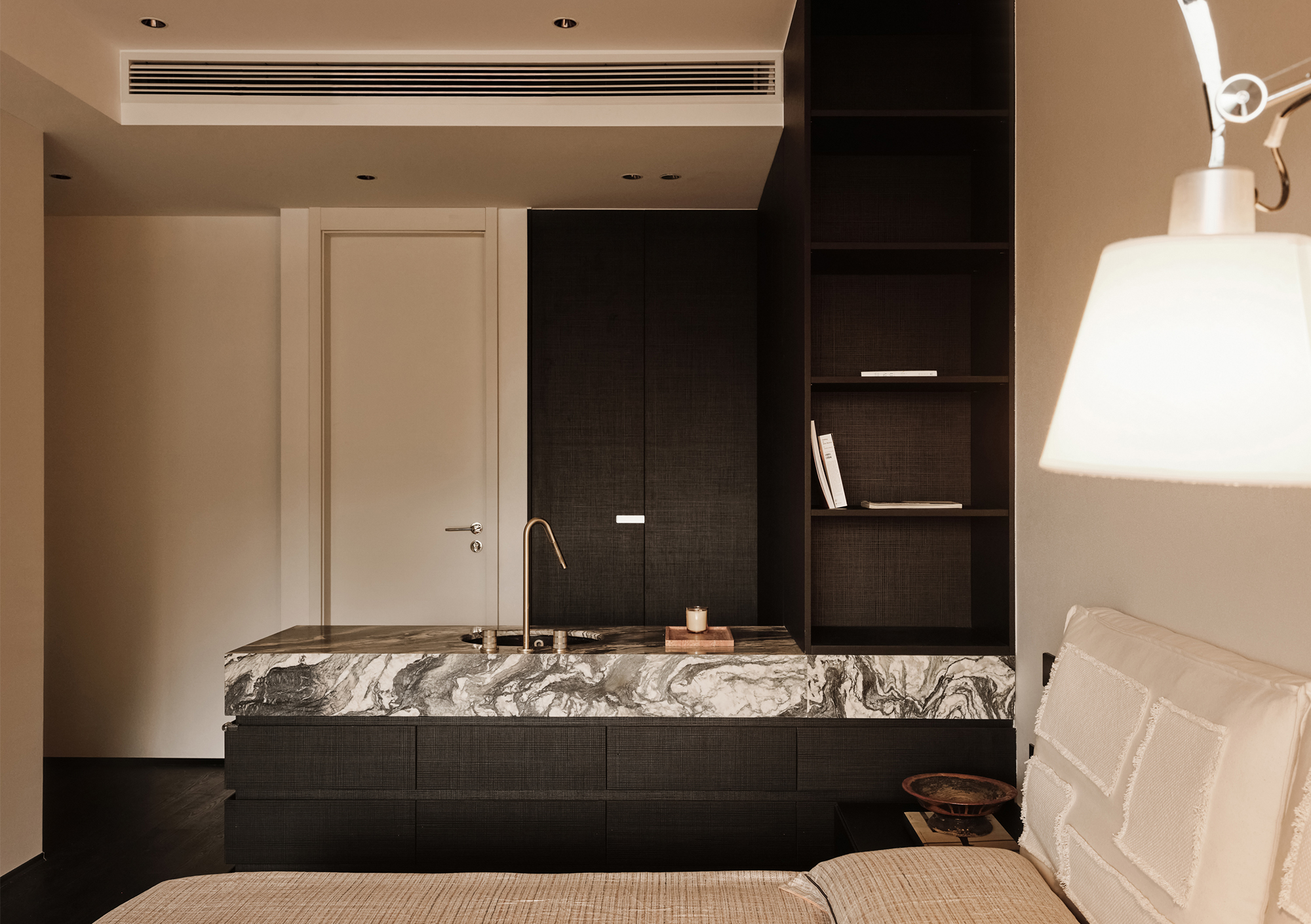
There are no complex decorative layers, only an authentic dialogue among natural materials. The warm, textured touch of charred wood flooring offers a grounded warmth under bare feet; the textured paint on the walls, with its fine granular feel, mimics the texture of the forest; locally accentuated natural stone, with its innate patterns, echoes the lake and mountains outside the window. These materials are neither flashy nor contrived; they withstand the test of time and, with the passage of days, acquire the patina of life, becoming ever more mellow. Like life itself, there is no need for deliberate polish – the naturally evolving state is the finest form.

For a designer, creating one’s own home is an inward exploration. Here, there are no constraints from commercial design, only the true yearning for life – a home is not a “showroom” but a breathing, warm, and growing dwelling. It embodies the designer’s reverence for nature, love for life, and care for family, while also interpreting the essence of dwelling – it is not about how luxurious the house is, but about finding true peace of mind here, where days can unfold slowly and scenery can be a constant companion. This residence amidst mountains and waters ultimately becomes the spiritual homeland where “the heart finds peace, there is home.”

MORE PHOTOS